
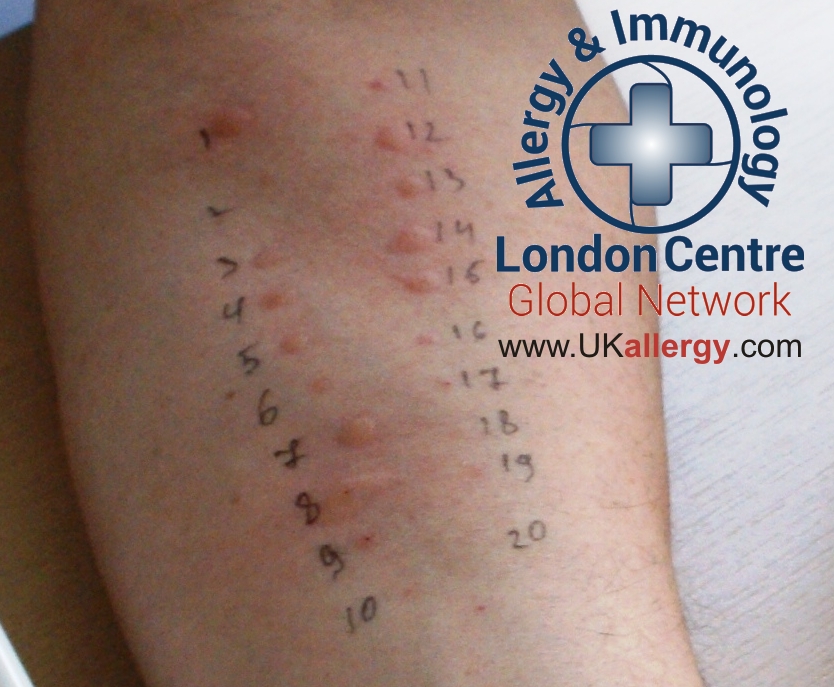
The prick test, also known as the skin prick test, is a fundamental and sometimes lifesaving tool for individuals suffering from food and respiratory allergies. For those who don’t have this condition, it may seem like an absurd joke, but for those who’ve been wondering about the cause of their allergy, especially if it’s sudden or as an adult, they know that this test is useful and comfortable.
What is a Prick Test?
The name is partly onomatopoeic, because this test involves a series of “pokes.” It’s the simplest and most widely used method, even for children over a year old, and can be performed by a healthcare professional without any contraindications. The prick test helps determine which allergens hiding in food and air are causing our problems.
How Does the Prick Test Work?
The prick test works by introducing small amounts of potential allergens to the skin, usually on the upper arm, 5 cm above the elbow and 3 cm below the wristbone. A sterile lancet is then used to poke a tiny hole in the skin, allowing the allergen molecules to penetrate the superficial layers of the skin.
The skin is allowed to dry for about 20 minutes after the poking process. To avoid confusing results, it’s best to leave at least 2.5 cm of space between tests. Positive reactions are not painful and usually consist of round puffs and itching and localized redness.
What Can Be Tested with a Prick Test?
The prick test can be used to identify allergens from various sources, including:
- Food: The prick test is commonly used to diagnose food allergies, particularly for common allergenic foods such as peanuts, tree nuts, milk, eggs, fish, shellfish, wheat, and soy.
- Inhalants: Pollen, dust mites, pet dander, mold, and other airborne allergens can be tested using the prick test.
- Medications: Certain medications, such as antibiotics or painkillers, may also trigger allergic reactions.
How Effective is the Prick Test?
The prick test has a success rate of 90% in identifying food allergies. However, its effectiveness can vary depending on several factors, including the severity and specificity of the reaction, and individual patient characteristics.
Cost of the Prick Test
The cost of the prick test can range from $50 to $100, but estimating such a broad price range is difficult. Prices vary quickly, and the cost depends on many factors, including the choice of specialist and healthcare facility. Some insurance plans may cover part or all of the costs associated with the prick test.
Who Can Undergo a Prick Test?
The prick test can be performed by individuals of all ages, but certain groups are more suitable for this type of testing:
- Children over 1 year old
- Adults with food allergies or respiratory allergies
- People who have experienced anaphylaxis due to an unknown allergen
Contraindications and Precautions
While the prick test is generally a safe procedure, there are some contraindications and precautions to consider:
- Pregnant women should avoid the prick test unless medically necessary.
- Individuals with certain skin conditions, such as eczema or psoriasis, may require special preparation and precautions.
- People taking antihistamines or other medications that suppress histamine release should wait at least 1 week before undergoing a prick test.
How is the Prick Test Performed?
The prick test involves several steps:
- Preparation: The skin is disinfected with an antiseptic solution, and a sterile lancet is used to create multiple small pricks.
- Allergen introduction: A drop of an allergen extract is placed on each prick site.
- Poking: The sterile lancet pokes the skin through the allergen extract, allowing it to penetrate the superficial layers of the skin.
- Observation: The skin is allowed to dry for about 20 minutes before being observed for signs of a reaction.
What Happens During the Prick Test?
During the prick test, several things can be observed:
- Redness and swelling at the prick site
- Itching or stinging sensations
- Small puffs (bumps) forming under the skin
The duration and intensity of these reactions can vary depending on individual factors.
What Do Results Mean?
After the prick test is complete, the results are interpreted based on the reaction observed. A positive result indicates that the individual has an allergy to a particular allergen. The degree of reaction can indicate the severity of the allergy:
- Mild reaction: small puffs and mild itching
- Moderate reaction: larger puffs and more pronounced itching
- Severe reaction: large, painful puffs and significant itching
How is Positive and Negative Results Determined?
Positive results are determined by observing the presence of a reaction at one or more prick sites. The severity of the reaction can also indicate the degree of allergy.
Negative results, on the other hand, are those where no reaction occurs at any of the prick sites.
Interpreting Prick Test Results
After performing the prick test, the healthcare professional will interpret the results based on the observed reactions. This interpretation may involve:
- Identifying specific allergens causing a reaction
- Determining the severity and intensity of the allergy
- Developing an immunotherapy plan to desensitize the individual to specific allergens
Common Allergies Identified with Prick Tests
The prick test can identify several common food allergies, including:
- Peanuts and tree nuts
- Milk
- Eggs
- Fish and shellfish
- Wheat
- Soy
Inhalant allergies, such as those related to pollen, dust mites, and pet dander, are also commonly identified using the prick test.
Prick Test on Children
From the age of one, children can undergo the prick test without problems. However, some specialists believe that results may be difficult to interpret before three years old. As we grow older, our response to allergens becomes more intense, especially when it comes to food and histamine, up to 18 years old. After that, the response remains stable until its decrease after age 70.
Prick Test for Food
In the food industry, this test is particularly useful. When there are no reliable extracts of allergens, this type of test is used: to test vegetables and fruits (raw). The skin is poked with the food, and then observed to see what happens.
Prick Test for Inhalants
The prick test is very useful in identifying inhalant allergens. It’s commonly used for pollen allergies, Graminaceae, parietaria, mold, and many other less known but treatable allergens.
What Should I Do After the Prick Test?
After undergoing a prick test, it’s essential to:
- Follow up with your healthcare professional for results interpretation
- Discuss any concerns or questions you have about your results
- Develop an immunotherapy plan if necessary
- Adhere to any prescribed treatment or medication regimens
Conclusion
The prick test is a valuable tool in identifying food and respiratory allergies. Its simplicity, safety, and effectiveness make it an essential diagnostic tool for individuals experiencing symptoms of allergy-related conditions. By understanding how the prick test works and what can be tested with it, you can better navigate the process of identifying your specific allergens and developing a treatment plan to manage your condition.
What Are Some Common Mistakes People Make When Undergoing a Prick Test?
- Not following pre-test instructions (e.g., avoiding antihistamines)
- Not waiting long enough between tests
- Misinterpreting results or symptoms
It’s essential to follow the instructions provided by the healthcare professional and to ask questions if you’re unsure about anything.
What Can I Do to Prepare for a Prick Test?
- Research the test process and what to expect
- Inform your healthcare provider of any medications, allergies, or medical conditions
- Plan ahead for follow-up appointments and results interpretation
By being prepared and informed, you can minimize any discomfort and ensure a smooth testing experience.
What Are Some Potential Complications of a Prick Test?
While the prick test is generally a safe procedure, there are some potential complications to be aware of:
- Skin reactions (e.g., redness, swelling, itching)
- Anaphylaxis (rarely)
It’s essential to discuss any concerns or questions you have with your healthcare professional before undergoing the test.
Conclusion
The prick test is a valuable tool in identifying food and respiratory allergies. Its simplicity, safety, and effectiveness make it an essential diagnostic tool for individuals experiencing symptoms of allergy-related conditions. By understanding how the prick test works and what can be tested with it, you can better navigate the process of identifying your specific allergens and developing a treatment plan to manage your condition.
What Are Some Common Questions People Have About Prick Tests?
- “Can I get a negative result if I’m allergic?”
- “How long do results take to come back?”
- “Can I still be allergic if I’ve had a positive test?”
We hope this article has answered some of these common questions and provided you with a better understanding of the prick test and its role in diagnosing food and respiratory allergies.


