
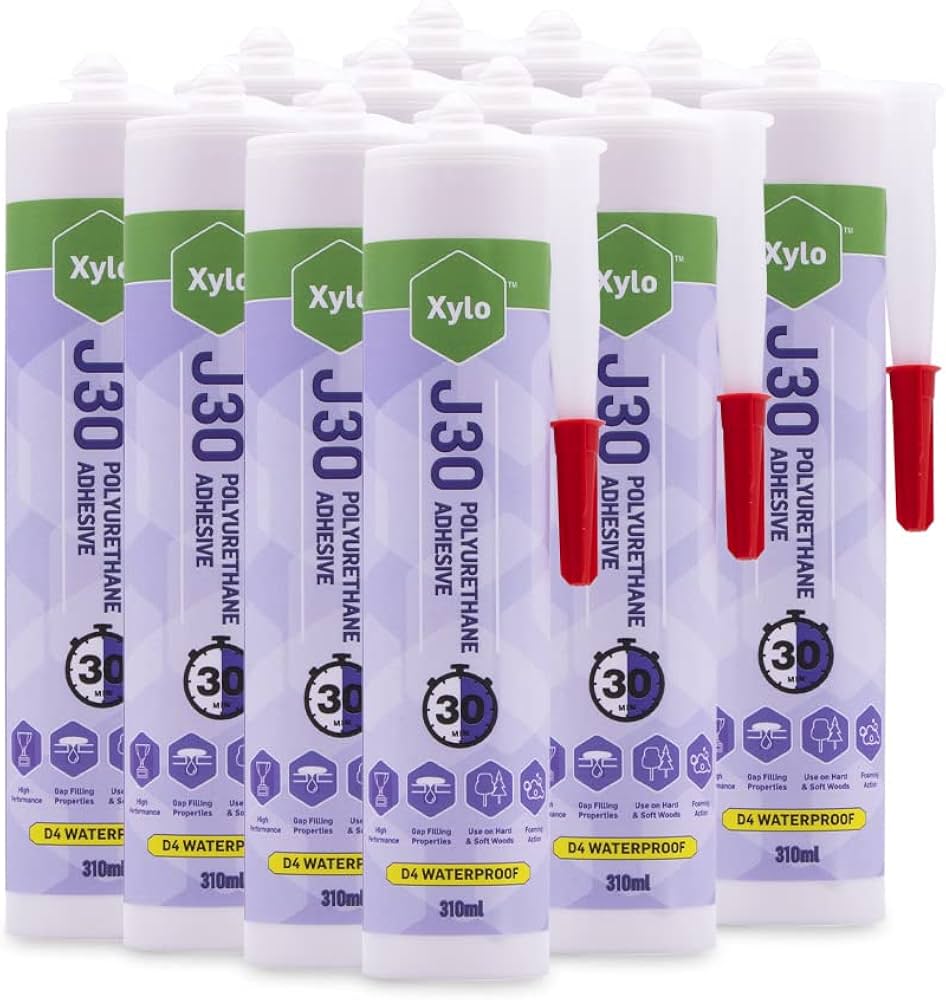
Choosing the Right Adhesive for Woodworking: Vinyl vs. Polyurethane
As a woodworker, selecting the right adhesive can be a daunting task, especially when it comes to choosing between vinyl and polyurethane adhesives. In this article, we’ll delve into the world of woodworking adhesives, exploring their benefits, drawbacks, and applications to help you make an informed decision for your next project.
Understanding Vinyl and Polyurethane Adhesives
Vinyl adhesive, also known as PUR (Polyurethane Reactive), is a popular choice among woodworkers due to its versatility and ease of use. It’s a type of polyurethane-based adhesive that reacts with moisture in the air to form a strong bond between two surfaces.
On the other hand, polyurethane adhesive is a more traditional choice for woodworking applications. It’s available in both monocomponent and bicomponent forms, with monocomponent adhesives being more commonly used in woodworking projects.
Key Differences Between Vinyl and Polyurethane Adhesives
So, what sets vinyl and polyurethane adhesives apart? Here are some key differences to consider:
- Penetration: Vinyl adhesive penetrates the wood fibers, creating a strong bond that resists warping and cracking. In contrast, polyurethane adhesive does not penetrate as deeply, resulting in a stronger surface bond but potentially weaker internal bonds.
- Shrinkage: Polyurethane adhesive shrinks significantly as it cures, which can lead to gaps between the bonded surfaces. Vinyl adhesive, on the other hand, is less prone to shrinkage.
- Elasticity: Vinyl adhesive offers a higher level of elasticity, making it suitable for projects that require flexibility and movement.
Choosing the Right Adhesive for Your Project
When deciding between vinyl and polyurethane adhesives, consider the following factors:
- Project Requirements: Consider the specific needs of your project. If you’re working with thin materials or require a strong surface bond, vinyl adhesive may be the better choice.
- Wood Type: Different types of wood respond differently to different adhesives. For example, hardwoods like oak and maple tend to work well with polyurethane adhesives, while softwoods like pine and spruce may benefit from vinyl adhesives.
- Environmental Conditions: If your project will be exposed to extreme temperatures or humidity levels, consider the adhesive’s resistance properties.
Best Practices for Using Vinyl Adhesive
To ensure optimal results when using vinyl adhesive:
- Cleanliness: Ensure both surfaces are free of debris and dust before applying the adhesive.
- Application: Apply a thin layer of adhesive to one surface, then clamp the other surface in place.
- Clamping: Use clamps or weights to apply even pressure and prevent air bubbles from forming.
Best Practices for Using Polyurethane Adhesive
To ensure optimal results when using polyurethane adhesive:
- Mixing: Follow the manufacturer’s instructions for mixing the adhesive, taking care to avoid over- or under-mixing.
- Application: Apply a thin layer of adhesive to one surface, then clamp the other surface in place.
- Curing: Allow the adhesive to cure according to the manufacturer’s instructions, which may involve heating or cooling.
Tips for Avoiding Common Mistakes
- Don’t Over-Apply Adhesive: Applying too much adhesive can lead to a weak bond and uneven drying.
- Avoid Cuts or Scrapes on Surfaces: Exposing surfaces to cuts or scrapes can compromise the integrity of the bond.
- Keep Work Areas Well-Ventilated: Working with adhesives can release fumes, so ensure good ventilation in your workspace.
Common Applications for Vinyl Adhesive
Vinyl adhesive is suitable for a wide range of woodworking applications, including:
- Wood Bonding: Vinyl adhesive is ideal for bonding wood surfaces together.
- Wood and Metal Bonding: Vinyl adhesive can be used to bond wood and metal surfaces together.
- Upholstery and Furniture Making: Vinyl adhesive is commonly used in upholstery and furniture making.
Common Applications for Polyurethane Adhesive
Polyurethane adhesive is suitable for a wide range of woodworking applications, including:
- Wood Bonding: Polyurethane adhesive is ideal for bonding wood surfaces together.
- Wood and Metal Bonding: Polyurethane adhesive can be used to bond wood and metal surfaces together.
- Marine Applications: Polyurethane adhesive is commonly used in marine applications due to its resistance to water and extreme temperatures.
Conclusion
Choosing the right adhesive for your woodworking project can be a daunting task, but by understanding the benefits and drawbacks of vinyl and polyurethane adhesives, you’ll be better equipped to make an informed decision. Remember to consider factors such as project requirements, wood type, and environmental conditions when selecting the best adhesive for your needs.
Frequently Asked Questions
- What is the difference between vinyl and polyurethane adhesives?
Vinyl adhesive penetrates the wood fibers, creating a strong bond that resists warping and cracking. Polyurethane adhesive does not penetrate as deeply, resulting in a stronger surface bond but potentially weaker internal bonds. - Which adhesive is more suitable for outdoor projects?
Vinyl adhesive is generally more suitable for outdoor projects due to its resistance to UV light and extreme temperatures. - Can I use polyurethane adhesive on softwoods?
Yes, polyurethane adhesive can be used on softwoods, but it’s essential to choose a suitable type of adhesive and follow the manufacturer’s instructions. - What is the best way to clean surfaces before applying vinyl adhesive?
Clean surfaces should be free of debris and dust. Use a vacuum cleaner or soft brush to remove any loose particles before applying the adhesive. - Can I use polyurethane adhesive on both wood and metal surfaces?
While polyurethane adhesive can be used on some metal surfaces, it’s not recommended for all types of metals. Always check the manufacturer’s instructions before using this type of adhesive on metal.
By understanding the benefits and drawbacks of vinyl and polyurethane adhesives, you’ll be better equipped to make an informed decision when selecting the right adhesive for your next woodworking project.


