
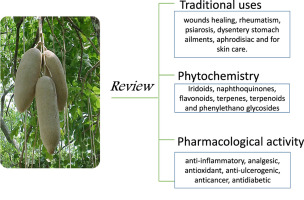
Kigelia africana, also known as the African sausage tree, is a plant native to Africa that has been used for centuries in traditional medicine and as a food source. Its unique properties and uses make it an interesting subject of study, particularly when it comes to its potential benefits for human health and beauty.
Physical Characteristics
Kigelia africana can grow up to 20 meters tall, with a smooth grey trunk that sheds its bark over time. The plant produces large, leathery fruits that can measure up to 1 meter in length and 18 cm in width, weighing up to 10 kg. These fruits are attached to the branch by strong filaments.
Growing Kigelia Africana
Growing Kigelia africana is not a straightforward process, as it requires specific climate conditions and care. The plant is commonly found in tropical regions of Africa, including Eritrea, Chad, South Africa, and Senegal. Its name originates from the Mozambican term “kigeli-kaia”, which means “sausage tree”.
Kigelia Africana as a Food Source
The fruits of Kigelia africana are edible, but only when dried, roasted, or fermented. The pulp is rich in fiber and contains many seeds, making it a nutritious food source for various animals, including monkeys, elephants, giraffes, hippos, and porcupines.
Kigelia Africana in Cosmetics
The extract of Kigelia africana is used to create creams and products that promote skin health. These products are rich in flavonoids and phytosterols, which provide antioxidant, anti-inflammatory, and moisturizing properties. They can help protect the skin from sun damage, reduce inflammation, and improve elasticity.
Kigelia Africana Oil
Kigelia africana oil is another product derived from the plant’s extract. This oil has calming, hydrating, and soothing effects on the skin, making it suitable for treating dermatitis, acne, and wounds.
Precautions and Contraindications
The fruit of Kigelia africana is toxic to humans if consumed raw. However, when dried, roasted, or fermented, it becomes safe to eat. The plant can also be used as an ornamental tree, producing colorful flowers that are attractive to wildlife.
Traditional Medicine and Folk Remedies
In traditional African medicine, Kigelia africana is used to treat various ailments, including arthritis, snake bites, syphilis, and even malevolent spirits. The fruit is also used to make a fermented beverage similar to beer.
Where to Find Kigelia Africana Products
Due to the plant’s rarity, it can be difficult to find Kigelia africana products in stores. However, they are available online on platforms like Amazon, where you can find products such as this rassodante crema per il seno da 29 euro/100 ml con acqua termale di Ischia.
Conclusion
Kigelia africana is a fascinating plant with unique properties and uses that have been passed down through generations in traditional medicine and food culture. Its potential benefits for skin health and beauty are undeniable, but it’s essential to approach its use with caution and respect for its potency.
FAQs
- Q: Is Kigelia africana safe to eat?
- A: No, the fruit is toxic to humans if consumed raw. However, when dried, roasted, or fermented, it becomes safe to eat.
- Q: Can I grow Kigelia africana at home?
- A: Yes, but it requires specific climate conditions and care.
- Q: What are the potential benefits of using Kigelia africana products for skin health?
- A: These products can provide antioxidant, anti-inflammatory, and moisturizing properties, helping to protect the skin from sun damage and improve elasticity.
- Q: Can I use Kigelia africana oil as a substitute for other oils?
- A: No, it’s recommended to consult with a healthcare professional before using any new skincare product.
- Q: Is Kigelia africana a suitable tree to plant in my garden?
- A: Yes, it can be used as an ornamental tree, producing colorful flowers that attract wildlife.
Research and Studies
There have been several studies conducted on the properties of Kigelia africana. One study published in the Journal of Ethnopharmacology found that the plant’s extract had anti-inflammatory and antioxidant effects on human skin cells. Another study published in the Journal of Cosmetics, Dermatological Sciences and Applications found that Kigelia africana oil had a significant impact on reducing inflammation and improving wound healing.
Cultivation and Harvesting
Kigelia africana is typically harvested when the fruit is ripe and dry. The fruits can be dried using various methods, such as sun drying or oven drying, to preserve their nutritional value. The leaves of the plant are also used for medicinal purposes, particularly in traditional African medicine.
Traditional Uses of Kigelia Africana
Kigelia africana has been used in traditional medicine and food culture for centuries. In some parts of Africa, the fruit is used as a treatment for various ailments, including arthritis, snake bites, and syphilis. The plant’s extract is also used to make a fermented beverage similar to beer.
Conservation Status
Kigelia africana is listed as a species of “Least Concern” on the International Union for Conservation of Nature (IUCN) Red List. However, its habitats are threatened by deforestation and habitat loss, which can impact the plant’s population and distribution.
Potential Risks and Side Effects
While Kigelia africana has been used for centuries in traditional medicine and food culture, there have been reports of potential risks and side effects associated with its use. These include gastrointestinal upset, allergic reactions, and interactions with other medications. It’s essential to approach the use of Kigelia africana products with caution and respect for their potency.
Conclusion
Kigelia africana is a fascinating plant with unique properties and uses that have been passed down through generations in traditional medicine and food culture. Its potential benefits for skin health and beauty are undeniable, but it’s essential to approach its use with caution and respect for its potency. Further research is needed to fully understand the properties of Kigelia africana and its potential benefits for human health.


