
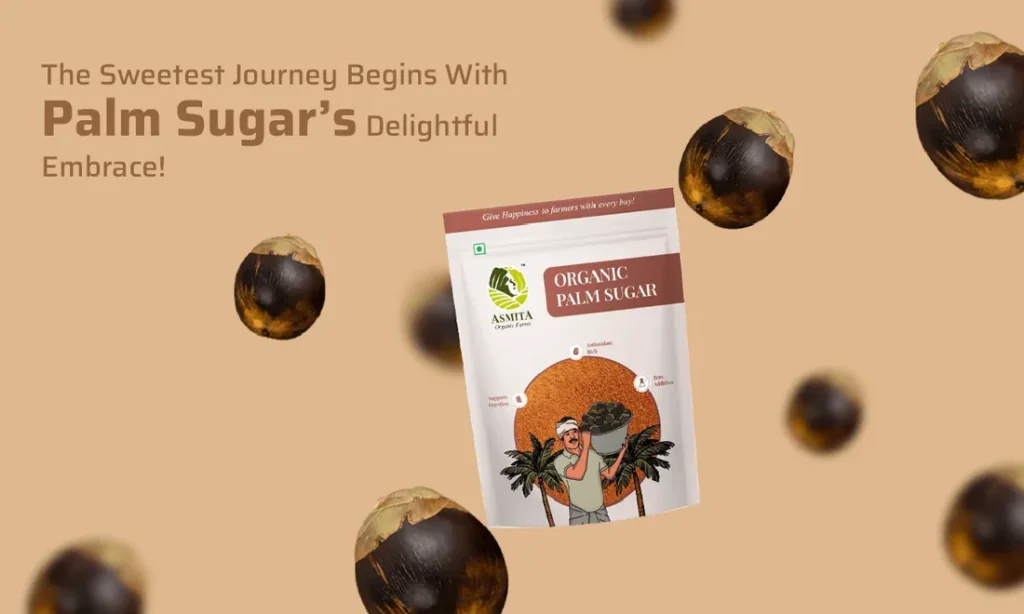
The Ultimate Guide to Palm Sugar: Its Characteristics, Benefits, and Uses
In the vast world of natural sweeteners, palm sugar has gained immense popularity as a sought-after alternative to refined sugar. This product, extracted from the sap of palm trees, boasts an astonishingly rich nutritional profile and a unique taste that makes it an ideal companion in cooking.
This article will delve into its origin, production process, health benefits, substitutes, sustainability, industrial uses, and provide some delicious recipe suggestions.
Contents
- Origin of Palm Sugar
-
Characteristics of Palm Sugar
- 2.1 Taste
- 2.2 Nutrient Content
- 2.3 Glycemic Index
- 2.4 Sustainability
- 2.5 Uses
-
Production Process of Palm Sugar
- Health Benefits and Uses of Palm Sugar
- Substitutes for Palm Sugar and Comparison with Other Sweeteners
- Considerations on the Sustainability of Palm Sugar Industry
- Industrial Use of Palm Sugar
-
Recipe Ideas Using Palm Sugar
- 8.1 Pad Thai Recipe
-
Health Considerations When Consuming Palm Sugar
-
Conclusion
-
Frequently Asked Questions (FAQs)
Origins of Palm Sugar
Palm sugar originates from various species of palm trees, including coconut palms and date palms, cultivated predominantly in Asia and Africa. The palm trees are incised to extract their sap, which is then boiled down to form palm sugar. This natural sweetener has deep roots in indigenous cultures of these continents, where it was used not only as a sweetener but also as traditional medicine.
The widespread popularity of palm sugar in the Western world can be attributed, at least in part, to the growing demand for natural alternatives to refined sugar. However, this is not a new development, as palm sugar has been around for thousands of years, even dating back to ancient civilizations in Southeast Asia where it was used to sweeten foods and beverages.
Characteristics of Palm Sugar
Here are the key characteristics of palm sugar:
Taste
Palm sugar has a rich, caramel-like taste, similar to that of unrefined cane sugar but with a hint of wood or vanilla flavor.
Nutrient Content
Unlike refined white sugar, palm sugar contains traces of minerals and vitamins, including potassium, zinc, iron, and the B vitamins group.
Glycemic Index
Palm sugar has a lower glycemic index compared to refined sugar, meaning it can cause a slower and more balanced increase in blood sugar levels, thus avoiding sharp spikes.
Sustainability
The production of palm sugar is generally considered more sustainable than that of other types of sugar, as the trees from which it comes produce sugar for over 20 years and use fewer water resources.
Uses
Palm sugar can be used as a substitute for refined sugar in many recipes, particularly those of Asian cuisine. However, it should still be consumed with moderation due to its high calorie content.
Production Process of Palm Sugar
The process of producing palm sugar begins with the incision of fiori from the palm trees. The sap or juice is then collected and boiled down for several hours, during which time water evaporates and the sugar concentration increases.
Once the sap reaches a syrupy consistency, it is left to cool and solidify into a brownish-colored natural sweetener that can be sold in various forms such as blocks, granules, or scirup.
Health Benefits and Uses of Palm Sugar
Palm sugar is rich in various minerals and vitamins, including potassium, magnesium, zinc, iron, and the B vitamins group. This makes it a more nutritious alternative to refined white sugar.
Unlike refined sugar, palm sugar has a lower glycemic index, which means that consuming it will not cause sudden spikes in blood sugar levels.
Palm sugar can be used in various ways in cooking:
- Dolce and Desserts: It adds a rich flavor profile and can enhance the taste of desserts.
- Beverages and Soft Drinks: Adding palm sugar to beverages or soft drinks gives them a unique, sweeter taste without overpowering other flavors.
Substitutes for Palm Sugar and Comparison with Other Sweeteners
While palm sugar offers several health benefits over refined sugars, there are some natural sweeteners that may be considered suitable substitutes in certain contexts:
- Coconut Sugar: Has less minerals but is considered a more accessible and affordable alternative.
- Molasses: Richer in iron than refined sugar but has a stronger flavor.
However, each of these alternatives has its own set of nutritional profiles and health considerations. For example, coconut sugar is less mineral-rich compared to palm sugar but may be easier on the budget for some consumers.
Considerations on the Sustainability of Palm Sugar Industry
As demand for palm sugar grows, it’s crucial to assess the environmental impact of its production. The process of extracting sap from palm trees isn’t inherently destructive; however, deforestation for making space for palm plantations can devastate local ecosystems.
To mitigate this issue, look for certified sustainable palm products. Organizations like Rainforest Alliance help ensure that sugar is produced in an environmentally and socially responsible manner.
Industrial Use of Palm Sugar
In the food industry, palm sugar serves as a preferred sweetener:
- Baked Goods: Enhances flavor without overpowering other ingredients.
- Soft Drinks: Adds sweetness to beverages without raising blood sugar levels.
- Food Sauces: Sweetens sauces naturally.
It is also valued for its natural preservative properties and can be used in food products that require long-lasting freshness, such as marmalades and jams.
Recipe Ideas Using Palm Sugar
Palm sugar offers flexibility in cooking:
-
Pad Thai Recipe
- Ingredients: Noodles of rice, tofu, vegetable oil, garlic, onion, chili pepper, eggs, soybeans, cucumber slices, peanuts, lime slices.
- Instructions:
- Cook noodles, scramble tofu and mix with ingredients and seasonings to taste, assemble the dish by combining all elements. Serve as a garnish with additional lime slice and peanuts if desired.
-
Desserts
- Examples include desserts like cakes, cookies, and puddings.
-
Beverages: Add palm sugar directly into tea or coffee for added sweetness without overpowering the taste.
-
Soft Drinks
- Consider adding a touch of palm sugar to your homemade soda recipes.
Health Considerations When Consuming Palm Sugar
While palm sugar is considered more nutritious than refined white sugar, it should still be consumed in moderation due to its high calorie content.
Consumption of excessive amounts can contribute to problems like obesity, diabetes, and heart disease. Some individuals may also experience allergic reactions or intolerance after consuming palm sugar.
Conclusion
In conclusion, palm sugar offers a rich taste profile compared to refined white sugar while providing several health benefits. It’s versatile in cooking and can be used as an alternative sweetener. When choosing palm sugar for consumption, consider factors like sustainability of its production process and moderation in usage due to high calorie content.
Frequently Asked Questions (FAQs)
- What is Palm Sugar?
- Palm sugar is a natural sweetener extracted from the sap of palm trees.
- Is Palm Sugar Better for Health Than Refined Sugar?
- Yes, due to its lower glycemic index and richer nutrient profile compared to refined white sugar.
- What are Some Common Uses of Palm Sugar in Cooking?
- It can be used as a sweetener in various dishes like desserts, beverages, soft drinks, and even some savory recipes.
- Is Palm Sugar Sustainable?
- The production process is generally considered more sustainable than that of other types of sugar; however, deforestation for making space for palm plantations poses an environmental concern.
- Can People with Allergies or Intolerances Eat Palm Sugar?
- Some individuals may experience allergic reactions or intolerance after consuming palm sugar. It’s advisable to consult a healthcare professional before incorporating it into your diet if you suspect any such condition.
**Matteo Di Felice, Imprenditore e Managing Director di IdeeGreen.it, Istruttore di corsa RunTrainer e Mental Coach CSEN certificato, Istruttore Divulgativo Federazione Scacchi Italiana e appassionato di Sostenibilità


