
Introduction
Wild chicory, a perennial herb native to Asia and Europe, has been a staple in many cuisines for centuries. This versatile plant is not only used as a food ingredient but also possesses medicinal properties that have been utilized by various cultures throughout history. In this article, we will delve into the world of wild chicory, exploring its uses, benefits, and cultivation.
Where to Find Wild Chicory
Wild chicory grows in dry areas, often found on the edges of roads, along fences, and in untended fields. Its distinct appearance, with a large taproot, rough stems, and frayed leaves, sets it apart from domesticated varieties. The plant’s unique flavor profile, characterized by an intense bitterness, makes it an ideal ingredient for various recipes.
Identifying Wild Chicory
To identify wild chicory, look for the following characteristics:
- Large taproot with a fleshy base
- Rough stems and leaves with a fern-like appearance
- Blue or purple flowers that bloom from July to September
When harvesting wild chicory, consider the plant’s purpose: use its roots in autumn, its leaves and flowers in early summer, and its seeds at the end of summer.
Using Wild Chicory in Cooking
Wild chicory is a prized ingredient in many cuisines, particularly in Italian, Greek, Turkish, and Middle Eastern cooking. Here are some ways to incorporate wild chicory into your recipes:
- Use its roots to make a dark-roasted coffee substitute
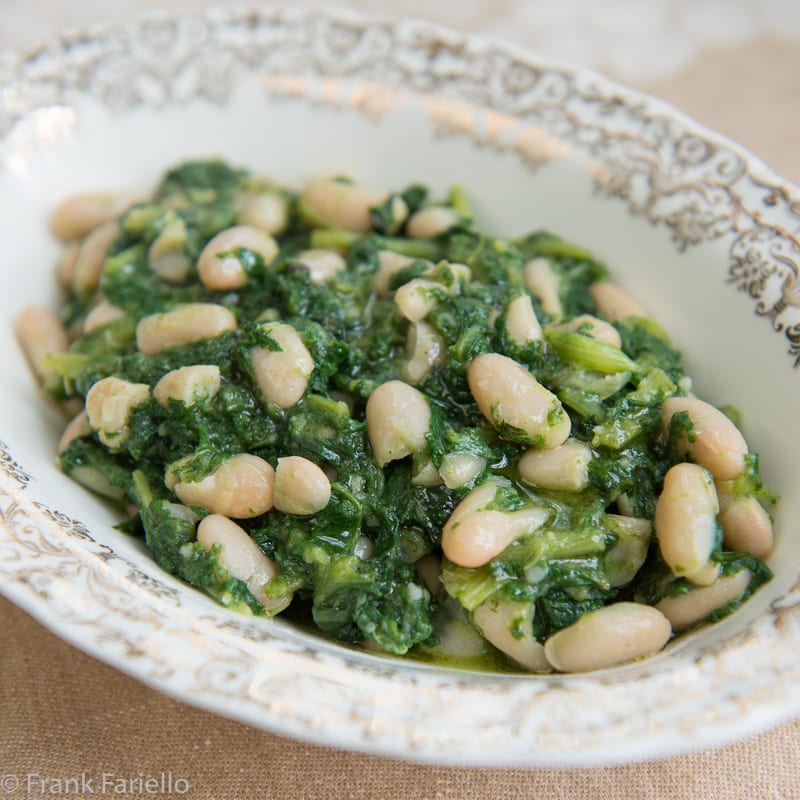
- Sauté its leaves with garlic and oil as a base for salads or as a topping for pizzas
- Add its leaves to risottos or other grain dishes for added flavor
- Mix its seeds with olive oil and vinegar for a delicious salad dressing
Wild chicory is also used in various traditional dishes, such as:
- Greek salad: A classic Greek salad typically includes wild chicory, tomatoes, cucumbers, red onion, feta cheese, and olives.
- Italian risotto: Wild chicory adds a unique flavor to Italian risottos, particularly those made with mushrooms or asparagus.
- Turkish kebabs: Wild chicory is often used in Turkish kebabs, adding a tangy flavor to the meat.
The Medicinal Properties of Wild Chicory
Wild chicory has been used in traditional medicine for centuries, particularly for digestive issues and liver problems. Its roots, leaves, flowers, and seeds can be prepared as infusions or decoctions to reap their medicinal benefits.
- Infuse wild chicory roots with water to make a tea that supports liver function
- Use its leaves and flowers to create an anti-inflammatory salve for skin conditions like eczema or acne
- Consume its seeds in moderation, as they are high in fiber and may cause digestive issues
Wild chicory has been used to treat various health conditions, including:
- Digestive problems: Wild chicory tea can help alleviate symptoms of irritable bowel syndrome (IBS), constipation, and other digestive issues.
- Liver problems: The liver-protecting properties of wild chicory make it an effective remedy for liver diseases such as cirrhosis or hepatitis.
- Skin conditions: The anti-inflammatory properties of wild chicory can help soothe skin conditions like eczema, acne, and psoriasis.
Nutritional Value of Wild Chicory
Wild chicory is an excellent source of vitamins A, C, and K, as well as minerals like calcium, iron, and potassium. One 100-gram serving provides only 23 calories, making it a nutritious addition to your diet.
- Rich in antioxidants, which help combat free radicals
- High in fiber, supporting digestive health
Wild chicory is also rich in various phytochemicals, including:
- Saponins: Wild chicory contains saponins, natural compounds that have been shown to have anti-inflammatory and antiviral properties.
- Flavonoids: The flavonoid content of wild chicory can help protect against oxidative stress and inflammation.
Cultivating Wild Chicory
Growing wild chicory is relatively easy, as it thrives in temperate climates. Here are some tips for cultivating this versatile plant:
- Sow seeds indoors 4-6 weeks before the last frost date
- Transplant seedlings outdoors when temperatures reach 20-25°C (68-77°F)
- Harvest roots in autumn, leaves and flowers in early summer, and seeds at the end of summer
Wild chicory is a hardy perennial that can tolerate various soil types and climates. However, it prefers well-drained soil and full sun to partial shade.
Where to Find Wild Chicory Seeds
Wild chicory seeds are not widely available in commercial markets. However, you can find them online through reputable suppliers or consignment services.
- Buy high-germination-rate seeds from Amazon
- Purchase seeds specifically bred for cultivation
Some popular places to buy wild chicory seeds include:
- Seed companies: Companies like Baker Creek Heirloom Seeds and Botanical Interests offer a wide range of wild chicory seeds.
- Online marketplaces: Online marketplaces like eBay and Etsy often feature sellers offering wild chicory seeds.
- Consignment services: Consignment services like Seed Savers Exchange and Wildflower Farm offer wild chicory seeds for sale.
Challenges in Cultivating Wild Chicory
While cultivating wild chicory is relatively easy, there are some challenges to consider:
- Weeds: Wild chicory can be prone to weed competition, particularly if not properly maintained.
- Pests: Pests like aphids and whiteflies may infest wild chicory plants, requiring pesticide treatment.
- Diseases: Wild chicory is susceptible to diseases like powdery mildew and root rot.
To mitigate these challenges, it’s essential to:
- Provide proper care: Ensure your wild chicory plants receive adequate water, sunlight, and nutrients.
- Monitor for pests and diseases: Regularly inspect your plants for signs of infestation or infection.
- Use integrated pest management (IPM) techniques: IPM involves using a combination of methods, such as crop rotation and biological control, to manage pests and diseases.
Conclusion
Wild chicory is a multifaceted plant that offers numerous benefits beyond its culinary uses. Its medicinal properties and nutritional value make it an excellent addition to your diet. By understanding how to identify, cultivate, and use wild chicory, you can unlock the secrets of this ancient herb.
Whether you’re a seasoned gardener or just starting out, wild chicory is a versatile plant that can add depth and complexity to your cooking and healing practices. With its rich history and numerous health benefits, it’s no wonder why wild chicory has remained a staple in many cuisines for centuries.


