
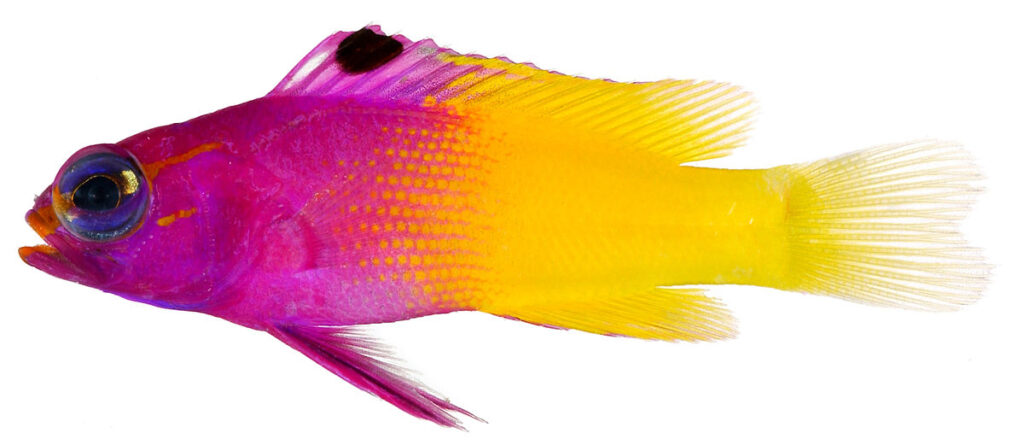
When it comes to keeping small marine fish in aquariums, many enthusiasts find themselves confused between two species that share similarities but have distinct differences. In this article, we will delve into the world of Gramma loreto and explore its unique characteristics, habitat requirements, and care instructions to help you decide if it’s the right addition for your aquarium.
Understanding the Difference between Gramma Loreto and Pseudochromis Paccagnella
When considering the purchase of a small marine fish, it’s essential to understand the differences between various species. In this case, we’ll be focusing on two closely related species: Gramma loreto and Pseudochromis paccagnellae.
- Color Pattern: The most notable difference is in the color pattern. Gramma loreto has a bright purple hue on its belly, which fades into a vibrant yellow towards the back of the body.
- Pin Fin Visibility: A simple yet effective way to distinguish between the two species is by observing the visibility of their pin fins. Gramma loreto retains colored pin fins, whereas Pseudochromis paccagnellae boasts transparent pin fins.
Gramma Loreto: A Comprehensive Guide
Now that we’ve addressed the differences between these two species, let’s dive deeper into the world of Gramma loreto.
Habitat and Distribution
Native to the western Atlantic Ocean, specifically in Bermuda, Bahamas, Central America, and South America. Gramma loreto is typically found in coastal areas, particularly near coral reefs where it inhabits crevices and caves.
- Habitat Requirements: To replicate its natural habitat, aquarium owners should aim to create a reef-like environment with plenty of hiding places for their fish.
- Water Conditions: These small marine fish thrive in well-maintained water conditions with temperatures between 72°F and 82°F (22°C and 28°C).
Size and Growth
Gramma loreto is a relatively small species, reaching an average length of 8 cm (3.1 inches). In the wild, these fish can live up to 10-15 years.
- Size and Sex: Due to their similar size and sex characteristics, distinguishing between male and female Gramma loreto can be challenging.
- Growth Rate: These small marine fish grow rapidly, reaching maturity in approximately 2-3 months.
Feeding and Nutrition
Gramma loreto is a carnivorous species that feeds on zooplankton in the wild. In aquarium settings, they require a balanced diet that includes a variety of protein sources such as brine shrimp, mysis shrimp, and small crustaceans.
- Feeding Frequency: To ensure optimal health, feed Gramma loreto 2-3 times daily with finely chopped meaty foods.
- Variety is Key: Rotate your fish’s diet regularly to prevent boredom and maintain their overall well-being.
Reproduction and Breeding
Gramma loreto is a species that exhibits complex reproductive behaviors. In the wild, males prepare nesting sites by cleaning areas of algae residue. Females then lay eggs between 20-100 units, which hatch after 5-7 days.
- Breeding and Egg Care: Aquarium owners should ensure their fish have ample space to breed without overcrowding.
- Egg Hatching: Monitor your tank regularly for signs of hatching, as these small marine fish are vulnerable to predators during this stage.
Conclusion
Gramma loreto is a captivating species that has captured the hearts of many marine aquarium enthusiasts. By understanding their unique characteristics, habitat requirements, and care instructions, you can create an ideal environment for these fascinating creatures to thrive. With proper attention, dedication, and patience, you’ll be rewarded with a mesmerizing display of vibrant colors and playful behavior.
Frequently Asked Questions
- What is the recommended tank size for Gramma loreto?
A minimum tank size of 250 liters (66.14 gallons) is recommended to accommodate their social nature. - Can I keep Gramma loreto with other fish species?
Due to their peaceful nature, Gramma loreto can be kept in community tanks, but they should not be paired with damselfishes or aggressive species like Pseudochromis paccagnellae. - What type of food should I feed my Gramma loreto?
A varied diet that includes a mix of meaty foods, such as brine shrimp and small crustaceans, will keep your fish healthy and thriving.


