
In the vast world of honey, there exists a special type that stands out from the rest – Manuka honey. With its unique properties and benefits, it has gained popularity among health enthusiasts and scientists alike. But what makes Manuka honey so special? Let’s dive into the world of this incredible sweetener.
What is Manuka Honey?
Manuka honey is produced by bees that feed on the nectar of Manuka trees (Leptospermum scoparum), native to New Zealand. These trees are also found in parts of Australia, but the unique properties of Manuka honey come from its distinct geographical origin.
The Unique Properties of Manuka Honey
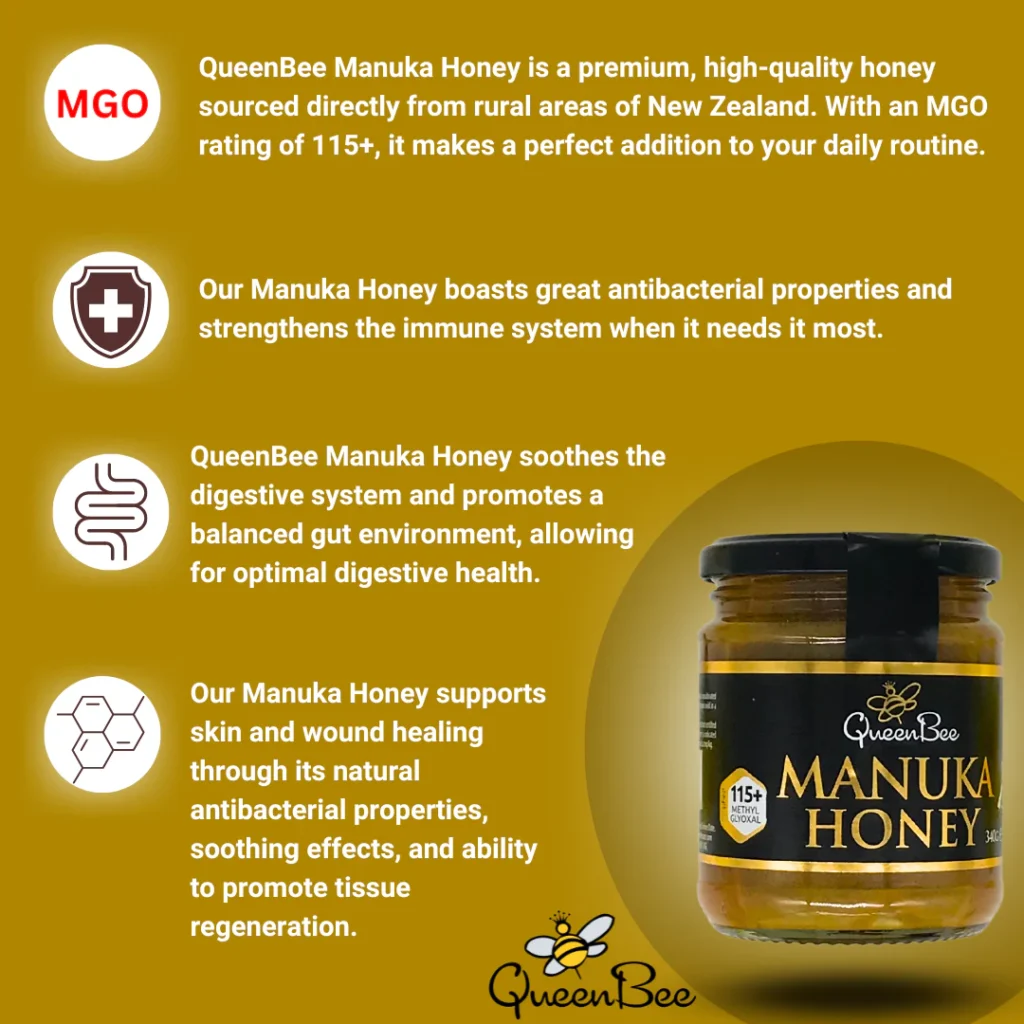
Manuka honey is renowned for its remarkable healing properties, which set it apart from other types of honey. Its unique combination of enzymes, vitamins, and minerals makes it a powerful tool in the fight against various health issues.
- Antibacterial and Antifungal Properties: Manuka honey has been shown to exhibit antibacterial and antifungal properties, making it effective against a range of microorganisms, including E. coli, Staphylococcus aureus, Streptococcus faecalis, and Helicobacter pylori.
- Wound Healing: Manuka honey’s unique properties make it an excellent natural remedy for wound healing. Its antibacterial and antifungal properties help prevent infection, promote tissue repair, and reduce scarring.
- Immune System Boost: Regular consumption of Manuka honey has been shown to boost the immune system, reducing inflammation and oxidative stress.
Opinions on Manuka Honey
Despite its impressive benefits, some experts are still studying the full potential of Manuka honey. However, initial research suggests that it may have a positive impact on various health issues, from digestive problems to skin conditions.
Authenticity of Manuka Honey: What to Look For?
When purchasing Manuka honey, look for the following characteristics:
- UMF (Unique Manuka Factor): The UMF rating measures the quality and potency of Manuka honey. A minimum of 10+ UMF is required for therapeutic use.
- Molasses Content: Manuka honey should contain a certain amount of molasses, which helps preserve its antibacterial properties.
Where to Buy Manuka Honey and Its Price
Manuka honey can be found in health food stores, some supermarkets, and online. A high-quality bottle of Manuka honey can cost anywhere from $20 to $50 or more, depending on the brand, quality, and quantity.
Controversies Surrounding Manuka Honey
Some experts have raised concerns about the authenticity of Manuka honey, particularly regarding its production methods and labeling practices.
Distinguishing Genuine Manuka Honey
To ensure you’re purchasing genuine Manuka honey, look for these characteristics:
- Color: Manuka honey has a darker color than other types of honey.
- Gustatory Notes: Manuka honey tends to have a more distinct flavor profile than other honeys.
- Viscosity: Manuka honey is generally thicker and more viscous than other honeys.
The Science Behind Manuka Honey
Research on Manuka honey has been ongoing for several years, with scientists studying its antibacterial properties and potential health benefits. Some of the key findings include:
- Antibiotic Resistance: Manuka honey has been shown to exhibit antimicrobial activity against antibiotic-resistant bacteria.
- Cancer Research: Studies have found that Manuka honey may have anti-cancer properties, with potential applications in cancer treatment.
- Wound Healing: Manuka honey’s antibacterial and antifungal properties make it an effective natural remedy for wound healing.
Precautions and Risks
While Manuka honey is generally considered safe to consume, there are some precautions and risks to be aware of:
- Allergic Reactions: Some people may be allergic to Manuka honey, which can cause symptoms such as hives, itching, and difficulty breathing.
- Interference with Medication: Manuka honey may interact with certain medications, including blood thinners and diabetes medications.
Conclusion
Manuka honey is a unique and powerful natural remedy with impressive healing properties. While some controversy surrounds its authenticity, research suggests that it may have significant benefits for various health issues. By understanding what makes Manuka honey special and how to identify authentic products, you can harness the power of this incredible sweetener in your daily life.
Frequently Asked Questions
- What is the difference between Manuka honey and other types of honey?
- How does Manuka honey benefit the immune system?
- Can I use Manuka honey to treat wounds and skin conditions?
- How do I know if a product is authentic Manuka honey?
- What are the risks associated with consuming Manuka honey?
- Can I take Manuka honey orally for health benefits?
- Is it safe to consume large quantities of Manuka honey?


