
Introduction
As the world shifts towards renewable energy sources, off-grid solar systems have become increasingly popular. These systems allow homeowners and businesses to generate their own electricity, reducing their reliance on the grid and lowering their carbon footprint. In this article, we will delve into the world of off-grid solar systems, exploring what they are, how they work, and the benefits they offer.
What is an Off-Grid Solar System?
An off-grid solar system is a self-contained energy solution that generates electricity using solar panels. Unlike grid-connected systems, which rely on the mains power supply, off-grid systems produce their own electricity and store it in batteries for use during periods of low sunlight or at night.
Types of Off-Grid Solar Systems
There are three main types of off-grid solar systems:
- Stand Alone (Off Grid): These systems are not connected to the grid and provide energy only to a single location, such as a house or a remote cabin.
- Grid-Tie with Battery Backup: These systems are connected to the grid but also have a battery bank to store excess energy generated during the day for use at night or during power outages.
- Hybrid Systems: These systems combine solar power with other renewable energy sources, such as wind or biogas, and can be connected to the grid.
Components of an Off-Grid Solar System
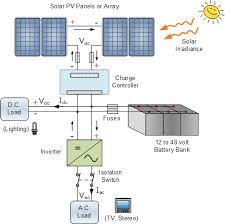
An off-grid solar system typically consists of:
- Solar Panels: Convert sunlight into DC electricity
- Battery Bank: Stores excess energy for later use
- Charge Controller: Regulates the flow of energy between the panels and battery
- Inverter: Converts DC power to AC power for use in homes and businesses
Benefits of Off-Grid Solar Systems
- Energy Independence: Generate your own electricity, reducing reliance on the grid
- Lower Energy Costs: Save money on energy bills with free or low-cost electricity
- Increased Property Value: A renewable energy system can boost property values and appeal to eco-conscious buyers
- Low Maintenance: Solar panels require minimal maintenance and have a long lifespan
Challenges of Off-Grid Solar Systems
- High Upfront Costs: The initial investment in an off-grid solar system can be expensive
- Intermittent Energy Source: Solar power is not always available, requiring backup systems or energy storage
- Limited Energy Capacity: The amount of electricity generated by a single panel or battery bank may not be sufficient for large households or businesses
Conclusion
Off-grid solar systems offer a sustainable and self-sufficient way to generate electricity. While they present some challenges, the benefits of energy independence, lower costs, and increased property value make them an attractive option for those looking to reduce their reliance on the grid.
Frequently Asked Questions (FAQs)
Q: What is the cost of an off-grid solar system?
A: The cost of an off-grid solar system can vary widely depending on the size of the system, number of panels, and type of equipment. However, with incentives such as tax credits and rebates, the upfront costs can be significantly reduced.
Q: How do I choose the right size of my off-grid solar system?
A: To determine the optimal size of your off-grid solar system, consider factors such as your energy usage, available sunlight, and desired level of independence from the grid. It’s recommended to consult with a professional solar installer to ensure the system is sized correctly for your needs.
Q: Can I use an off-grid solar system in cloudy areas?
A: While solar panels are designed to generate electricity even on cloudy days, their efficiency can be reduced by up to 50% in heavily overcast conditions. However, with energy storage solutions such as batteries, you can still generate electricity during periods of low sunlight and supplement your energy needs.
Q: Are off-grid solar systems suitable for large households or businesses?
A: Yes, off-grid solar systems can be used to power large households or businesses. However, the system size will need to be larger to accommodate increased energy demands. It’s recommended to consult with a professional solar installer to determine the optimal system size and configuration for your specific needs.
Q: Can I connect my off-grid solar system to the grid?
A: Some off-grid solar systems can be connected to the grid, but this requires additional infrastructure such as an inverter/charger and a transfer switch. This option is typically only available for households or businesses with high energy demands that cannot be met by the off-grid system alone.
Q: Are there any local incentives for installing an off-grid solar system?
A: Yes, many governments offer incentives such as tax credits, rebates, and feed-in tariffs to encourage the adoption of renewable energy technologies like off-grid solar systems. Be sure to research and take advantage of these incentives to minimize your upfront costs.
Understanding Off-Grid Solar Systems: A Technical Overview
Off-grid solar systems operate on a simple principle: converting sunlight into electricity using photovoltaic (PV) panels, which are then stored in batteries for later use. The system’s technical components work together to ensure efficient energy production and storage.
Solar Panels:
Solar panels convert sunlight into DC electricity through the photovoltaic effect. This process involves the absorption of photons by semiconducting materials, such as silicon, which generates an electrical current.
Battery Bank:
The battery bank stores excess energy generated during the day for use at night or during periods of low sunlight. Batteries are typically deep cycle lead-acid batteries, but other types like lithium-ion and nickel-cadmium batteries can also be used.
Charge Controller:
The charge controller regulates the flow of energy between the solar panels and battery bank. It ensures that the battery bank is not overcharged or undercharged, which could reduce its lifespan.
Inverter:
The inverter converts DC power from the battery bank to AC power for use in homes and businesses. This process requires an inverter/charger unit that can regulate both the output and input of energy.
Designing an Off-Grid Solar System: Considerations and Challenges
When designing an off-grid solar system, several factors need to be considered:
- Energy Demand: Determine the total energy demand of your household or business, including lighting, appliances, and heating/cooling needs.
- Solar Resource: Assess the amount of sunlight your location receives, taking into account seasonal variations and shading effects.
- Battery Capacity: Choose a battery bank size that can store excess energy for later use, considering factors like depth of discharge (DOD) and cycle life.
- System Size: Calculate the optimal system size based on energy demand, solar resource, and battery capacity.
However, designing an off-grid solar system also presents challenges:
- Intermittency: Solar power is not always available, requiring backup systems or energy storage to ensure continuous energy supply.
- Energy Storage: Selecting the right type and size of batteries can be critical in ensuring a stable energy supply.
- System Balance: Ensuring that all system components are balanced and optimized for performance and longevity.
Installing an Off-Grid Solar System: Tips and Best Practices
When installing an off-grid solar system, consider the following tips and best practices:
- Hire a Professional: Engage a qualified solar installer to ensure a safe and efficient installation process.
- Follow Local Regulations: Comply with local building codes, zoning regulations, and permitting requirements.
- Conduct System Tests: Verify that all system components are functioning correctly before connecting them to the battery bank and inverter.
By understanding the technical aspects of off-grid solar systems, you can make an informed decision when designing, installing, and maintaining your renewable energy solution.
Off-Grid Solar Systems for Remote Locations
Off-grid solar systems can be particularly beneficial for remote locations where access to traditional grid power is limited or non-existent. These systems provide a reliable source of electricity for homes, schools, hospitals, and other critical infrastructure.
Benefits:
- Energy Independence: Generate your own electricity, reducing reliance on diesel generators or other backup power sources.
- Improved Health and Safety: Provide lighting, heating, and cooling, improving overall health and safety in remote areas.
- Increased Productivity: Power essential equipment like water pumps, refrigerators, and communication systems.
Challenges:
- Remote Location Challenges: Limited access to maintenance personnel, spare parts, and technical support can increase system downtime and costs.
- Higher Upfront Costs: Off-grid solar systems for remote locations often require more expensive equipment and infrastructure due to the remote location.
Off-Grid Solar Systems for Small-Scale Farmers
Small-scale farmers can benefit from off-grid solar systems by generating their own electricity and reducing reliance on diesel generators or other backup power sources. These systems provide a reliable source of energy for essential farm operations like irrigation, lighting, and communication.
Benefits:
- Increased Crop Yield: Provide power for irrigation pumps, improving crop yields and reducing water waste.
- Improved Livestock Health: Power veterinary equipment, diagnostic tools, and other medical devices to improve livestock health.
- Enhanced Farm Safety: Provide lighting and communication systems, improving overall farm safety.
Challenges:
- High Energy Demand: Small-scale farmers often require more energy-intensive systems due to their agricultural needs.
- Limited Access to Maintenance: Remote locations can make it difficult to access maintenance personnel, spare parts, and technical support.
Off-Grid Solar Systems for Community Centers
Community centers can benefit from off-grid solar systems by providing a reliable source of electricity for lighting, communication, and other essential services. These systems enable community members to access basic necessities like healthcare, education, and sanitation.
Benefits:
- Improved Access to Basic Services: Provide power for medical equipment, computers, and other life-saving devices.
- Enhanced Community Development: Support community development initiatives through the provision of reliable electricity.
- Increased Economic Opportunities: Enable community members to access financial services, communicate with the outside world, and participate in local commerce.
Challenges:
- High Energy Demand: Community centers often require more energy-intensive systems due to their diverse user base.
- Limited Access to Maintenance: Remote locations can make it difficult to access maintenance personnel, spare parts, and technical support.


