
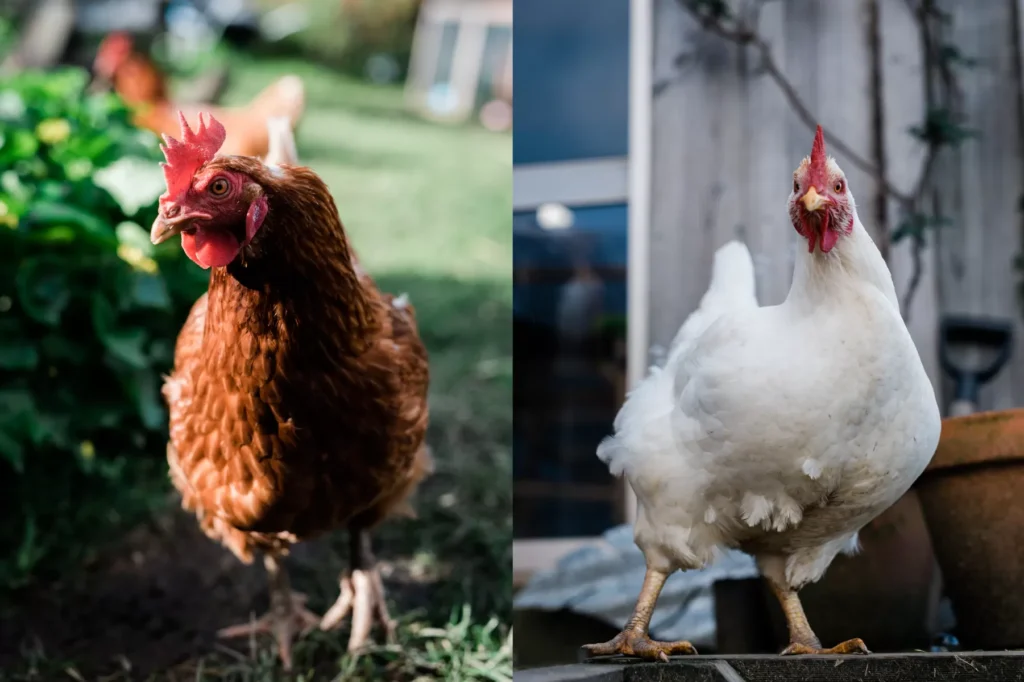
The Difference Between Chicken, Hens, and Roosters: A Comprehensive Guide
As someone who has grown up on a farm, you’re likely familiar with the difference between chicken, hens, and roosters. However, for those who are new to the world of poultry, it can be confusing to understand the nuances between these three terms. In this article, we’ll explore the differences between chicken, hens, and roosters, and provide a detailed explanation of each.
Understanding Chicken, Hens, and Roosters
The term “chicken” is often used to refer to any bird that belongs to the species Gallus gallus domesticus. However, this term can be misleading, as it doesn’t take into account the different stages of a chicken’s life cycle. In reality, chickens go through several stages, including:
- Pullets (3-5 months old)
- Chickens (1 year old or older)
- Hens (female chickens)
- Roosters (male chickens)
- Cockerels (young male chickens)
The Difference Between Chicken and Hen
So, what’s the difference between a chicken and a hen? The answer lies in the stage of life. A hen is a female chicken that has reached reproductive maturity and is capable of laying eggs. Chickens, on the other hand, are birds that have not yet reached reproductive maturity and cannot lay eggs.
For example, a 3-month-old chick is still considered a pullet because it has not yet reached reproductive maturity. On the other hand, a 1-year-old chicken is considered a mature bird, but it may not be fertile or capable of laying eggs.
The Difference Between Rooster and Cockerel
A rooster is a male chicken that has reached full maturity and is capable of reproducing. A cockerel, on the other hand, is a young male chicken that has not yet reached full maturity.
Roosters are characterized by their distinctive crowing sound, which they use to communicate with other chickens and establish dominance within their flock. Cockerels, on the other hand, will still make noise but may not be as loud or persistent as roosters.
The Life Cycle of Chickens
Chickens have a unique life cycle that involves several stages. Here’s an overview:
- Pullet: This stage typically lasts between 3-5 months and is characterized by rapid growth.
- Chicken: At around 1 year old, chickens reach their adult size and are considered mature birds.
- Hen: Female chickens are called hens, and they begin laying eggs at around 18-20 weeks of age.
- Rooster: Male chickens are called roosters or cockerels, and they can be identified by their distinctive crowing sound.
The Importance of Understanding Chicken Life Cycle
Understanding the life cycle of chickens is essential for several reasons:
- Proper Nutrition: Chickens have different nutritional needs at various stages of their lives. Providing proper nutrition is crucial to ensure optimal health and growth.
- Egg Production: Hens are responsible for laying eggs, and understanding their life cycle can help determine when they will begin producing eggs.
- Meat Production: Roosters are used for meat production, and knowing their life cycle can help determine the optimal age for slaughter.
The Pros and Cons of Industrial Chicken Farming
Industrial chicken farming is a common practice in many parts of the world. While it provides cheap meat, there are several drawbacks to this method:
- Environmental Impact: Intensive farming practices can have devastating effects on the environment.
- Animal Welfare: Chickens raised in industrial farms often face poor living conditions and inadequate care.
Alternatives to Industrial Chicken Farming
If you’re concerned about the impact of industrial chicken farming, there are several alternatives you can consider:
- Free-Range Chicken: Free-range chickens are raised outdoors and have access to fresh air, sunlight, and exercise.
- Organic Chicken: Organic chicken is raised on organic feed and has access to natural environments.
The Benefits of Free-Range and Organic Chicken
Free-range and organic chicken offer several benefits over industrial chicken farming:
- Improved Nutrition: Free-range and organic chicken are raised without antibiotics or hormones, which can improve their nutritional value.
- Better Animal Welfare: Free-range and organic chicken have access to fresh air, sunlight, and exercise, which can improve their overall health and well-being.
How to Choose Between Free-Range and Organic Chicken
When choosing between free-range and organic chicken, consider the following factors:
- Price: Free-range and organic chicken tend to be more expensive than industrial chicken.
- Nutrition: Both free-range and organic chicken offer improved nutrition over industrial chicken, but free-range and organic chicken may have an edge in this regard.
- Animal Welfare: Free-range and organic chicken are raised with better animal welfare standards than industrial chicken.
Conclusion
Understanding the difference between chicken, hens, and roosters is essential for anyone looking to raise or consume poultry. By understanding their life cycle, nutritional needs, and environmental impact, you can make informed decisions about your food choices.
Here are 8 frequently asked questions about chickens that we hope you’ll find helpful:
- What’s the difference between chicken and hen?
Chicken refers to any bird that belongs to the species Gallus gallus domesticus, while hen is a female chicken that has reached reproductive maturity. - How long do chickens live?
Chickens can live for several years, depending on factors such as breed, nutrition, and living conditions. - What’s the difference between rooster and cockerel?
A rooster is a male chicken that has reached full maturity, while a cockerel is a young male chicken that has not yet reached full maturity. - How often do hens lay eggs?
Hens typically begin laying eggs at around 18-20 weeks of age and can produce multiple eggs per day. - What’s the best way to care for chickens?
Chickens require proper nutrition, fresh air, sunlight, and exercise to thrive. - Can I raise chickens in my backyard?
Yes, it is possible to raise chickens in your backyard with the right equipment and permits. - How do I know when my chickens are healthy?
Healthy chickens will have shiny feathers, clear eyes, and a friendly demeanor. - Are organic chicken eggs better for me?
Organic chicken eggs may be a healthier choice due to their higher nutritional value and lower risk of antibiotic resistance.
By understanding the differences between chicken, hens, and roosters, you can make informed decisions about your food choices and promote sustainable farming practices.


