
Introduction
The Chernobyl disaster is a devastating event that is still remembered today and has left deep consequences on the environment, human health, and our understanding of nuclear safety. It’s crucial to recall this tragic incident to avoid perpetuating misconceptions or exploiting it for personal gain.
As we continue to push the boundaries of scientific progress and technological advancements, it’s essential to remember the lessons from past disasters like Chernobyl. The disaster serves as a stark reminder of the importance of prioritizing safety and responsible management in high-risk industries like nuclear energy.
What Happened at Chernobyl?
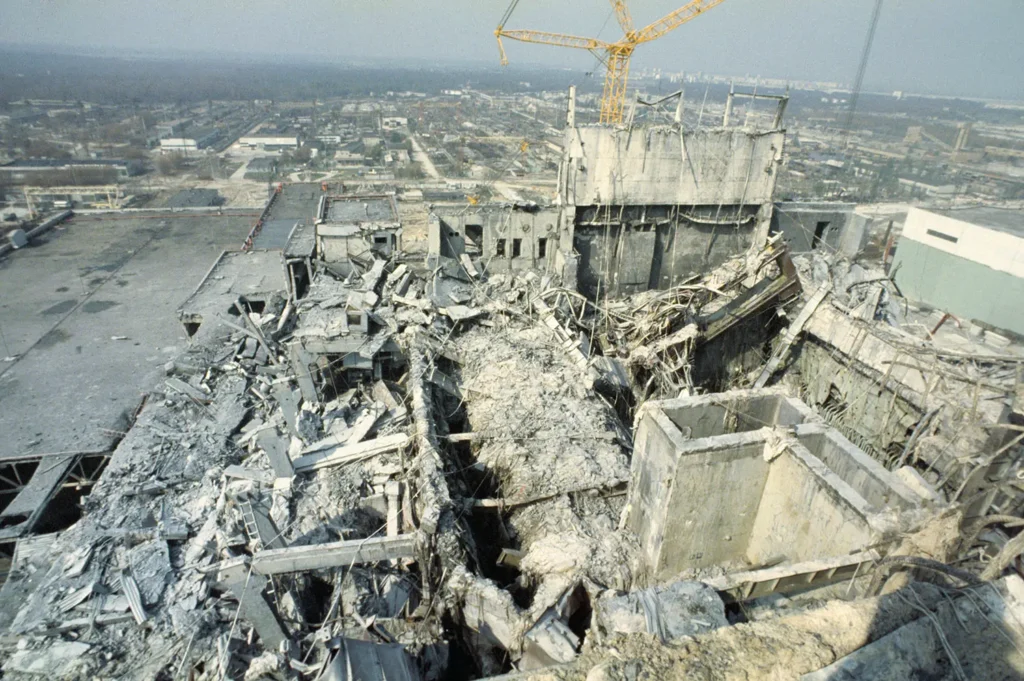
On April 26, 1986, a catastrophic explosion occurred at the Chernobyl Nuclear Power Plant in Ukraine, then part of the Soviet Union. This disaster is considered one of the most severe nuclear accidents ever recorded and was classified as a Level 7 event on the International Nuclear Event Scale (INES).
The accident was caused by a combination of human error, design flaws, and inadequate safety measures. A safety test was conducted at Reactor Number 4, which resulted in an uncontrolled increase in power, leading to a rapid temperature rise. The resulting explosion caused a massive release of radioactive materials into the environment.
The Day of the Disaster
On that fateful day, a team of operators and engineers were conducting a routine safety test on Reactor Number 4. The test aimed to determine how long the turbines would keep spinning and generating electricity in the event of a loss of power to the main cooling pumps.
However, something went terribly wrong during the test. The operators made critical errors, including turning off key safety systems and ignoring warning signs. These mistakes led to an uncontrolled increase in power, which caused the reactor’s fuel rods to overheat.
The Human Cost
The immediate effects of the disaster were devastating. Thousands of people were evacuated from the area surrounding the plant, and many suffered from acute radiation syndrome (ARS). ARS is a condition that occurs when the body absorbs too much ionizing radiation, leading to damage to the bone marrow, lungs, gastrointestinal system, and other organs.
The long-term consequences of the disaster are still being felt. An estimated 6 million deaths worldwide have been attributed to the Chernobyl disaster over the past 70 years. Many of these deaths were due to cancers caused by exposure to radioactive materials.
Chernobyl: A Movie
A horror film called “Chernobyl Diaries – The Mutation” was released, which fictionalized the events leading up to the disaster. However, it’s essential to note that this movie is not a documentary and should not be relied upon as an accurate account of the events.
In reality, the movie takes significant creative liberties with the facts, portraying the disaster as a supernatural event rather than a human error caused by a combination of technical and administrative failures.
The History of Chernobyl
Recalling the history of Chernobyl is challenging due to the numerous conflicting accounts and hypotheses surrounding the incident. While there have been reports of technical and administrative failures, it’s also clear that economic and management issues contributed to the disaster.
In the years leading up to the disaster, Ukraine was experiencing significant financial difficulties, which led to a lack of investment in maintenance and safety measures at the Chernobyl plant. This created a culture of complacency among personnel, who were more focused on meeting production targets than following proper safety protocols.
The Immediate Aftermath
After the explosion, a massive release of radioactive materials into the environment occurred, contaminating a large area around the plant. The radiation spread across Europe, including Finland, Scandinavia, Italy, France, Germany, Switzerland, Austria, and the Balkans.
The immediate aftermath of the disaster was chaotic, with emergency responders struggling to contain the damage. However, in the years that followed, it became clear that the scale of the disaster was far more extensive than initially thought.
Radiation Exposure and Health Effects
Studies have shown that the radiation exposure led to significant health effects, including thyroid cancer in children. According to the Chernobyl Forum report by the World Health Organization (WHO), there were 65 confirmed deaths directly attributed to acute radiation syndrome, with an additional 4,000 cases of thyroid cancer reported.
The thyroid cancer was caused by radioactive iodine-131, which was released into the environment during the disaster and accumulated in the thyroid glands of people who consumed contaminated food or water. The long-term consequences of this exposure are still being felt today.
A Lasting Legacy
The Chernobyl disaster serves as a stark reminder of the importance of prioritizing safety and responsible management in high-risk industries like nuclear energy. It’s crucial that we learn from this tragic event and strive to improve our understanding of nuclear technology.
In recent years, there have been significant advances in nuclear safety, including the development of more robust containment structures and improved cooling systems. However, despite these advancements, the risk of another disaster is still present, highlighting the need for continued vigilance and improvement.
Conclusion
The Chernobyl disaster is an important reminder of the devastating consequences of unchecked power and human error. We must continue to study this event and work towards improving nuclear safety to prevent similar tragedies in the future.
As we move forward, it’s essential that we prioritize transparency, accountability, and open communication in high-risk industries like nuclear energy. By learning from our mistakes and working together, we can create a safer, more sustainable future for all.
Frequently Asked Questions (FAQs)
- What was the exact date of the Chernobyl disaster?
April 26, 1986 - How many people were evacuated from the area surrounding the plant?
Approximately 336,000 - How many deaths are attributed to the Chernobyl disaster worldwide?
Estimated 6 million - What was the immediate cause of the explosion at Chernobyl?
A safety test that resulted in an uncontrolled increase in power. - How did the radiation from Chernobyl spread?
Across Europe, including Finland, Scandinavia, Italy, France, Germany, Switzerland, Austria, and the Balkans. - What are some of the health effects associated with radiation exposure at Chernobyl?
Thyroid cancer in children - Is there a way to measure the level of radiation released during the disaster?
Yes, it was classified as a Level 7 event on the International Nuclear Event Scale (INES). - What is being done to prevent similar nuclear disasters in the future?
Improved safety measures, enhanced training for personnel, and increased regulation of nuclear technology.
By understanding the lessons from Chernobyl, we can work towards creating a safer, more sustainable future for all.


