
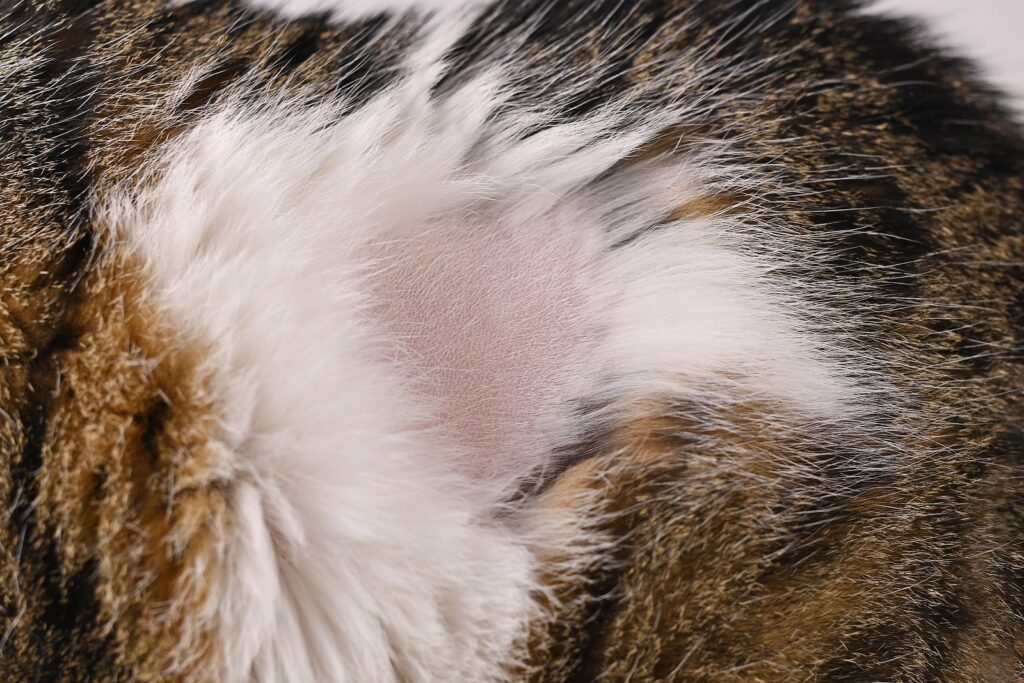
As a responsible pet owner, it’s essential to be aware of the various skin diseases that can affect your feline companion. A healthy coat is not only aesthetically pleasing but also a sign of overall well-being. In this article, we’ll delve into the common causes of feline skin issues, their symptoms, and most importantly, how to prevent them.
The Importance of Skin Health in Cats
Cats have a unique skin composition that requires a balanced diet and proper care to maintain its health. Their skin is rich in keratin, a protein essential for hair growth and maintenance. However, if the skin’s delicate balance is disrupted due to various factors, it can lead to skin problems. These issues not only cause discomfort but also affect the cat’s overall quality of life.
The Role of Nutrition in Feline Skin Health
A well-balanced diet plays a crucial role in maintaining healthy skin in cats. A diet rich in protein, particularly from animal sources, helps to support skin health. Omega-3 fatty acids and antioxidants also contribute to the prevention of skin problems. On the other hand, a diet lacking essential nutrients can lead to skin issues such as dryness, itchiness, and flakiness.
Common Causes of Feline Skin Diseases
Several factors can contribute to feline skin diseases, including:
- Environmental factors: Exposure to environmental pollutants, dust, and allergens can irritate the skin.
- Parasites: Fleas, ticks, mites, and lice can cause skin problems.
- Nutritional deficiencies: A diet lacking essential nutrients can lead to skin issues.
- Genetic predisposition: Some breeds are more prone to certain skin conditions.
The Importance of Regular Grooming
Regular grooming is essential in maintaining your cat’s skin health. This includes:
- Brushing their coat to remove dirt and tangles
- Checking for fleas, ticks, and mites
- Trimming nails to prevent overgrowth
- Cleaning the ears and eyes
Recognizing Signs of Skin Disease
Some common signs of feline skin disease include:
- Excessive grooming: Prolonged licking or chewing at the skin.
- Skin lesions: Open sores, wounds, or crusty patches on the skin.
- Itchiness: Excessive scratching or rubbing against surfaces.
Preventing Feline Skin Diseases
To prevent feline skin diseases, follow these tips:
- Feed a balanced diet rich in essential nutrients
- Provide regular grooming and check for parasites
- Keep your cat indoors to reduce exposure to environmental pollutants.
- Consult with your veterinarian if you notice any signs of skin disease.
Conclusion
Feline skin diseases are common but can be prevented by maintaining proper care and nutrition. By recognizing the signs of skin disease and taking preventative measures, you can help keep your feline companion healthy and happy.
Frequently Asked Questions
- Q: How often should I groom my cat?
A: Regular grooming helps to remove dirt and tangles, checks for parasites, trims nails, and cleans the ears and eyes. It is recommended to brush your cat at least 2-3 times a week. - Q: What are some common signs of feline skin disease?
A: Excessive grooming, skin lesions, itchiness, and excessive scratching or rubbing against surfaces can be indicative of skin disease. - Q: How can I prevent feline skin diseases?
A: Feed a balanced diet rich in essential nutrients, provide regular grooming and check for parasites, keep your cat indoors to reduce exposure to environmental pollutants, and consult with your veterinarian if you notice any signs of skin disease. - Q: What is the best way to treat feline skin disease?
A: Treatment for feline skin disease depends on the underlying cause. Consult with your veterinarian to determine the best course of treatment. - Q: Can feline skin diseases be prevented by regular grooming alone?
A: While regular grooming can help identify potential issues, it is not enough to prevent all feline skin diseases. A balanced diet and proper care are also essential.
Feline Skin Diseases: Treatment Options
Treatment for feline skin disease depends on the underlying cause. Some common treatment options include:
- Topical treatments: Creams or ointments applied directly to the affected area.
- Oral medications: Antibiotics, steroids, and other medications taken by mouth.
- Phototherapy: Exposure to specific wavelengths of light to reduce inflammation.
- Surgery: Removal of infected tissue or skin lesions.
Conclusion
In conclusion, feline skin diseases are common but can be prevented by maintaining proper care and nutrition. By recognizing the signs of skin disease and taking preventative measures, you can help keep your feline companion healthy and happy. If you suspect that your cat has a skin disease, consult with your veterinarian to determine the best course of treatment.
Additional Tips
- Keep your cat’s litter box clean to prevent bacterial and fungal infections.
- Provide regular veterinary check-ups to monitor your cat’s health.
- Consider using a humidifier in your home to reduce dry air, which can contribute to skin problems.
- Consult with your veterinarian before using any over-the-counter medications or treatments.
By following these tips and being aware of the common causes of feline skin diseases, you can help keep your feline companion healthy and happy.


