
Understanding the Basics of Diesel Fuel Efficiency
As drivers, we’re always looking for ways to save money on fuel costs. One way to do this is by optimizing your diesel fuel efficiency. But what exactly does it mean to optimize diesel fuel efficiency? In short, it means using fewer resources (in this case, fuel) to achieve the same level of performance.
Diesel fuel efficiency refers to how well a vehicle converts fuel into motion. A more efficient vehicle will consume less fuel to travel the same distance as a less efficient one. Optimizing diesel fuel efficiency can be achieved through various methods, including regular maintenance, driving techniques, and using the right equipment for your vehicle.
The Importance of Regular Maintenance
Regular maintenance is key to optimizing diesel fuel efficiency. One often-overlooked aspect of maintenance is the filter cleaner. A dirty filter can lead to a decrease in engine efficiency, which translates to more fuel consumption. Make sure to check and replace your air filter regularly to ensure optimal performance.
Another important maintenance task is checking tire pressure. Properly inflated tires not only improve handling but also reduce rolling resistance, leading to lower fuel consumption.
The Role of Pneumatic Tires
When it comes to diesel fuel efficiency, pneumatic tires play a crucial role. During the summer months, driving with winter tires can increase fuel consumption due to their increased traction and rolling resistance. So, make sure to switch to summer tires when possible to save on fuel costs.
In addition to tire type, the condition of your tires also plays a significant role in diesel fuel efficiency. Underinflated or worn-out tires can decrease fuel efficiency by up to 20%. Regularly check your tire pressure and look for signs of wear such as uneven tread wear or excessive noise.
The Impact of Cargo on Fuel Efficiency
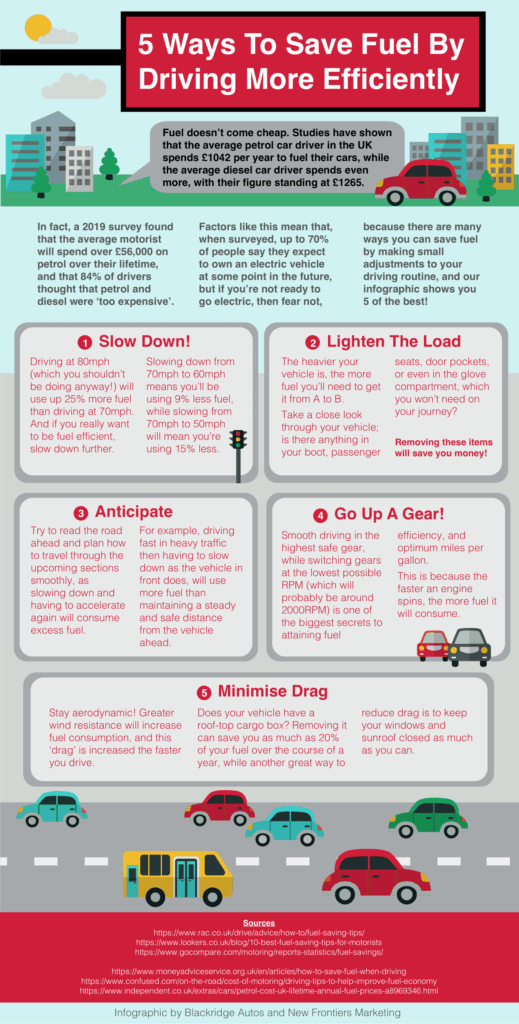
Did you know that carrying extra cargo can significantly impact your fuel efficiency? The weight of a full trunk or roof rack can add up to 100 pounds, which can decrease your car’s overall efficiency by as much as 2%. Remove any unnecessary items from your vehicle and consider using a roof rack with a removable storage system to keep your gear secure while minimizing its impact on your fuel consumption.
The Effect of Climate Control
Climate control systems can be a significant drain on diesel fuel. While it may be tempting to crank up the AC during long road trips, doing so can decrease your car’s efficiency by as much as 20%. Turn off the air conditioning when possible or use it sparingly to minimize its impact on your fuel consumption.
In addition to climate control, the temperature of your vehicle also plays a role in diesel fuel efficiency. A cold engine requires more energy to warm up, which can decrease fuel efficiency. Keep your engine warm by keeping your headlights on while driving or using a block heater in extreme cold weather.
Aggressive Driving: A Recipe for Disaster
Aggressive driving is a major contributor to poor diesel fuel efficiency. Not only does it put you and others at risk, but it also puts a strain on your car’s engine and transmission. Try to avoid sudden acceleration, hard braking, and sharp turns whenever possible.
Smooth Acceleration: The Key to Efficiency
When accelerating from a standstill, try to do so smoothly. Sudden acceleration can decrease your car’s efficiency by as much as 30%. Instead, accelerate gradually and smoothly to minimize the strain on your engine and transmission.
Driving Techniques for Better Fuel Efficiency
Here are some driving techniques that can help improve your diesel fuel efficiency:
- Maintain a consistent speed
- Avoid idling when possible
- Use cruise control when driving on the highway
- Coast to a stop whenever possible
By following these techniques, you can reduce your fuel consumption and save money on gas.
Monitoring Your Vehicle’s Performance
To optimize your diesel fuel efficiency, it’s essential to monitor your vehicle’s performance. Keep an eye on your dashboard’s fuel efficiency indicator and adjust your driving habits accordingly.
Some things to look for when monitoring your vehicle’s performance include:
- Fuel level
- Oil pressure
- Coolant temperature
- Battery voltage
Conclusion
Optimizing your diesel fuel efficiency is a simple yet effective way to save money on fuel costs. By following these expert tips and tricks, you can improve your car’s overall efficiency and reduce your carbon footprint.
Regular maintenance, driving techniques, and using the right equipment for your vehicle are all essential to optimizing diesel fuel efficiency. Don’t forget to monitor your vehicle’s performance and adjust your habits accordingly.
By taking these steps, you can become a more efficient driver and save money on gas. Whether you’re looking to reduce your carbon footprint or just want to save some cash, optimizing your diesel fuel efficiency is the way to go.
Frequently Asked Questions
- Q: How often should I change my air filter?
A: It’s recommended to check your owner’s manual for the recommended frequency of air filter replacement. - Q: What’s the best way to carry cargo in a diesel-powered vehicle?
A: Consider using a roof rack with a removable storage system or removing any unnecessary items from your vehicle. - Q: Can climate control systems be disabled?
A: Some vehicles may have climate control systems that can be disabled, but it’s best to consult your owner’s manual for specific instructions. - Q: What are some common driving mistakes that can decrease fuel efficiency?
A: Sudden acceleration, hard braking, and sharp turns can all decrease fuel efficiency. Try to avoid these habits whenever possible. - Q: How often should I check my tire pressure?
A: Check your tire pressure at least once a month, and before long trips. - Q: Can cruise control be used on diesel-powered vehicles?
A: Yes, many modern diesel-powered vehicles come equipped with cruise control. Use it to maintain a consistent speed and improve fuel efficiency. - Q: How can I monitor my vehicle’s performance?
A: Keep an eye on your dashboard’s fuel efficiency indicator and adjust your driving habits accordingly. - Q: Are there any other ways to optimize diesel fuel efficiency?
A: Yes, consider using a fuel-efficient driving mode or consulting with a mechanic for personalized recommendations.
By understanding the basics of diesel fuel efficiency and implementing these expert tips and tricks, you can become a more efficient driver and save money on gas. Whether you’re looking to reduce your carbon footprint or just want to save some cash, optimizing your diesel fuel efficiency is the way to go.



