
As we move forward into the next decade, it’s clear that the construction industry will be driven by sustainable materials. And among them, engineered wood is poised to take center stage. With its eco-friendly “circular economy” credentials, this innovative material is set to revolutionize the way we build.
What is Engineered Wood?
Engineered wood is a composite material made from sawmill waste and plastic components. By repurposing these materials, manufacturers can create products with reduced environmental impact. This approach not only helps to reduce waste but also promotes sustainable forestry practices.
Engineered wood is created by combining three main types of wood fibers:
- Plywood: Made from layers of wood veneer pressed together under heat and pressure.
- Medium-density fiberboard (MDF): A dense material made from wood chips or shavings that are compressed into a solid sheet.
- Oriented strand board (OSB): Similar to plywood, but the fibers are oriented in a specific direction.
These materials are then combined and treated with adhesives to create a durable and versatile product.
A Brief History of Engineered Wood
The history of engineered wood dates back to traditional architecture, where wood was used for building purposes. However, it wasn’t until the advent of modern technology that we saw the emergence of engineered wood as we know it today. By incorporating innovative technologies, manufacturers can create products with improved durability and performance.
Benefits of Engineered Wood
So what makes engineered wood an attractive choice for sustainable builders? For starters, it requires minimal maintenance. With its resistant properties to atmospheric agents and high insulation capabilities, engineered wood is a reliable option for construction projects. Moreover, its affordability makes it an accessible solution for builders seeking eco-friendly materials.
Engineered wood also offers several benefits over traditional solid wood:
- Cost-effectiveness: Engineered wood is often less expensive than solid wood, making it an attractive choice for budget-conscious builders.
- Consistency: The manufacturing process ensures that engineered wood products are consistent in terms of quality and appearance.
- Durability: Engineered wood is more resistant to warping, shrinking, and cracking due to changes in humidity or temperature.
Applications of Engineered Wood
Engineered wood has numerous applications across various industries. From furniture to exterior finishes, this versatile material offers endless possibilities. Here are some examples:
• Furniture: Engineered wood is perfect for creating durable and stylish furniture pieces.
• Decorative Elements: Its versatility makes it ideal for adding ornamental touches to any space.
• Boundary Fencing: Engineered wood can be used to create sturdy boundary fencing systems.
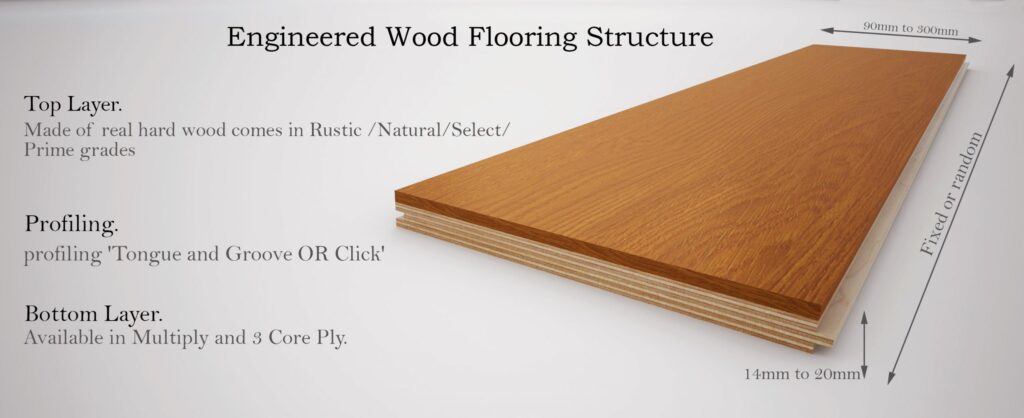
• Flooring: For both indoor and outdoor spaces, engineered wood offers a beautiful and functional flooring solution.
• Windows and Shutters: Engineered wood is an excellent choice for creating durable windows and shutters.
Market Trends
According to The Freedonia Group, a leading international research firm, the market for engineered wood is expected to experience significant growth by 2015. With its applications set to expand in areas such as flooring, doors, and windows, this material is poised to revolutionize the construction industry.
The growing demand for sustainable building materials has led to an increased focus on engineered wood. As consumers become more environmentally conscious, builders are responding by incorporating eco-friendly products into their designs.
Conclusion
In conclusion, engineered wood is an innovative material that’s poised to take center stage in the sustainable building market. With its eco-friendly credentials, durability, and affordability, it’s no wonder why this material is set to experience significant growth in the coming years.
As we look to the future, one thing is clear: engineered wood will play a vital role in shaping the construction industry for generations to come.
Frequently Asked Questions (FAQs)
- What makes engineered wood so sustainable?
Engineered wood is made from sawmill waste and plastic components, reducing waste and promoting sustainable forestry practices. - Is engineered wood suitable for all types of construction projects?
While it’s suitable for a wide range of applications, engineered wood may not be the best choice for high-traffic areas or extreme weather conditions. - How durable is engineered wood?
Engineered wood is resistant to atmospheric agents and provides excellent insulation properties, making it a reliable option for construction projects. - Can engineered wood be used in outdoor applications?
Yes, engineered wood can be used for exterior finishes such as fencing, flooring, and wall cladding. - Is engineered wood more expensive than traditional wood products?
While the initial cost may be higher, engineered wood’s durability and long lifespan make it a cost-effective option in the long run. - Can engineered wood be stained or painted?
Yes, engineered wood can be stained or painted to match any desired color scheme. - Is engineered wood suitable for wet environments?
While it’s not as water-resistant as some other materials, engineered wood can still be used in areas with high humidity but should be properly treated and sealed. - Can I use engineered wood for load-bearing applications?
No, engineered wood is typically used for non-load-bearing applications such as partitions, floors, and roofs.
By understanding the benefits, applications, and market trends of engineered wood, builders can make informed decisions about incorporating this sustainable material into their designs. As we look to the future, one thing is clear: engineered wood will play a vital role in shaping the construction industry for generations to come.


