
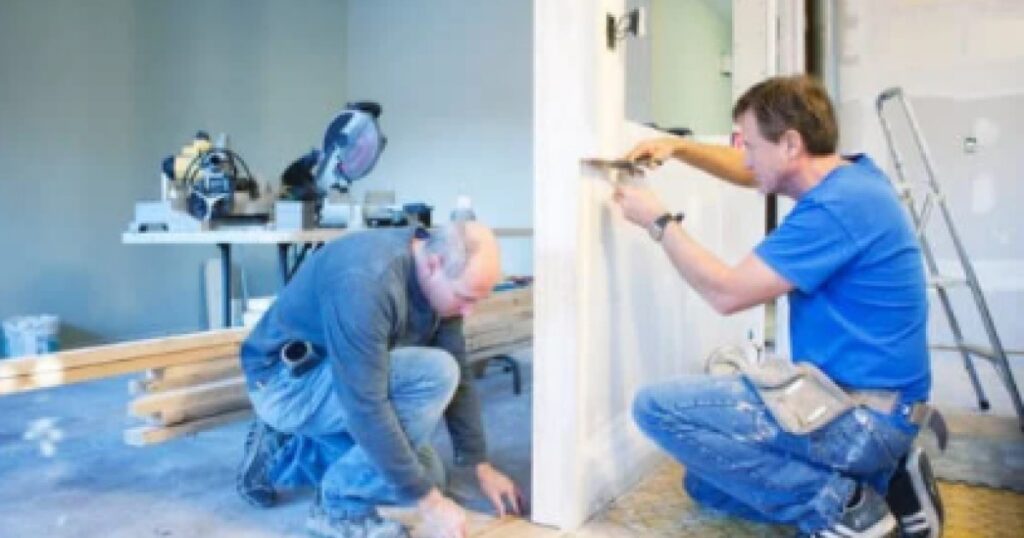
Reconstruction detraction, also known as the “Bonus Reconstruct,” is a tax incentive program in Italy that provides financial benefits for individuals and businesses undertaking reconstruction projects. The 2017 extension of the Budget Law has brought new developments and updates to this program. In this article, we will delve into the world of reconstruction detraction, exploring its rules, requirements, and eligible interventions.
Overview of Reconstruction Detraction
Reconstruction detraction is a tax incentive that allows taxpayers to deduct Income Tax (Irpef) and Corporate Tax (Ires) expenses related to reconstruction interventions. This means you can reduce your tax liability by claiming deductions for expenses incurred during the reconstruction process. The program is designed to encourage investment in Italy’s construction sector, promoting economic growth and urban development.
Reconstruction Detraction on Second Homes
The Reconstruction Fiscally Deduction is valid for both primary residences and second homes. If you own a property that’s rented out or used as a rental agreement with renovation works at your expense, the reconstruction detraction can be applied. This means you can claim deductions for expenses related to renovation and energy efficiency improvements.
For example, if Mr. Rossi owns a second home that he rents out on a short-term basis, he can apply for reconstruction detraction even though it’s not his primary residence. In this case, he’ll need to provide documentation showing the rental agreement and proof of causality between the reconstruction work and the rental income.
Detraction at 50% and 65%
The Reconstruction Fiscally Deduction offers two levels of tax incentives: 50% and 65%. The 50% deduction is applicable to interventions that do not improve the building’s energy efficiency. On the other hand, the 65% deduction is reserved for interventions aimed at improving energy efficiency, such as insulation, solar panels, or biomass fuel systems.
Detraction at 50%
Interventions that do not improve energy efficiency are eligible for a 50% deduction. This includes:
- Renovation work that maintains the building’s original structure and does not reduce its heating demand.
- Insulation work that is limited to external insulation and does not involve the installation of solar panels or biomass fuel systems.
For example, if Mr. Rossi conducts minor renovation work on his second home, including painting and flooring, he can claim a deduction of 50%.
Detraction at 65%
Interventions aimed at improving energy efficiency are eligible for a 65% deduction. This includes:
- Insulation work that involves the installation of thermal insulation materials.
- Solar panels or biomass fuel systems.
- Replacement of winter heating systems with renewable energy sources.
For example, if Mr. Rossi installs solar panels on his second home, he can claim a deduction of 65%.
Energy Savings Incentives: Reconstruction Fiscally Deduction
The fiscally deductible expenses for reconstruction and requalification interventions can still benefit from an incentive of 65%. This extension applies to energy-saving projects in buildings completed by December 31, 2017. Although this incentive is set to expire on January 1, 2018, users will still be able to count on the Reconstruction Fiscally Deduction with a reduced amount.
Detraction for Reconstruction: What Does It Consist Of?
The Reconstruction Fiscally Deduction is an incentive that allows taxpayers to deduct Income Tax (Irpef) and Corporate Tax (Ires) expenses related to reconstruction interventions. This means you can reduce your tax liability by claiming deductions for expenses incurred during the reconstruction process.
For example, if Mr. Rossi incurs €100,000 in renovation costs for his second home, he can claim a deduction of 50% or 65%, depending on whether the intervention improves energy efficiency.
Deductions at 50% for Interventions Improving Energy Efficiency Not Required
Reconstruction deductions of 50% are valid if the intervention does not improve the building’s energy efficiency. However, if the intervention provides for seismic retrofitting (sisma bonus), deductions of up to 80% can be claimed.
How to Request Reconstruction Fiscally Deduction at 50%?
To claim a deduction of 50%, you must submit your tax return and provide the necessary documentation, including proof of causality and completion of tax return forms. For ecobonus, additional documents are required.
For example, if Mr. Rossi needs to request a deduction of 50% for his second home renovation, he should:
- Calculate the total cost of the renovation project.
- Determine the amount eligible for deduction based on whether the intervention improves energy efficiency.
- Submit his tax return with proof of causality and completion of tax return forms.
Ecobonus: How to Request Detraction at 65%?
To benefit from Reconstruction Fiscally Deduction at 65%, you’ll need to consult a qualified technician who will attest that the interventions comply with relevant requirements. The technician will issue an APE (Assessment of Energy Performance) certificate, which is required for all official information on ecobonus.
For example, if Mr. Rossi needs to request a deduction of 65% for his second home renovation, he should:
- Consult with a qualified technician to determine whether the intervention improves energy efficiency.
- Have the technician issue an APE (Assessment of Energy Performance) certificate.
- Submit his tax return with proof of causality and completion of tax return forms.
How Is the Incentive Paid?
The incentive payment process varies depending on the type of deduction and intervention. For example, Mr. Rossi can claim an Income Tax Deduction of 50% for renovation expenses, resulting in a refund of €35,000 over ten annual installments of €3,500.
Future Extension Possibilities
As mentioned earlier, users will still be able to count on the Reconstruction Fiscally Deduction with a reduced amount from January 1, 2018. The incentive will pass from 65% to 36%, regardless of whether it’s a mere renovation or an intervention that improves energy efficiency.
Frequently Asked Questions
- What types of interventions are eligible for deductions at 50%?
Interventions aimed at reducing heating demand and improving building thermal performance are eligible for deductions at 50%. - Can I claim a deduction of 65% if the intervention does not improve energy efficiency?
No, only interventions that improve energy efficiency qualify for deductions at 65%. - How do I request Reconstruction Fiscally Deduction at 50%?
You must submit your tax return and provide necessary documentation, including proof of causality. - What documents are required for ecobonus?
Additional documents are required for ecobonus, including the certification of energy performance issued by a qualified technician. - How is the incentive payment process determined?
The payment process varies depending on the type of deduction and intervention. - Will users still be able to claim deductions at 65% after January 1, 2018?
No, the incentive will pass from 65% to 36%. - Can I request a refund for previous years?
Yes, you can request a refund for previous years if you haven’t already claimed it. - Where can I find more information on ecobonus?
You can refer to the Revenue Agency website or Enea’s official portal for official information on ecobonus.
Conclusion
In conclusion, Reconstruction Detraction is a valuable tax incentive program in Italy that provides financial benefits for individuals and businesses undertaking reconstruction projects. By understanding the rules, requirements, and eligible interventions, you’ll be better equipped to navigate this tax incentive program and claim your deductions. Remember to consult a qualified technician and follow the necessary documentation and procedures to maximize your benefits.


