
As we imagine a palm tree in full bloom, let’s transport ourselves to a warm and sunny climate. However, the type of palm matters. Some palms are more resistant to cold temperatures than others and can thrive even in northern Italy’s regions.
Why Protect Palm Trees from Cold?
Protecting palm trees from cold is crucial to ensure their health and longevity. Exposure to frost can damage the palm tree’s root system, making it essential to take measures to safeguard them during winter. Prolonged exposure to cold temperatures can cause the roots to become waterlogged, leading to root rot and other serious problems.
Three Solutions to Protect Palm Trees from Cold
There are three primary solutions to protect palm trees from cold:
- Growing Palms in Pots: Transferring palms to pots and then moving them indoors during the winter can provide protection from frost. This method is particularly effective for young palms or those that are sensitive to cold temperatures.
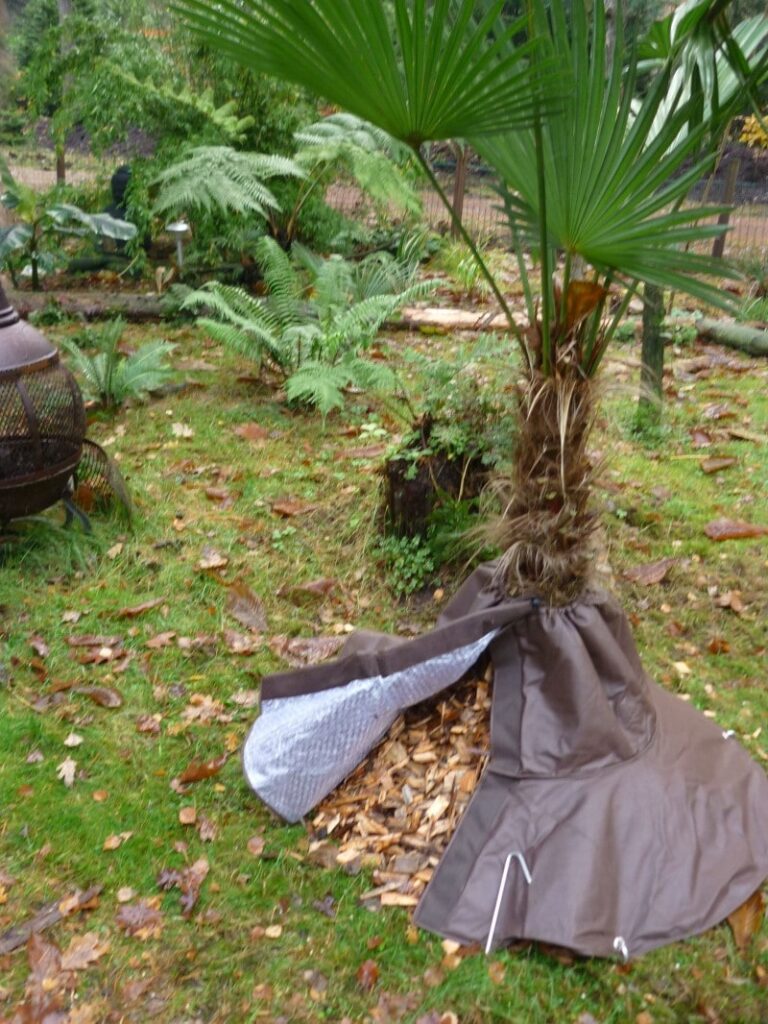
- Using a Protective Cover: Wrapping a breathable cloth or burlap around the palm tree’s canopy can shield it from cold winds and snow. This method is more suitable for mature palms that have developed a strong root system.
- Choosing Cold-Resistant Palm Species: Selecting palm species that are naturally resistant to cold temperatures can be an effective long-term solution. Some palm species, such as the Trachycarpus fortunei, Brahea armata, and Butia capitata, are more tolerant of frost than others.
Cold-Resistant Palm Species
Some palm species, such as the Trachycarpus fortunei, Brahea armata, and Butia capitata, are more tolerant of frost than others. These palms may not be immune to cold temperatures but can withstand freezing conditions for extended periods. It’s essential to research different palm species and consult with local nurseries or gardening experts to determine which ones are suitable for your climate.
How to Protect Palms from Frost
To protect palms from frost, follow these steps:
- Remove Snow Quickly: Clear the snow from the palm tree’s canopy as soon as possible to prevent it from accumulating and causing damage. Use a broom or a gentle brush to remove the snow, taking care not to damage any branches.
- Add Mulch Around the Base: Applying a layer of mulch around the base of the palm tree can help insulate the roots and protect them from freezing temperatures. Choose an organic mulch like bark chips or straw that will break down slowly and add nutrients to the soil.
- Concime with Magnesium: Fertilizing the palms before winter can help prepare them for the cold weather. Use a balanced fertilizer that contains magnesium, which helps to harden the palm tree’s cells and protect it from frost damage.
Additional Tips
To further protect your palms, consider the following:
- Use a Tarp or Shade Cloth: Covering the palm tree’s canopy with a tarp or shade cloth during extreme weather conditions can provide extra protection. Make sure the cover is breathable to prevent moisture buildup.
- Monitor Weather Forecasts: Keep an eye on local weather forecasts to anticipate potential frost events and take action accordingly.
- Prune Dead Leaves: Prune any dead leaves or branches from the palm tree’s canopy to prevent damage and promote healthy growth.
- Check for Pests: Inspect your palms regularly for signs of pests like scale, mealybugs, or spider mites. Use organic pest control methods whenever possible.
Frequently Asked Questions
- Q: How often should I water my palms during winter?
A: Water your palms sparingly during the winter months, as they require less moisture due to reduced growth. Check the soil moisture by inserting a finger into the soil up to the first knuckle. - Q: Can I leave my palm tree outside year-round in cold climates?
A: No, it’s not recommended to leave a palm tree outside in extreme cold weather for extended periods. Young palms or those that are sensitive to cold temperatures may require additional protection during winter. - Q: How can I identify cold-resistant palm species?
A: Research different palm species and consult with local nurseries or gardening experts to determine which ones are suitable for your climate. Look for palm species that have a reputation for tolerating frost and cold temperatures. - Q: Can I use any type of cloth to cover my palms during winter?
A: No, only breathable cloths like burlap or mesh can provide adequate protection while still allowing the palm tree’s canopy to receive sunlight and air circulation. - Q: How long does it take for a cold-resistant palm species to mature?
A: The maturation period of a cold-resistant palm species varies depending on factors such as climate, soil quality, and care. Some palm species may take 10-15 years to reach maturity, while others may take longer. - Q: Can I grow palms in containers indoors during winter?
A: Yes, but ensure the container is large enough to accommodate the palm tree’s root system and provide adequate light and air circulation. Choose a well-draining potting mix and fertilize your palms regularly during the growing season.
Common Mistakes
When protecting palms from cold, it’s essential to avoid common mistakes that can damage or kill your palm trees:
- Not providing enough protection: Failing to provide sufficient protection for your palms during winter can lead to frost damage and root rot.
- Overwatering: Overwatering your palms during the winter months can cause roots to become waterlogged, leading to root rot and other serious problems.
- Not monitoring weather forecasts: Failing to monitor local weather forecasts can lead to missed opportunities for protecting your palms from extreme weather conditions.
Conclusion
Protecting palm trees from cold is crucial to ensure their health and longevity. By following these guidelines and selecting cold-resistant palm species, you can enjoy a thriving and healthy palm garden year-round. Remember to provide adequate protection during winter, water sparingly, and monitor local weather forecasts to anticipate potential frost events. With proper care and attention, your palms will flourish in even the most challenging climates.


