
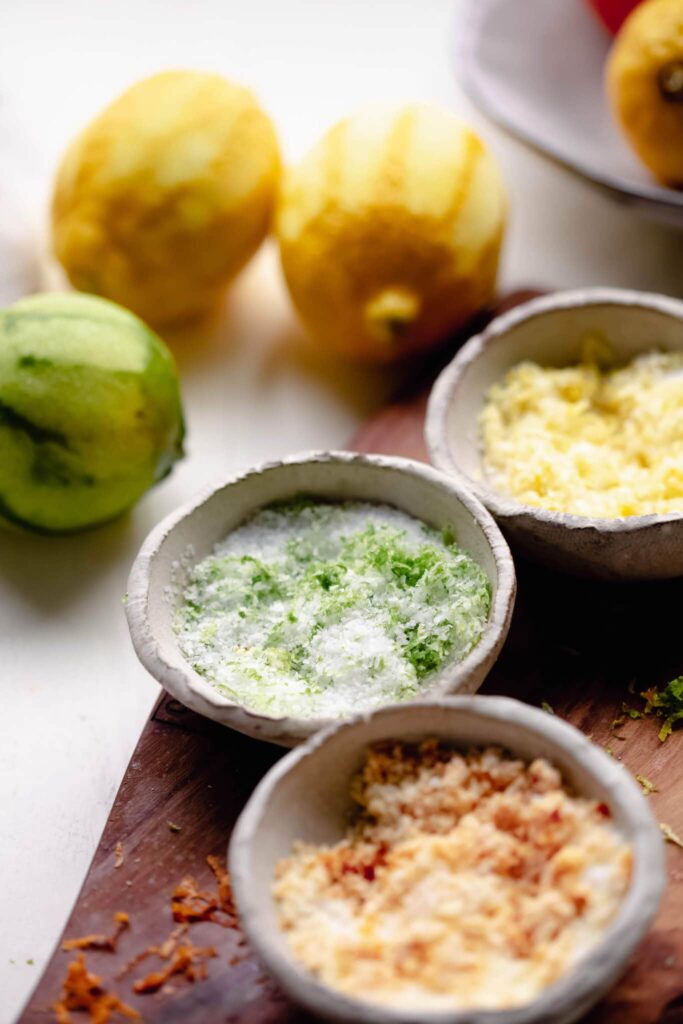
In the world of cooking, there’s nothing quite like the addition of aromatic flavors to elevate a dish from ordinary to extraordinary. One way to achieve this is by using homemade aromatic salts. These blends of salt, herbs, spices, and other ingredients can add depth, complexity, and a burst of flavor to any meal.
What is Aromatic Salt?
Aromatic salts are a type of seasoning blend that combines salt with various herbs, spices, and aromatics to create unique flavors. Unlike mass-produced aromatic salts found in stores, homemade aromatic salts can be made using natural ingredients and tailored to your taste preferences. This means you can experiment with different combinations of ingredients to create custom blends that reflect your culinary style.
The Dangers of Monosodium Glutamate (MSG)
Many commercial aromatic salts contain monosodium glutamate (MSG), an artificial ingredient that has been linked to health problems such as headaches, digestive issues, and high blood pressure. While not all MSG is created equal, it’s still best to avoid it whenever possible.
Making Homemade Aromatic Salts
Making homemade aromatic salts is a fun and rewarding process that requires minimal ingredients and effort. With a few simple steps, you can create unique and delicious flavors that will elevate your cooking and add depth to your meals.
Lemon and Orange-Based Salts: A Beginner’s Guide
In this article, we’ll focus on making two popular types of aromatic salts: lemon and orange-based. Both are easy to make and require minimal ingredients, making them perfect for beginners.
Ingredients Needed for Lemon and Orange-Based Salts
- 5 tablespoons of coarse salt
- Scorza di limone (limon zest)
- Scorza di arancia (orange peel)
Preparing the Lemon and Orange Zests
To prepare the zests, simply grate or cut them into small pieces. Be sure to only take the colorful parts, as the white pith can make the salt taste bitter.
Making the Salts
- In a food processor or blender, combine the coarse salt, lemon zest, and orange peel.
- Process until the mixture is well combined and the zests are evenly distributed throughout the salt.
- Taste and adjust the seasoning as needed.
Tips for Making Aromatic Salts
- Use a variety of herbs and spices to create unique flavors.
- Experiment with different citrus fruits, such as lemons, oranges, limes, and grapefruits.
- Add aromatics like anise, sambuca, thyme, or rose petals to create complex flavors.
Using Your Homemade Aromatic Salts
Aromatic salts are versatile and can be used in a variety of dishes, from salads and soups to roasted meats and vegetables. Try using your homemade lemon and orange-based salts to add flavor to:
- Insalate (salad dressings)
- Risottos
- Verdure (vegetables)
- Zuppe (soups)
- Arrosti in agrodolce (roasted meats with a sweet and sour glaze)
Storing Your Homemade Aromatic Salts
Once made, store your aromatic salts in airtight containers or glass jars with tight-fitting lids. This will help preserve the flavors and aromas of the ingredients.
Other Types of Aromatic Salts
While lemon and orange-based salts are popular, you can experiment with other flavor combinations to create unique aromatic salts. Some ideas include:
- Anise and sambuca
- Thyme and rose petals
- Citrus fruits like lemons, oranges, limes, and grapefruits
Tips for Experimenting with Aromatic Salts
- Start with small batches to ensure the flavors are balanced.
- Be patient and experiment with different combinations of ingredients.
- Don’t be afraid to try new things and adjust the seasoning to taste.
Using Aromatic Salts in Different Dishes
Aromatic salts can be used in a variety of dishes, from simple salads to complex roasted meats. Here are some ideas for using aromatic salts:
- Use lemon-based salt to add flavor to grilled fish or chicken.
- Add orange-based salt to your favorite risotto recipe for a burst of citrus flavor.
- Sprinkle thyme and rose petal salt over roasted vegetables for a fragrant and flavorful side dish.
Benefits of Making Your Own Aromatic Salts
Making your own aromatic salts has several benefits, including:
- Control over the ingredients: By making your own aromatic salts, you can choose the ingredients that go into them.
- Customization: With homemade aromatic salts, you can create custom blends that reflect your culinary style.
- Cost-effective: Making your own aromatic salts can be cost-effective in the long run, as you won’t have to purchase expensive commercial products.
Conclusion
Making homemade aromatic salts is a fun and rewarding process that allows you to control the ingredients and flavors used. With a few simple steps, you can create unique and delicious flavors that will elevate your cooking and add depth to your meals. Whether you’re a seasoned chef or a beginner in the kitchen, making homemade aromatic salts is a great way to experiment with new flavors and techniques.
FAQs
- Q: What is MSG?
A: Monosodium glutamate (MSG) is an artificial ingredient commonly used in food production to enhance flavor. - Q: Is MSG safe to eat?
A: While not all MSG is created equal, excessive consumption of MSG has been linked to health problems such as headaches and digestive issues. - Q: Can I use other citrus fruits for my aromatic salt?
A: Yes! Experiment with different citrus fruits like lemons, oranges, limes, and grapefruits to create unique flavors. - Q: How do I store my homemade aromatic salts?
A: Store your aromatic salts in airtight containers or glass jars with tight-fitting lids to preserve the flavors and aromas. - Q: Can I use MSG-free alternatives?
A: Yes! Look for MSG-free seasoning blends or create your own using natural ingredients. - Q: How do I make other types of aromatic salts?
A: Experiment with different herb and spice combinations, such as anise and sambuca, thyme and rose petals, or citrus fruits like lemons, oranges, limes, and grapefruits. - Q: What are some common uses for aromatic salts?
A: Aromatic salts can be used in salads, risottos, roasted meats and vegetables, soups, and as a finishing touch for dishes. - Q: Can I use aromatic salts for baking?
A: Yes! Use aromatic salts to add depth and complexity to baked goods like bread, cakes, and cookies.
By following the tips and techniques outlined in this article, you can create your own unique aromatic salts that will elevate your cooking and add depth to your meals. Whether you’re a seasoned chef or a beginner in the kitchen, making homemade aromatic salts is a great way to experiment with new flavors and techniques.


