
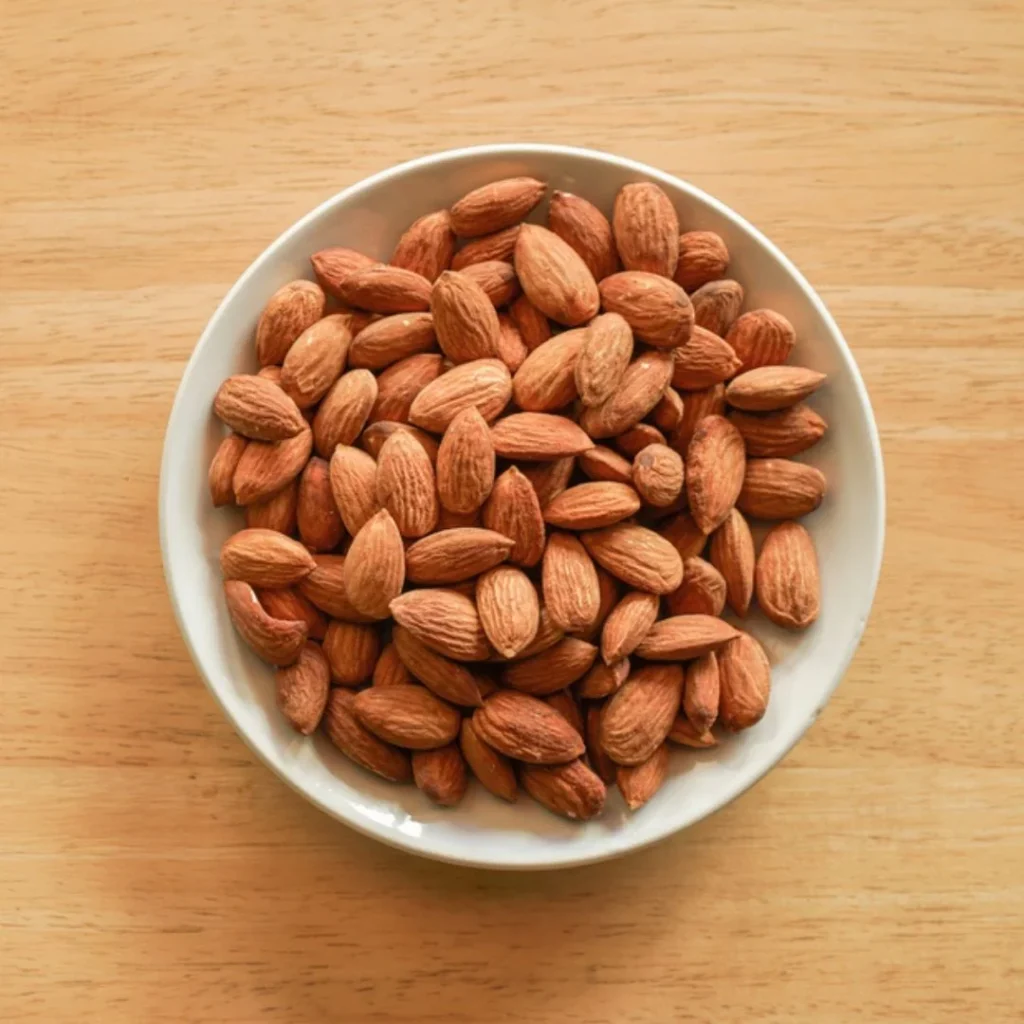
In the world of nuts, there’s a type that stands out for its distinct flavor and aroma: the amaretti. But have you ever wondered what makes these bitter treats so special? In this article, we’ll delve into the fascinating world of Amara Prunus, exploring its properties, content of cyanide, essential oils, and uses in medicine.
Understanding Amara Prunus
Amara Prunus is a variety of the Prunus dulcis tree, which also produces the sweet almond. The main difference between these two varieties lies in their seeds: while sweet almonds are primarily sweet, some trees produce more bitter seeds. This genetic difference is due to a single recessive gene that determines the bitterness of the seeds.
The Amara Prunus was discovered by selecting for this specific trait, allowing us to create a second variety with distinct characteristics. The Amara Prunus tree itself is slightly larger and more robust than the sweet almond tree. It’s also worth noting that the Amara Prunus tree can take up to 5-7 years to mature after planting, which may contribute to its relatively slower growth rate compared to other trees.
Separating Fact from Fiction: Cyanide in Amaretti
Many people assume that cyanide is present in amaretti due to their bitter taste. However, this couldn’t be further from the truth. In reality, the process of converting amygdalin (a glycoside) into cyanide is enzymatic and occurs only after ingestion.
The Role of Emulsin
In Amara Prunus seeds, there’s an enzyme called emulsin that plays a crucial role in this conversion. When exposed to water, emulsin breaks down the amygdalin into hydrogen cyanide (cyanide), benzaldehyde, and two glucose molecules. This reaction occurs only when amygdalin and emulsin come into contact.
However, since these enzymes are present separately within the seed cells, they never interact with each other naturally. This means that eating amaretti will not result in immediate cyanide poisoning.
Amygdalin: A Promising Anti-Tumor Agent?
Research has shown that amygdalin has potential as an anti-tumor agent due to its ability to release hydrogen cyanide. However, the National Institutes of Health (NIH) conducted trials on patients with cancer and found no significant benefits from using amigdalina.
In fact, the NIH concluded that amigdalina could be hazardous due to the risk of cyanide poisoning. The 1982 trial involved 178 cancer patients who received amigdalina treatment; none survived due to severe toxicity.
Medicinal History and Safety Precautions
Historically, extracts from Amara Prunus have been used in medicine, often with disastrous consequences for children and adults alike. Due to the high risk of cyanide poisoning, it is essential to remove all toxins from amaretti before consumption.
The lethal dose of cyanide for humans is estimated to be 0.5-3.5 mg/kg body weight – equivalent to consuming approximately 50 Amara Prunus seeds.
In 2010, the Food and Drug Administration (FDA) reported a small percentage of commercial sweet almonds may contain Amara Prunus seeds. Fortunately, all affected lots were quickly identified and removed from the market.
Cyanide Intoxication: Symptoms and Prevention
Consuming amaretti can cause severe symptoms associated with cyanide poisoning, including dizziness. The first sign is typically vertigo, followed by other symptoms like nausea and vomiting.
It’s crucial to remember that not all almonds are safe to eat – some may contain Amara Prunus seeds. Always purchase sweet almonds from reputable sources, as contamination is rare.
To avoid any potential risks associated with cyanide poisoning, it’s recommended to follow these guidelines:
- Only consume sweet almonds.
- Store almonds in a cool, dry place to prevent moisture from accumulating and triggering the breakdown of amygdalin.
- Be cautious when handling almonds, especially children and pets, as they may be more prone to accidental ingestion.
The Role of Essential Oils
Amara Prunus contains several essential oils that contribute to its unique flavor and aroma. The primary essential oil present in Amaretti is prunasin, which has been shown to have antimicrobial properties. However, the concentration of these essential oils can vary depending on factors such as soil quality, climate, and tree genetics.
Conclusion
In conclusion, amaretti are a delicious treat with unique properties due to their genetic makeup. While they’re not poisonous, they can cause severe symptoms if ingested without proper preparation. Understanding the role of emulsin and amygdalin will help you appreciate these bitter nuts for what they truly are – an opportunity to explore the fascinating world of botany.
Frequently Asked Questions
- Are amaretti toxic?
No, amaretti themselves are not poisonous, but they can cause severe symptoms if ingested without proper preparation. - Does Amara Prunus contain cyanide?
Cyanide is released during the breakdown of amygdalin due to enzymatic activity in the presence of water. - How do I safely consume amaretti?
Always remove all toxins from the almonds before consumption, and only purchase sweet almonds from reputable sources. - What are the symptoms of cyanide poisoning?
Symptoms include dizziness, nausea, vomiting, and more severe reactions in extreme cases. -
Can Amara Prunus be used as a source of anti-tumor agents?
Research has shown potential benefits but also significant risks due to toxicity and lack of conclusive evidence. -
Are all almonds safe to eat?
Some may contain Amara Prunus seeds; always purchase from reputable sources, as contamination is rare. - What should I do if I accidentally ingest a toxic almond?
Seek immediate medical attention in case of severe symptoms or poisoning. - Can amaretti be used medicinally?
Due to toxicity risks, it’s recommended to consult with a healthcare professional before using any almonds for medicinal purposes.
By understanding the intricacies of Amara Prunus and its properties, we can appreciate these unique nuts for their distinct characteristics while ensuring our safety and health.


