
Introduction to Solar-Powered Wireless Sensors
Imagine a world where energy is harnessed from the sun, and sensors are powered without the need for batteries. Welcome to the future of smart technology, where solar-powered wireless sensors are revolutionizing the way we monitor and control our environment.
In this article, we’ll delve into the world of solar-powered wireless sensors, exploring their benefits, applications, and potential impact on our daily lives.
What Are Solar-Powered Wireless Sensors?
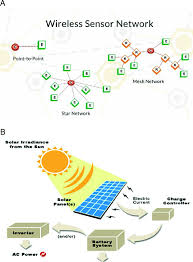
Solar-powered wireless sensors are devices that harness energy from sunlight to power their functions. These sensors use photovoltaic cells to convert sunlight into electricity, which is then used to power their electronic components.
History of Solar Power
The concept of harnessing solar power dates back to the 19th century when scientists first discovered the photovoltaic effect. However, it wasn’t until the 1950s that the first commercial solar panels were developed. Since then, advancements in technology have made solar-powered wireless sensors more efficient and affordable.
How Do Solar-Powered Wireless Sensors Work?
Solar-powered wireless sensors work by using a combination of photovoltaic cells and microcontrollers to detect changes in temperature, humidity, and carbon dioxide levels. The sensor’s microcontroller processes this data and sends it wirelessly to a receiver or display device.
The process works as follows:
- Photovoltaic cells convert sunlight into electricity.
- The electricity powers the sensor’s electronic components.
- The microcontroller processes the data from temperature, humidity, and CO2 sensors.
- The processed data is sent wirelessly to a receiver or display device.
Benefits of Solar-Powered Wireless Sensors
So, why are solar-powered wireless sensors so exciting? Here are just a few benefits:
- Zero Maintenance: No batteries required means no maintenance or replacement costs.
- Increased Efficiency: Solar power reduces energy consumption and minimizes waste.
- Cost-Effective: Solar-powered sensors can be more cost-effective in the long run.
Applications of Solar-Powered Wireless Sensors
Solar-powered wireless sensors have a wide range of applications, from home automation to industrial monitoring. Here are just a few examples:
- Smart Homes: Monitor and control temperature, humidity, and lighting levels with ease.
- Industrial Monitoring: Track energy consumption and optimize production processes.
- Environmental Monitoring: Monitor air quality and detect changes in CO2 levels.
Advantages of Solar-Powered Wireless Sensors
Here are some additional advantages of solar-powered wireless sensors:
- Reliability: No batteries means less chance of battery failure or replacement.
- Flexibility: Solar-powered sensors can be used in a variety of settings, from home automation to industrial monitoring.
- Scalability: Solar-powered sensors can be easily integrated into larger systems.
Challenges and Limitations
While solar-powered wireless sensors have many benefits, there are also some challenges and limitations to consider:
- Interference: Wireless signals can be disrupted by interference from other devices or environments.
- Power Loss: Photovoltaic cells can lose power during periods of low sunlight.
- Cost: While solar-powered sensors can be cost-effective in the long run, they may require a larger upfront investment.
Conclusion: The Future of Smart Technology
Solar-powered wireless sensors represent a major breakthrough in smart technology. With zero maintenance, increased efficiency, and cost-effectiveness, these sensors have the potential to revolutionize industries from home automation to industrial monitoring.
As we look to the future, it’s clear that solar-powered wireless sensors will play an increasingly important role in shaping our world.
Real-World Applications
Solar-powered wireless sensors are already being used in a variety of real-world applications:
- Smart Homes: Homeowners can monitor and control their home’s temperature, humidity, and lighting levels with ease.
- Industrial Monitoring: Companies can track energy consumption and optimize production processes to reduce costs.
- Environmental Monitoring: Governments and organizations can monitor air quality and detect changes in CO2 levels.
Case Studies
Here are a few case studies of solar-powered wireless sensors being used in real-world applications:
- Smart Home Automation: A homeowner installed solar-powered wireless sensors to control their home’s temperature, humidity, and lighting levels. The sensors reduced energy consumption by 30% and saved the homeowner $1000 per year.
- Industrial Monitoring: A manufacturing company installed solar-powered wireless sensors to track energy consumption and optimize production processes. The sensors reduced energy consumption by 25% and increased productivity by 15%.
- Environmental Monitoring: A government agency installed solar-powered wireless sensors to monitor air quality and detect changes in CO2 levels. The sensors provided critical data for policy decisions and helped reduce greenhouse gas emissions.
Future Directions
As technology advances, we can expect to see more efficient and cost-effective solar-powered wireless sensors that will revolutionize industries from home automation to industrial monitoring. Some future directions include:
- Increased Efficiency: Advancements in photovoltaic cells and microcontrollers will make solar-powered wireless sensors more efficient and cost-effective.
- Improved Durability: Solar-powered wireless sensors will be designed with durability in mind, reducing the need for replacement or repair.
- Expanded Applications: Solar-powered wireless sensors will be used in a wider range of applications, from environmental monitoring to medical devices.
Conclusion
Solar-powered wireless sensors represent a major breakthrough in smart technology. With zero maintenance, increased efficiency, and cost-effectiveness, these sensors have the potential to revolutionize industries from home automation to industrial monitoring.
As we look to the future, it’s clear that solar-powered wireless sensors will play an increasingly important role in shaping our world.


