
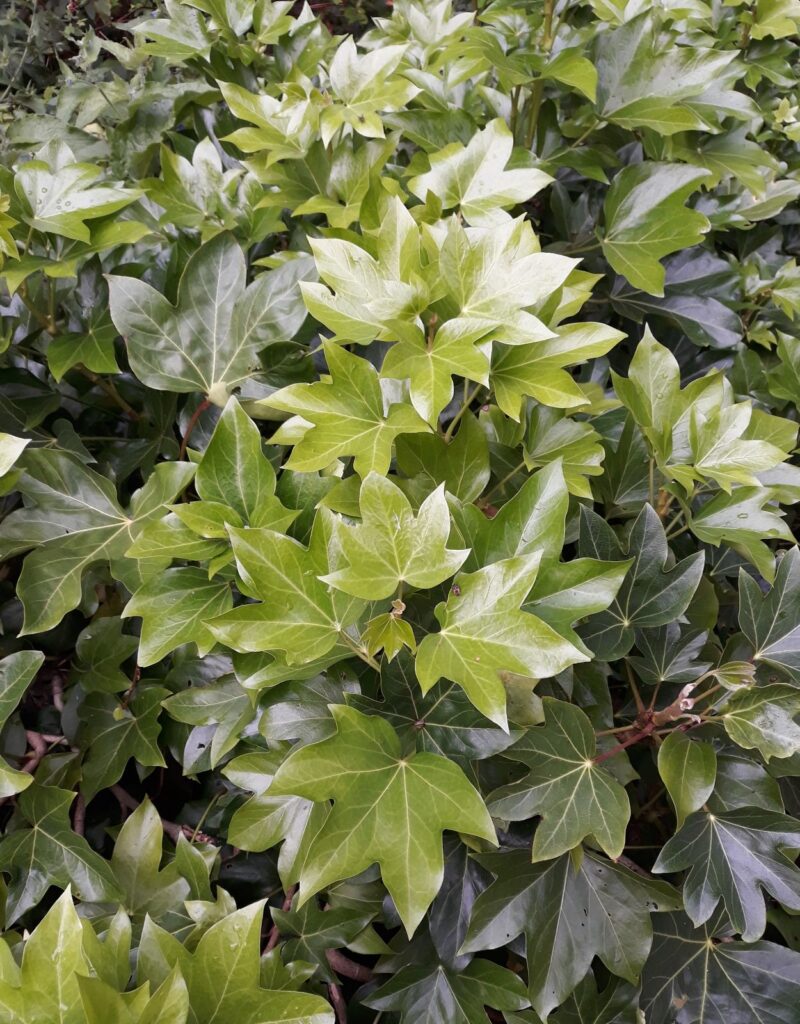
As we explore the world of plants, we often come across species that are both unique and fascinating. One such plant is the fatshedera, a hybrid intergeneric plant belonging to the Araliaceae family. Native to France, this plant was first selected in the early 1900s. In this article, we will delve into the characteristics of the fatshedera, its care requirements, potential pests and diseases, and more.
Characteristics of Fatshedera
The fatshedera is a hybrid plant resulting from the cross between fatsia japonica and Hedera helix. This plant boasts an impressive array of features that make it a popular choice among gardeners.
- It’s an evergreen, robust shrub or climber that can grow up to 90-100 cm in height.
- The leaves are large, with five to seven lobes, and have variegated or striped patterns.
- The plant has a fast growth rate and thrives in bright or partial shade environments.
- To maintain an aesthetically pleasing shape, it’s essential to prune the stems that tend to grow upright.
Choosing the Right Location for Your Fatshedera
When deciding where to place your fatshedera, consider its needs:
- Bright light is ideal, but be cautious not to expose it to direct sunlight for extended periods.
- The plant can tolerate a range of temperatures and humidity levels, making it suitable for both indoor and outdoor environments.
Preparing the Soil for Your Fatshedera
Fatshedera thrives in well-draining soil with a mix of sand and general-purpose potting soil. To ensure optimal growth, consider replacing the potting mix every two years during the spring season, increasing the container size by about 1-2 cm each time.
Watering Your Fatshedera: Tips for Healthy Hydration
Proper watering is crucial for your fatshedera’s health:
- Allow the soil to dry between waterings to prevent root rot.
- A balanced fertilizer can be added to the watering can once a month to promote healthy growth.
- If temperatures rise, consider using a humidifier to maintain optimal humidity levels.
Propagation and Reproduction: Understanding How Fatshedera Spreads
Fatshedera does not produce fertile seeds, so it relies on vegetative propagation:
- Cuttings from mature stems (about 7-10 cm long) are taken during the summer months.
- The cut ends are then rooted in a mixture of sand and peat moss, kept at around 18°C for optimal germination.
Common Pests and Diseases: Identifying Threats to Your Fatshedera
While fatshedera is generally resistant to pests and diseases, there are some potential threats:
- Brown spots on leaves may be caused by a lack of sunlight or poor air circulation.
- Aphids can cause damage if not addressed promptly.
Tips for Managing Pests and Diseases: A Proactive Approach
To ensure the health of your fatshedera:
- Regularly inspect your plant for signs of infestation or disease.
- Use organic or chemical pesticides to address issues promptly.
Pest Control Methods for Fatshedera
There are several methods to control pests on fatshedera, including:
- Pruning: Remove any damaged or infected leaves to prevent the spread of disease.
- Insecticidal Soap: Apply a mild insecticidal soap solution to the affected area.
- Neem Oil: Mix neem oil with water and spray it on the plant to repel pests.
Disease Prevention Methods for Fatshedera
Preventing diseases is easier than treating them:
- Regularly inspect your plant for signs of disease or infestation.
- Maintain a clean environment by removing any debris or fallen leaves.
- Use fungicides to treat fungal infections, and insecticidal soap to address pest issues.
FAQs: Frequently Asked Questions About Fatshedera Care
Here are some common questions about caring for your fatshedera:
- What kind of environment is ideal for growing fatshedera?
A well-lit, humid area with moderate temperatures would be perfect for growing a healthy fatshedera. - How often should I water my fatshedera?
Allow the soil to dry between waterings, and consider using a balanced fertilizer once a month. - Can fatshedera grow in small pots or can it thrive in large containers?
Both options are feasible; however, ensure that the container has adequate drainage holes for optimal growth.
Additional Tips for Fatshedera Care
Here are some additional tips to keep in mind when caring for your fatshedera:
- Rotate Your Plant: Rotate your fatshedera regularly to maintain an aesthetically pleasing shape.
- Fertilize: Fertilize your plant once a month with a balanced fertilizer.
- Prune: Prune your fatshedera regularly to maintain its shape and promote healthy growth.
Conclusion
The fatshedera is a unique and fascinating plant that requires careful attention to its needs. By understanding the characteristics of this plant, choosing the right location for it, preparing the soil, watering properly, propagating it through vegetative methods, and controlling pests and diseases, you’ll be well on your way to creating a thriving environment for your fatshedera. Happy planting!


