
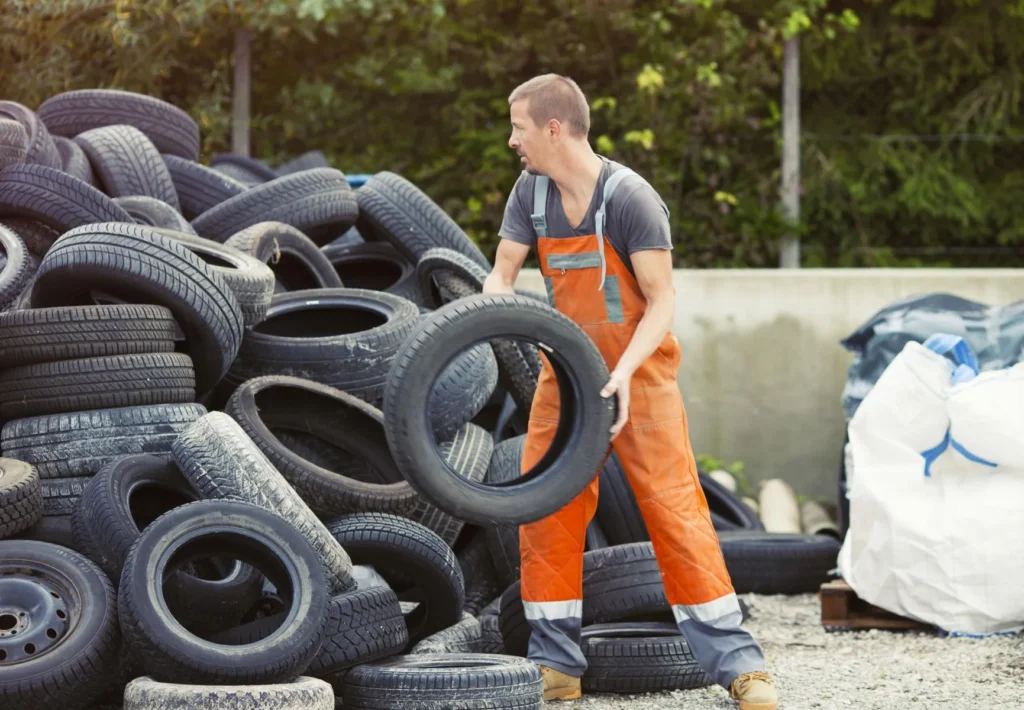
As we continue to navigate the complexities of sustainability and environmental protection, one material that has been gaining attention is the pneumatic tire. Once discarded as waste, these tires have found a new purpose in life – becoming asphalt, pavements, soundproofing materials, and even playground surfaces.
In this article, we’ll delve into the world of pneumatic tire recycling, exploring its benefits, current state, and future prospects. We’ll also address some common questions related to this innovative field.
What Does the Accord with the Ministry Entail?
The agreement between Ecopneus, a non-profit organization specializing in tire recycling, and the Ministry of Environment aims to establish a system for measuring and reducing carbon emissions from products made from recycled tires. This “carbon footprint” will be analyzed throughout the lifecycle of these products, identifying opportunities for improvement.
Which Companies Will Be Involved?
The voluntary agreement has set a 12-month deadline for companies involved in the production of goods using recycled tires to adopt a standardized methodology for calculating their carbon footprint. Ecopneus is leading this initiative, collaborating with all companies that manufacture products directly from recycled tires.
What Benefits Can the Country Expect?
By utilizing secondary materials recovered from tire recycling, Italy can develop a “green” market that leverages these resources to reduce waste and minimize environmental harm. This approach aligns with our company’s ongoing research and development efforts aimed at maximizing the value of recycled tires and fostering a thriving industry.
What Can Be Done with Recycled Tire Material?
The processed rubber from discarded tires has numerous applications, including:
- Road Construction: Adding it to asphalt for quieter and longer-lasting roads
- Playground Surfacing: Creating safety surfaces for playgrounds
- Sports Fields: Using it as a natural grass alternative in synthetic fields
- Soundproofing: Utilizing it to reduce noise pollution in buildings
What Products Are Most Easily Achievable from Tire Recycling?
When evaluating the innovation potential of an application, consider how well it leverages the inherent properties of rubber. The rubber in tires offers exceptional performance and durability, making it ideal for various products.
Some examples include:
- Cost-Effective Solutions: Developing products that are cheaper to produce using recycled materials
- Innovative Applications: Creating new goods or services that take advantage of tire-derived materials
What Are the Current Research Areas?
Research focuses primarily on developing technologies for processing and recycling tires. The most common method is mechanical crushing, but other approaches involving water jets or thermal treatments are being explored.
Some ongoing studies include:
- Advanced Recycling Techniques: Developing methods to break down tires using high-pressure water jets
- Thermal Processing: Exploring techniques that use heat or ultrasonic waves to devulcanize rubber
What Italian Laws Regulate Tire Material?
The DM n. 82/2011, which implements Article 228 of D.Lgs. 152/2006, outlines the operational and management guidelines for tire recycling systems. Ecopneus has been actively involved in shaping these regulations.
The Impact on Industry and Economy
The adoption of recycled materials from tires can have a significant impact on industries such as construction, sports equipment manufacturing, and soundproofing. The use of recycled tires can lead to cost savings, improved product quality, and increased sustainability.
Challenges and Opportunities
While there are many benefits to tire recycling, challenges such as waste management, environmental regulations, and public awareness need to be addressed. Additionally, opportunities exist for collaboration between industries, government agencies, and NGOs to promote sustainable practices and reduce waste.
Conclusion:
The world of pneumatic tire recycling is evolving rapidly, offering numerous benefits for the environment, economy, and society as a whole. By understanding the current state of this field and its potential applications, we can work together to create a more sustainable future.
Frequently Asked Questions (FAQs)
- What is the primary goal of the agreement between Ecopneus and the Ministry of Environment?
- To establish a system for measuring and reducing carbon emissions from products made from recycled tires.
- Which companies are involved in this initiative?
- Companies that manufacture products directly from recycled tires, led by Ecopneus.
- What benefits can the country expect from utilizing secondary materials recovered from tire recycling?
- Development of a “green” market and reduction of waste and environmental harm.
- How does the processed rubber from discarded tires have various applications?
- It is used in road construction, playground surfacing, sports fields, and soundproofing.
- What methods are being explored for recycling tires?
- Mechanical crushing, water jets, thermal treatments, and advanced recycling techniques.
- Can you provide examples of products that use recycled tire material?
- Asphalt, playground surfaces, synthetic sports fields, and soundproofing materials.
- What are the primary areas of research in the field of tire recycling?
- Development of technologies for processing and recycling tires.
- Which Italian laws regulate tire material?
- The DM n. 82/2011, which implements Article 228 of D.Lgs. 152/2006.
- How will the adoption of recycled materials from tires impact industry and economy?
- Cost savings, improved product quality, and increased sustainability are expected benefits.
By understanding the intricacies of tire recycling and its potential applications, we can work towards a more sustainable future for our planet.


