
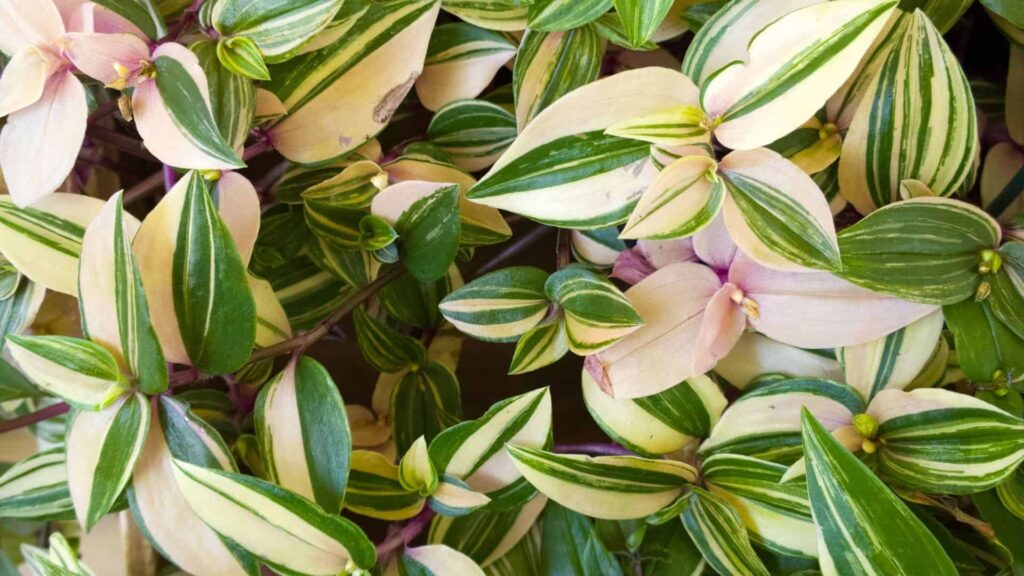
As a plant enthusiast, you might have come across the name “Tradescantia” before, but do you know what makes this genus so unique? In this article, we’ll delve into the characteristics, care requirements, and common issues associated with this fascinating plant.
What is Tradescantia?
Tradescantia is a genus of evergreen herbs belonging to the family Commelinaceae. This genus comprises numerous species, many of which are perennial, with a characteristic straggling habit. The majority of these plants originate from tropical regions in Central and South America but can also be found in Italy, where they’re known as “erba miseria” (wretched grass).
Characteristics of Tradescantia
So, what makes Tradescantia so special? Here are some key characteristics:
- Leaves: The leaves of Tradescantia plants are covered with soft, light hair and are typically green or colored in shades of pink or white. They can grow quite large, up to 10 inches long.
- Inflorescences: These plants produce inflorescences at the end of their stems, which contain three-petaled flowers that are often red or white in color but lack a strong scent.
- Portamento: Tradescantia plants have a spreading habit and can grow quite large, up to 3 feet long.
Care Requirements for Tradescantia
Tradescantia is an easy-to-care-for plant that thrives in warm temperatures. Here are some tips on how to care for your Tradescantia:
- Lighting: Tradescantia plants love direct sunlight but can also tolerate partial shade.
- Temperature: Keep your Tradescantia away from drafts and extreme temperatures, as they prefer daytime temperatures between 65°F (18°C) and 75°F (24°C).
- Watering: Water your Tradescantia sparingly during the winter months, as the soil can dry out quickly. During the spring and summer months, water more frequently, but make sure not to overwater.
- Pruning: Prune your Tradescantia regularly to maintain its shape and encourage new growth.
Types of Tradescantia
There are numerous species within the Tradescantia genus, each with unique characteristics. Here are some of the most popular species:
- Tradescantia pallida: This species is native to Mexico and is one of the most widely cultivated varieties.
- Tradescantia multiflora: As its name suggests, this plant produces many flowers in shades of pink, purple, or white.
- Tradescantia sillamontana: This plant has a more upright habit and can grow up to 40 inches long.
Common Issues with Tradescantia
Like any other plant, Tradescantia is not immune to pests and diseases. Here are some common issues you might encounter:
- Cocciniglia farinosa: If you notice small white spots on the underside of your leaves, it’s likely a case of cocciniglia farinosa.
- Afidi: These tiny insects can be difficult to spot but can cause damage to your plant if left unchecked.
- Overwatering: Tradescantia is prone to root rot if the soil is too wet for an extended period.
Propagation and Division
Propagating a Tradescantia plant can be done through stem cuttings, leaf cuttings, or division. Here are some tips on how to propagate your Tradescantia:
- Stem Cuttings: Take 4-6 inch long stem cuttings from the top of the plant and remove lower leaves. Place them in a pot filled with moist soil and keep it warm.
- Leaf Cuttings: Take healthy leaves from the plant, dry them slightly, and place them on a moist surface until roots develop.
- Division: Divide the plant into sections when it becomes too large for its container.
Pest Control
Here are some tips on how to control pests on your Tradescantia:
- Inspect Leaves Regularly: Check your plant regularly for any signs of pests, such as small white spots or tiny insects.
- Use Neem Oil: Mix neem oil with water and spray it on the affected area to kill the pests.
- Prune Infested Areas: Prune infested areas thoroughly to prevent further damage.
Common Problems with Tradescantia
Like any other plant, Tradescantia is prone to certain common problems. Here are some tips on how to address these issues:
- Yellow Leaves: Yellow leaves can be a sign of overwatering or underwatering. Adjust your watering schedule accordingly.
- Brown Tips: Brown tips on the leaves can be caused by dry air or cold temperatures. Keep your plant in a warm and humid environment.
Frequently Asked Questions (FAQs)
- What is the best way to propagate a Tradescantia plant?
- How often should I water my Tradescantia?
- Can Tradescantia be grown indoors or outdoors?
- What are some common pests that affect Tradescantia plants?
- How can I prevent overwatering in my Tradescantia plant?
- Are there any specific fertilization requirements for Tradescantia plants?
- Can Tradescantia be propagated through division?
- How often should I prune my Tradescantia plant?
By understanding the characteristics, care requirements, and common issues associated with Tradescantia, you can create a thriving environment for your plant and enjoy its unique beauty and benefits.
Conclusion
Tradescantia is a fascinating plant that thrives in warm temperatures and requires minimal care. By following these tips and guidelines, you can create a thriving environment for your Tradescantia plant and enjoy its unique beauty and benefits.
Tradescantia has numerous uses, including:
- Ornamental Plant: Tradescantia is often used as an ornamental plant in gardens and indoor spaces.
- Edible Leaves: Some species of Tradescantia have edible leaves that can be used in salads or cooked dishes.
- Medicinal Uses: Tradescantia has been used for medicinal purposes, including treating fever, rheumatism, and other ailments.
Tradescantia is a low-maintenance plant that requires minimal care. Here are some tips on how to care for your Tradescantia:
- Watering: Water your Tradescantia sparingly during the winter months.
- Pruning: Prune your Tradescantia regularly to maintain its shape and encourage new growth.
- Fertilization: Fertilize your Tradescantia with a balanced fertilizer once a month.
By following these tips, you can create a thriving environment for your Tradescantia plant and enjoy its unique beauty and benefits.


