
Introduction
The Ipomea, a beautiful ramping plant, is ideal for covering walls or surfaces that lack aesthetic appeal. It’s also relatively easy to care for and resistant to cold temperatures and harsh weather conditions. In this article, we’ll delve into the world of Ipomea, exploring its characteristics, varieties, cultivation, propagation, common issues, and more.
What is Ipomea?
Ipomea belongs to the Convolvulaceae family and comprises various species, including annuals and perennials with diverse leaf shapes and flower colors. Native to South America, these plants are widely cultivated in Europe for ornamental purposes, making them perfect for decorating walls, trellises, and other outdoor spaces.
Varieties of Ipomea
Ipomea comes in a wide range of varieties, each with its unique characteristics. Some notable examples include:
- Bella di Giorno (Convolvolo): A popular variety known for its straggling or climbing habit, reaching heights of up to 10 meters.
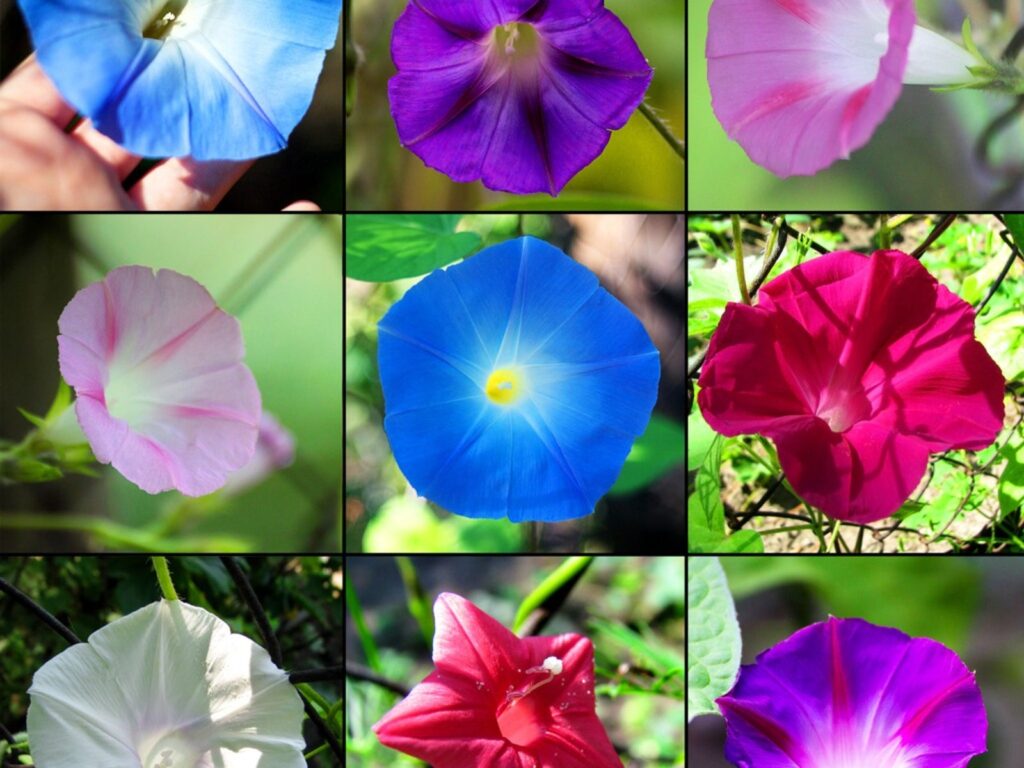
- Purpurea: An annual species featuring large, trumpet-shaped flowers in shades of pink and purple.
- Hederacea: Another annual variety with blue-hued flowers and white throats.
- Tricolor: A Mexican native that boasts a color-changing flower that transitions from blue to pink to purple.
Cultivating Ipomea
To grow Ipomea successfully, provide it with the right conditions:
- Lighting: Ipomea requires full sun to partial shade. If growing in pots, ensure good air circulation.
- Soil: Use a well-draining potting mix or fertile, moist soil for in-ground cultivation.
- Watering: Regular watering is essential, but avoid overwatering, which can lead to root rot.
Propagation and Multiplication
To encourage blooming:
- Plant seeds indoors 8-10 weeks before the last frost date.
- Sow seeds at a depth of about ¼ inch (6 mm) and keep them moist until germination.
- Transplant seedlings into individual pots once they have two sets of leaves.
Common Issues
While Ipomea is generally easy to care for, it may encounter some common problems:
- Pests: Check regularly for signs of pests like aphids, whiteflies, or spider mites.
- Diseases: Regularly inspect plants for fungal diseases like powdery mildew.
Pruning and Training
Regular pruning can help maintain the plant’s shape and encourage new growth. For climbing varieties:
- Tie stems to a trellis or stake using twine or clips.
- Prune regularly to control length and promote branching.
Pest Control
To manage pests, use integrated pest management techniques:
- Inspect plants regularly for signs of infestation.
- Use neem oil or insecticidal soap as a last resort.
- Consider using physical barriers like fine mesh or row covers.
Disease Management
Prevent fungal diseases by:
- Providing good air circulation and removing weeds that harbor disease.
- Watering carefully to avoid splashing water on the leaves.
- Applying fungicides according to the product’s instructions.
Conclusion
The Ipomea is a versatile and attractive plant that can add beauty to any outdoor space. With proper care and attention, it can thrive in a variety of conditions. By following these guidelines, you’ll be well on your way to enjoying the many benefits of growing this lovely plant.
FAQs
- What type of soil does Ipomea prefer?
Ipomea prefers well-draining potting mixes or fertile, moist soil. - How often should I water my Ipomea?
Regular watering is essential, but avoid overwatering, which can lead to root rot. Water your plant when the top inch of soil feels dry to the touch. - Can I grow Ipomea in containers?
Yes, Ipomea can thrive in pots or planters. Choose a well-draining potting mix and provide good air circulation. - What are some common pests that affect Ipomea?
Common pests include aphids, whiteflies, and spider mites. - How do I propagate my Ipomea?
Plant seeds indoors 8-10 weeks before the last frost date. Sow seeds at a depth of about ¼ inch (6 mm) and keep them moist until germination. Transplant seedlings into individual pots once they have two sets of leaves. - Can I grow Ipomea outdoors in cold climates?
Yes, but provide protection from extreme temperatures and frost damage. Mulch around the base of the plant to insulate it and prevent root damage. - Are there any specific diseases that affect Ipomea?
Regularly inspect plants for signs of fungal diseases like powdery mildew.
Caring for Established Plants
To keep your existing plants healthy:
- Fertilize regularly with a balanced fertilizer.
- Prune dead or damaged leaves to prevent the spread of disease.
- Mulch around the base of the plant to retain moisture and regulate soil temperature.
Conclusion
The Ipomea is a beautiful and versatile plant that can add charm to any outdoor space. With proper care and attention, it can thrive in various conditions. By following these guidelines, you’ll be well on your way to enjoying the many benefits of growing this lovely plant.
By understanding the characteristics, varieties, cultivation, propagation, common issues, pruning, pest control, disease management, and caring for established plants, you can successfully grow and maintain a thriving Ipomea garden.


