
As we gaze upon the beauty of a rose, it’s hard not to be captivated by its elegance and allure. The significance of roses has been debated for centuries, with various cultures and traditions attributing different meanings to this timeless flower. In this article, we’ll delve into the rich history and symbolism behind roses, exploring their meanings in different colors and contexts.
The Legend of Roses
In ancient Greek mythology, each flower was said to have originated from the divine actions of a goddess or god. The rose, however, has a unique story that transcends mere legend. According to myth, the rose was born from the tears of the goddess Aphrodite, who wept for the death of her lover, Adonis.
As the story goes, Aphrodite was so grief-stricken that she transformed Adonis into a beautiful flower – the rose. This tale not only solidified the connection between love and roses but also introduced the concept of the rose as a symbol of beauty, charm, and sensuality.
The Symbolism of Roses
Roses are often associated with various qualities, including:
- Beauty: The ultimate symbol of elegance and refinement.
- Love: Whether romantic, platonic, or self-love, roses represent the power of love in all its forms.
- Charm: Their intoxicating fragrance and captivating appearance make them a magnet for attraction.
- Sensuality: The rose’s sensual allure is undeniable, evoking feelings of desire and passion.
- Resilience: Roses embody strength, determination, and the ability to thrive in adversity.
The Significance of Rose Colors
Just like the colors of the rainbow, roses come in a kaleidoscope of hues, each carrying its unique meaning. Here are some of the most common rose colors and their associated symbolism:
- Red Roses: Represent passion, love, and intensity. Often used to express deep emotions or desires.
- White Roses: Symbolize purity, innocence, and new beginnings. Associated with weddings, anniversaries, and other significant life events.
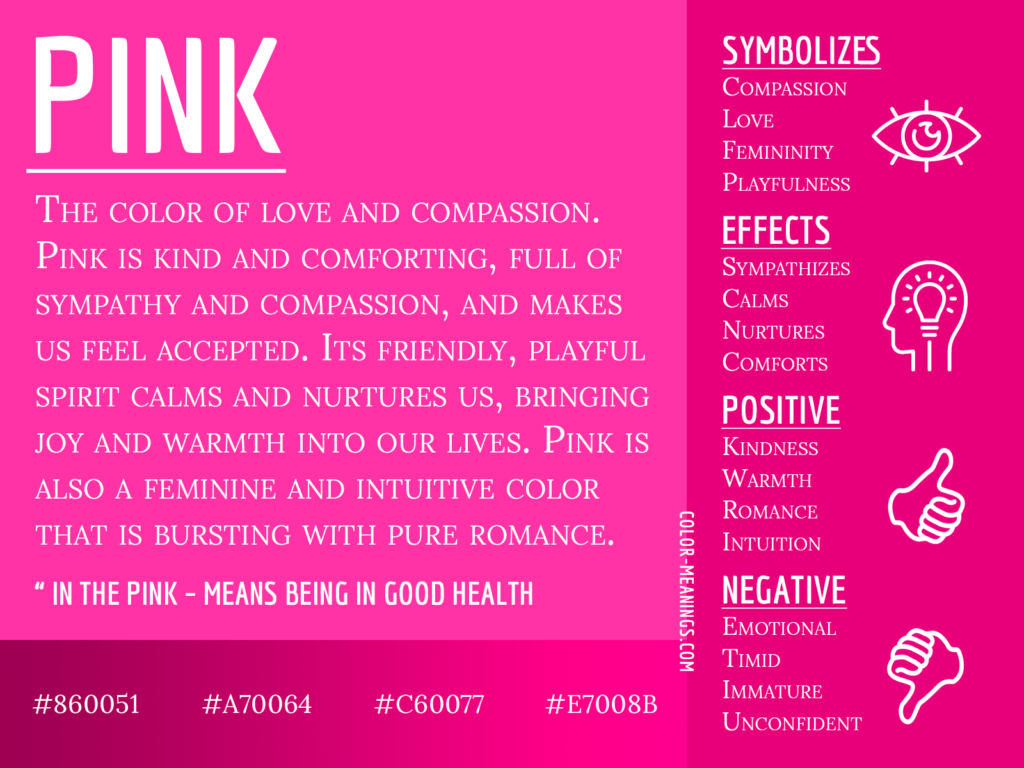
- Pink Roses: Embody appreciation, gratitude, and friendship. Perfect for expressing admiration or fondness.
- Yellow Roses: Represent joy, happiness, and celebration. Often used to brighten up a room or express congratulations.
- Purple Roses: Symbolize luxury, creativity, and wisdom. Associated with artistic expression and intellectual pursuits.
- Black Roses: Represent darkness, danger, and the unknown. Often used to convey secrecy or rebellion.
The Dark Side of Roses
While roses are often associated with beauty and love, they also have a darker side. The black rose, in particular, is shrouded in mystery and intrigue. This rare and elusive flower has become a popular motif in tattoo art and esoteric symbolism.
- Black Roses: Represent darkness, danger, and the unknown. Often used to convey secrecy or rebellion.
- Roses in Tattoo Art: A black rose on the skin can signify an individual’s desire for freedom, empowerment, or spiritual growth.
- The History of Black Roses: The origins of black roses are unclear, but they have been associated with various cultures and traditions throughout history.
Cultural Significance of Roses
Roses have played a significant role in many cultural and historical events. Here are some examples:
- Ancient Greece: In Greek mythology, roses were associated with the goddess Aphrodite and her lover Adonis.
- Medieval Europe: During the Middle Ages, roses were used as a symbol of love and courtly romance.
- Victorian Era: In the 19th century, roses became a popular motif in floral arrangements and bouquets, often used to express secret messages or emotions.
Modern Significance of Roses
While roses may have originated in ancient times, their significance remains relevant today. Here are some ways roses continue to impact our lives:
- Love and Romance: Roses remain a popular choice for expressing love and affection.
- Floral Arrangements: Roses are often used in floral arrangements and bouquets to add color, texture, and beauty.
- Cultural Celebrations: Roses play a significant role in various cultural celebrations, such as weddings, anniversaries, and holidays.
Conclusion
The meaning of roses is a multifaceted tapestry, woven from threads of history, mythology, and symbolism. Whether you’re expressing love, admiration, or rebellion, the rose is always there to represent your emotions in its most beautiful and alluring way.
-
Frequently Asked Questions
-
What does the color red mean for roses?
- Can white roses symbolize death or mourning?
- Is it true that black roses are a symbol of bad luck?
- How do I choose the right color rose for my special occasion?
- What is the significance of rose petals in wedding ceremonies?
The Science Behind Roses
Roses have been studied extensively in various fields, including botany, horticulture, and psychology. Here are some interesting facts about roses:
- Rose Varieties: There are over 150 different species of roses, each with its unique characteristics and features.
- Rose Care: Roses require specific care and maintenance to thrive, including regular watering, pruning, and fertilization.
- Rose Psychology: The symbolism and meaning behind roses can have a profound impact on our emotions and behavior.
Conclusion
The significance of roses extends far beyond their physical beauty. They represent the power of love, passion, and attraction, as well as the complexities of human emotion. Whether you’re using roses to express your feelings or simply appreciating their aesthetic value, they are sure to leave a lasting impression.
- Final Thoughts
In conclusion, the meaning of roses is a multifaceted concept that has evolved over time through various cultural and historical contexts. By exploring the symbolism behind roses, we can gain a deeper understanding of their significance in our lives and our emotions.
* Additional Resources
For those interested in learning more about the history, mythology, and symbolism of roses, here are some recommended resources:
- Books:
- “The Language of Flowers” by Vanessa Diffenbaugh
- “Roses Are Red” by Unknown Author
- Websites:
- The Victorian Rose Society
- The Rose Society of America


