
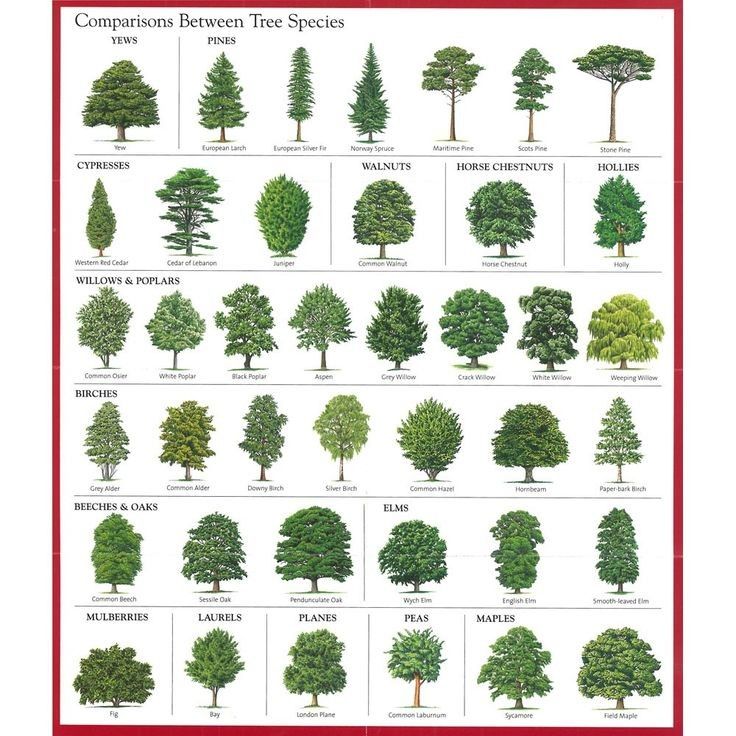
As someone who loves traveling in an ethical and sustainable way, it’s natural to want to explore the local flora and fauna while on vacation. Observing the unique vegetation and wildlife of a new region can be a fascinating experience, and learning to identify trees is a great way to deepen your connection with nature. Just like a birdwatcher would study ornithology before embarking on their next adventure, anyone looking to learn about trees can start by researching and familiarizing themselves with the basics.
Understanding Tree Identification
Experts in the field use taxonomic classifications that require the recognition of specific botanical features. While this might seem daunting, there are more accessible ways for nature enthusiasts to get started. For instance, someone passionate about the outdoors might focus on more visible characteristics like leaves, bark, or fruit. By focusing on these easily recognizable features, one can begin to develop an understanding of tree identification and start to build a foundation for further learning.
Did you know that Italy is home to approximately 150 native tree species? However, if we consider all tree species in total, that number jumps to over 700! While it’s impossible to remember them all, there are around 40 trees that represent the most common and iconic species found in Italian forests. Learning these can be a great starting point for anyone looking to develop their tree-identification skills.
Taking Your First Steps
For those new to exploring the world of vegetation, taking the first steps is easy. One way to begin is by visiting local botanical gardens or “orti botanici” in your area. These institutions often have extensive collections and resources dedicated to teaching people about trees and other plants. The Naples Botanical Garden is one notable example in Europe, offering a wide range of exhibits and educational programs for visitors.
If you can’t find an orchard nearby, don’t worry! Your local library is also a great resource. You can find specialized books on tree identification that cater to your specific interests or needs. Lastly, if you prefer to buy materials directly, major bookstores like Fnac and Feltrinelli have a wide range of titles focused on botany and natural history.
The web has become an invaluable tool in today’s digital age. One fantastic resource for learning about trees is the “Alberi e boschi italiani” portal, which offers interactive lessons and guides to help you learn to identify different tree species found throughout Italy. This website breaks down tree identification into distinct categories based on seven main environmental types:
- Mediterranean Forests
- Plain Forests
- Savannas of Small Streams
- Fluvial Forests and Wetlands
- Colliane (Hilly) Forests
- Mountainous Forests
- Alpine Forests
These categories provide a solid foundation for anyone looking to explore the world of trees in Italy.
Using Mobile Apps for Tree Identification
For those with smartphones, there are numerous databases and apps that can aid in tree identification. Some highly-regarded options include links to various mobile applications designed specifically for identifying trees and plants. Using these tools while on location can be a fantastic way to supplement your learning experience.
From “Alberi e boschi italiani” to specialized apps like iNaturalist, there’s no shortage of resources available to help you learn about the natural world around you. Mobile apps often provide detailed information on plant species, their habitats, and characteristics, allowing users to make more informed observations in the field.
Some notable features of mobile apps include:
- High-resolution images: These can be incredibly helpful when trying to identify a tree or plant based on visual characteristics.
- Detailed descriptions: Many apps provide comprehensive descriptions of each species, including information about its growth habits, bark, and leaves.
- Maps and locations: Apps often allow users to search for plants by location, making it easier to find and identify species in the wild.
Conclusion
Learning to identify trees is an exciting journey that requires patience and practice. Whether through visits to botanical gardens, educational books, or mobile apps, there are numerous paths to explore for those interested in tree identification. With persistence and dedication, anyone can become more attuned to the incredible diversity of trees found in Italy.
By combining traditional learning methods with modern technology, nature enthusiasts can develop a deeper understanding of the natural world around them. Whether you’re an avid hiker or simply someone who appreciates the beauty of nature, tree identification is a valuable skill that can enrich your experiences and deepen your connection with the environment.
Frequently Asked Questions (FAQs)
- What is the best way to get started with learning about tree identification?
-
Begin by researching online resources like the “Alberi e boschi italiani” portal or mobile apps designed for plant and tree identification. Take advantage of local botanical gardens, educational books, and other community resources to learn more.
-
How can I access educational materials on tree identification?
-
Visit your local library to explore a wide range of books focused on botany, nature, and environmental studies. Many libraries also offer free online courses or workshops on tree identification.
-
What types of trees should I focus on learning about first?
-
Start with those that are most commonly found in Italy’s forests and are easily recognizable due to their unique features or widespread presence. Begin with species like the oak, beech, or pine, which are often encountered during hikes or nature walks.
-
Can you provide any additional tips for successful tree identification?
-
Consider consulting multiple sources, practice observing the trees you encounter, and don’t be afraid to seek advice from experts if needed. Joining local nature groups or clubs can also provide valuable opportunities to learn from experienced tree identifiers.
-
How do I know which apps are reliable for identifying trees?
-
Look for well-established and reputable institutions or conservation groups behind the app, as they often provide accurate information based on scientific research. Check reviews from other users and ensure that the app is regularly updated with new species and features.
-
Can tree identification improve my overall understanding of nature and the environment?
-
Absolutely! Learning about trees can deepen your appreciation for biodiversity and ecosystems, fostering a broader connection with the natural world around you. Tree identification can also help you develop a greater respect for the interconnectedness of living organisms and their environments.
-
What role do mobile apps play in enhancing tree-identification skills?
-
Mobile apps serve as powerful tools that complement hands-on learning by providing detailed information on plant species, their habitats, and characteristics, allowing users to make more informed observations in the field. By using these tools in conjunction with traditional learning methods, nature enthusiasts can become more confident and skilled in identifying trees.
-
Can tree identification be a fun and engaging activity?
-
Absolutely! Learning about trees can be a fascinating adventure that encourages exploration and discovery. Joining local tree-identification groups or clubs can provide opportunities to meet like-minded individuals and learn from experts in the field.
-
How does tree identification contribute to conservation efforts?
-
By learning about trees, we can better understand their importance in ecosystems and develop more effective strategies for conservation. Tree identification is also essential for monitoring changes in forest health and responding to environmental challenges such as climate change.
-
Can anyone learn to identify trees, regardless of age or experience level?
- Yes! Anyone can develop the skills needed to identify trees, regardless of their background or experience level. With patience, practice, and access to reliable resources, individuals from all walks of life can become confident tree identifiers.


