
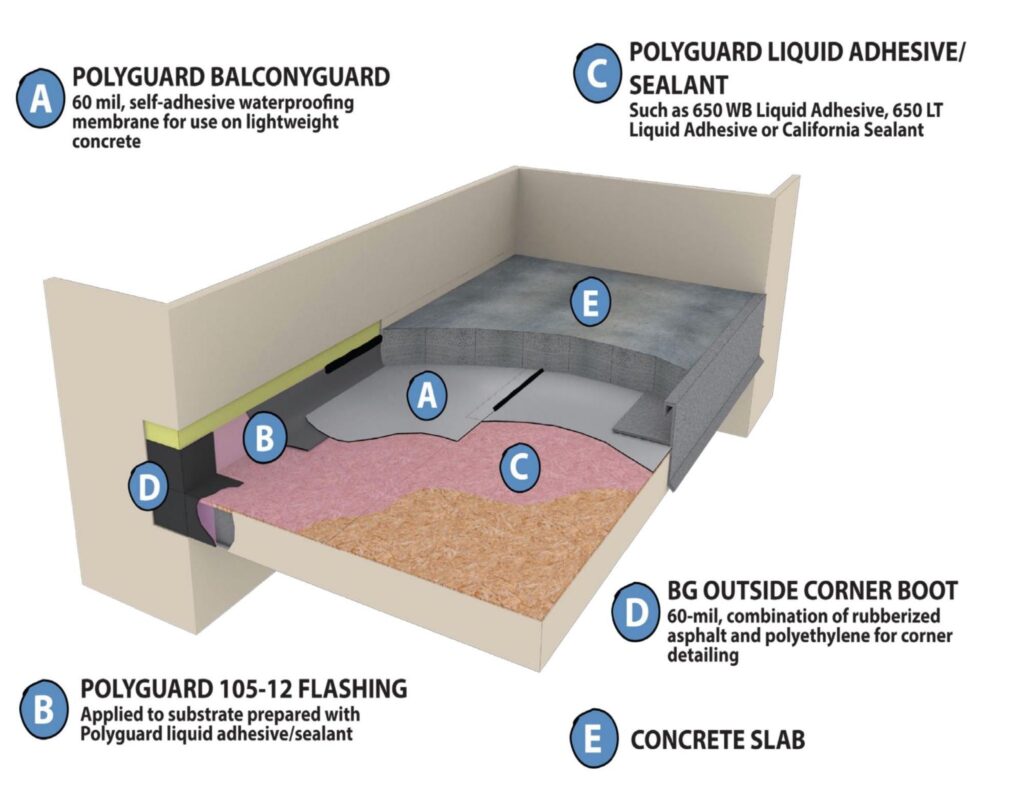
As we spend more time outdoors, it’s essential to ensure that our balconies and terraces are protected from the elements. A waterproof layer on the roof can make all the difference between enjoying a comfortable outdoor space and dealing with mold and water damage on walls. In this article, we’ll explore the different solutions for waterproofing balconies and terraces, including classic bituminous membranes, modern protective films, and liquid impermeable systems.
The Importance of Waterproofing Balconies and Terraces
Waterproofing your balcony or terrace is crucial to prevent water from seeping into the structure and causing damage. A simple leak can lead to costly repairs, mold growth, and even structural issues. Moreover, a waterproof layer can help prevent the growth of fungi and mildew, creating an unhealthy environment for both humans and plants.
Choosing the Right Waterproofing Material
When it comes to selecting the right material for your balcony or terrace, there are many options available at varying prices. Some materials require quick application with no drying time, while others need heat sources like torches for optimal performance. For example, self-adhesive membranes can be applied quickly and easily, but may not provide the best long-term protection.
Breathable Protective Films: A Suitable Option
Breathable protective films are a popular choice for waterproofing balconies and terraces. These films allow air circulation to keep the structure dry while providing a watertight seal. They’re suitable for wood balconies or low-slope roofs, making them an excellent option for many homeowners.
Liquid Impermeabilizers: A Quick and Easy Solution
Liquid impermeabilizers are another effective solution for waterproofing balconies and terraces. These solutions can be applied with rollers or brushes, making the process simple and quick. They’re highly resistant to water stagnation, UV rays, and weather conditions, making them a great choice for areas with harsh climates.
Cement-Based Impermeabilizers: A Strong Option
Cement-based impermeabilizers are suitable for concrete surfaces and provide excellent protection against water damage. However, they may require preparation work before installing ceramic tiles or other coverings. They’re particularly recommended for balcony, terrace, drainage pipes in cement, planters, and small pools.
Thermal Insulation-Accoppiated Impermeabilizing Systems
These systems offer both waterproofing and thermal insulation benefits. They provide excellent air and water retention, making them an ideal choice for homes with poor insulation. These systems consist of planar isolating panels coupled with polymer elastoplastomeric membranes, offering perfect adhesion and ease of application.
Waterproofing Terraces and Balconies with Membranes
For balconies and terraces, it’s possible to associate the waterproofing layer with a walkable vegetation cover. Planting a lawn on the balcony or in the balcony area is possible by following the principles of intensive or semi-intensive green roofs. This innovative approach not only provides a dry and comfortable outdoor space but also creates a beautiful and sustainable living environment.
Types of Waterproofing Materials
There are several types of waterproofing materials available, each with its own strengths and weaknesses. Some of the most common types include:
- Bituminous Membranes: These are flexible membranes made from bitumen and other additives. They’re suitable for low-slope roofs and can be applied in a variety of thicknesses.
- EPDM (Ethylene Propylene Diene Monomer) Membranes: EPDM is a popular choice for waterproofing balconies and terraces due to its high strength, durability, and resistance to UV rays and weather conditions.
- PVC Membranes: PVC membranes are known for their flexibility, water resistance, and ability to withstand extreme temperatures.
- Self-Adhesive Membranes: These membranes have a pre-applied adhesive that allows for quick and easy application. However, they may not provide the best long-term protection.
Application Methods
When it comes to applying waterproofing materials, there are several methods available. Some of the most common include:
- Roller Application: This method involves using a roller to apply the waterproofing material in a uniform layer.
- Brush Application: Brush application is a more labor-intensive process that requires skilled laborers to ensure an even and smooth finish.
- Spray Application: Spray application is a quick and efficient method that’s suitable for large areas or complex shapes.
Benefits of Waterproofing
Waterproofing your balcony or terrace offers several benefits, including:
- Protection against Water Damage: A waterproof layer prevents water from seeping into the structure, reducing the risk of costly repairs.
- Prevention of Mold Growth: By preventing moisture from accumulating on surfaces, you can reduce the growth of mold and mildew, creating a healthier environment for both humans and plants.
- Increased Durability: Waterproofing extends the lifespan of your balcony or terrace by protecting it against harsh weather conditions.
Conclusion
Waterproofing your balcony or terrace is essential to prevent water damage, mold growth, and structural issues. With so many options available, it’s crucial to choose the right material for your specific needs. Whether you opt for breathable protective films, liquid impermeabilizers, cement-based impermeabilizers, or thermal insulation-accoppiated impermeabilizing systems, there’s a solution that suits your budget and requirements.
FAQs
- What is the most effective way to waterproof my balcony or terrace?
The best method for waterproofing depends on the specific needs of your balcony or terrace. Consider factors like climate, material type, and desired level of protection when selecting the right solution. - Can I use a single layer of waterproofing material for both roof and walls?
No, it’s recommended to apply separate layers of waterproofing material for the roof and walls to ensure optimal protection against water damage. - How often should I inspect my balcony or terrace for signs of water damage?
Regular inspections are crucial to detecting any issues early on. Check for cracks, stains, and mold growth to catch potential problems before they escalate. - Can I plant a lawn on my balcony or terrace?
Yes, but it’s essential to follow the principles of intensive or semi-intensive green roofs to create a sustainable and dry living environment. - How long does it take for liquid impermeabilizers to fully cure?
Liquid impermeabilizers typically take several days to fully cure, depending on factors like temperature, humidity, and application method. - Can I use cement-based impermeabilizers with wood or other sensitive materials?
It’s recommended to consult a professional before applying cement-based impermeabilizers to ensure compatibility with your balcony or terrace materials. - What is the average cost of waterproofing a balcony or terrace?
The cost of waterproofing varies greatly depending on the chosen material, size of the area, and complexity of the project. Consult a professional to get an accurate estimate for your specific needs. - Are there any local regulations or restrictions on waterproofing balconies and terraces?
Yes, check with your local authorities to determine if there are any specific regulations or restrictions on waterproofing materials, installation methods, or other related factors.
Best Practices for Waterproofing
To ensure a successful waterproofing project, follow these best practices:
- Assess the Roof’s Condition: Before applying any waterproofing material, assess the roof’s condition to identify areas that require repair.
- Choose the Right Material: Select a waterproofing material suitable for your balcony or terrace’s specific needs and climate.
- Apply According to Instructions: Follow the manufacturer’s instructions for application, ensuring proper coverage and adhesion.
- Perform Regular Inspections: Regularly inspect your balcony or terrace for signs of water damage or other issues.
- Maintain Your Waterproofing Layer: Regularly clean and maintain your waterproofing layer to ensure optimal performance.
By following these best practices and choosing the right waterproofing material, you can enjoy a dry and comfortable outdoor space that’s protected from the elements.


