
Introduction to Sustainable Building Materials
The use of sustainable building materials is becoming increasingly popular, and for good reason. Wood, in particular, has been a cornerstone of construction for thousands of years. Not only is it an eco-friendly option, but it also offers numerous benefits for buildings and their occupants.
As we say goodbye to the old ways of building, wood is making a comeback. With the increasing focus on sustainability, architects and builders are turning to natural materials like wood to create structures that not only minimize environmental impact but also promote well-being.
A Brief History of Wood as a Construction Material
The history of wood as a construction material dates back to ancient civilizations, where it was used for everything from furniture to buildings. The ancient Egyptians, Greeks, and Romans all utilized wood in their constructions, often using trees such as cedar and cypress.
As we move forward in time, the use of wood continues to evolve. In the 19th century, new technologies emerged that allowed for mass production of wooden products, making them more accessible to the general public. Today, wood remains a popular choice for building and construction projects due to its durability, versatility, and eco-friendliness.
The American Oak: A Sustainable Choice for Building
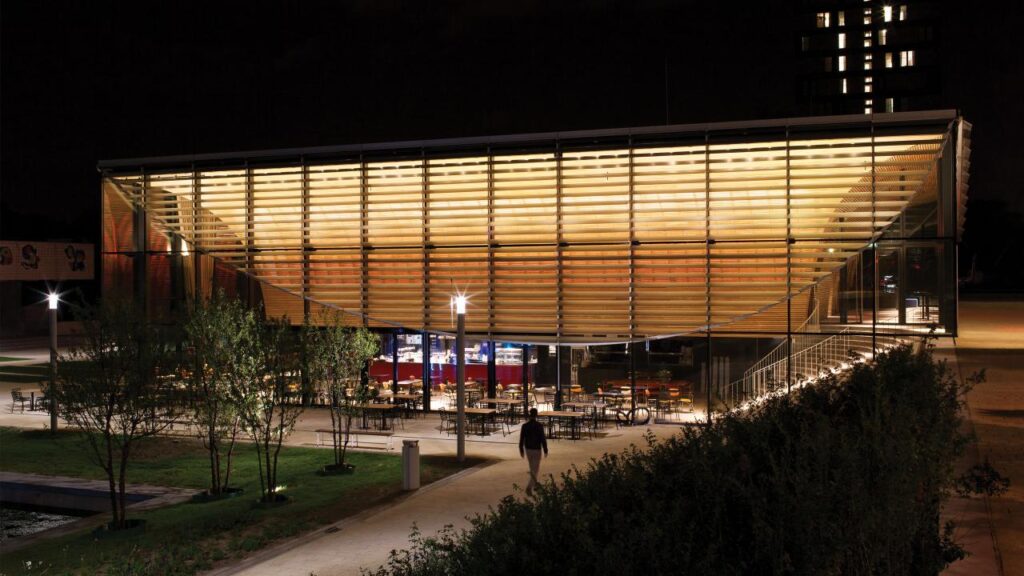
One type of wood that’s gaining popularity is American oak. Harvested responsibly and certified sustainably, it’s an excellent choice for building projects. With its impressive durability and aesthetic appeal, it’s no wonder why the University of Erasmus in Rotterdam has chosen to feature American oak in several of their recent renovations.
American oak is a hardwood that’s native to North America. It’s prized for its strength, stability, and resistance to decay and pests. The wood is also relatively lightweight, making it easy to work with and transport.
The Story Behind the Oak Installation at the University of Erasmus
In 2012, the University of Erasmus underwent a major renovation project, which included the installation of over 3000 square meters of American oak wood. This was part of a larger initiative to transform the campus into a more sustainable and modern space.
The renovation project aimed to create a unique and welcoming atmosphere for students, while also reducing environmental impact. The use of American oak in the design was chosen for its durability, aesthetic appeal, and eco-friendly credentials.
Why Choose American Oak for Your Next Project?
So, why should you consider using American oak in your next building project? Here are just a few reasons:
- Durability: American oak is incredibly durable, with some trees living up to 300 years.
- Aesthetic appeal: The wood has a beautiful, warm color that adds character to any space.
- Sustainability: When harvested responsibly and certified sustainably, American oak can be an eco-friendly choice.
The Benefits of Using Oak in Buildings
Using oak in buildings offers several benefits, including:
- Improved indoor air quality: Oak is known for its ability to purify the air, creating a healthier environment for occupants.
- Reduced noise pollution: The wood’s natural sound-absorbing properties make it an excellent choice for noisy spaces.
- Increased energy efficiency: Oak can help regulate temperatures and reduce energy consumption.
Case Study: The University of Erasmus Campus
The University of Erasmus’s recent renovation project is a perfect example of how American oak can be used to create a sustainable and modern space. By incorporating the wood into their design, they’ve not only reduced environmental impact but also created a unique and welcoming atmosphere for students.
Lessons Learned from the Oak Installation at the University of Erasmus
So, what did we learn from this project?
- Planning is key: Careful planning was essential to ensure that the oak installation was both aesthetically pleasing and functional.
- Collaboration is crucial: Working with architects, builders, and sustainability experts was vital to creating a successful project.
Conclusion
As we look to the future of sustainable building, it’s clear that American oak will play an increasingly important role. With its durability, aesthetic appeal, and eco-friendly credentials, it’s an excellent choice for any building project. Whether you’re looking to create a modern space or restore a historic building, American oak is definitely worth considering.
Frequently Asked Questions
- What makes American oak so special?
- American oak is known for its durability and aesthetic appeal, making it an excellent choice for building projects.
- Why should I choose oak over other sustainable materials?
- Oak offers several benefits, including improved indoor air quality, reduced noise pollution, and increased energy efficiency.
- How can I ensure that my oak installation is both functional and aesthetically pleasing?
- Careful planning and collaboration with experts in the field are essential to creating a successful project.
- What are some common challenges associated with using oak in building projects?
- Challenges may include finding sustainably sourced materials, ensuring proper installation, and addressing potential pests or decay issues.
- How can I incorporate oak into my next building project?
- Start by considering the benefits of using oak, researching sustainable sources, and working with experts to ensure a successful installation.
- What are some popular applications for American oak in buildings?
- Oak is often used for flooring, paneling, and roofing, as well as in furniture and decorative items.
- Can oak be used in historic buildings?
- Yes, oak can be used to restore or repurpose historic buildings, adding a touch of natural beauty while preserving the structure’s integrity.
By embracing American oak as a sustainable building material, we can create spaces that not only minimize environmental impact but also promote well-being and aesthetic appeal.


