
Introduction
Have you ever stopped to think about why certain colors evoke specific emotions or moods? For instance, why do warm colors like orange and red make us feel energized and enthusiastic, while cool colors like blue and green can create a sense of calmness and serenity? This article will delve into the world of color psychology, exploring how warm and cool colors affect our emotional state and provide practical tips on incorporating these colors into your life.
What are Warm and Cool Colors?
When we think of colors, we often associate them with emotions, moods, or even personality traits. However, this is not a subjective experience; there is actually a scientific basis for categorizing colors as warm or cool. Temperature is just one aspect that scientists use to divide colors into these two categories.
Warm Colors: The Energizers
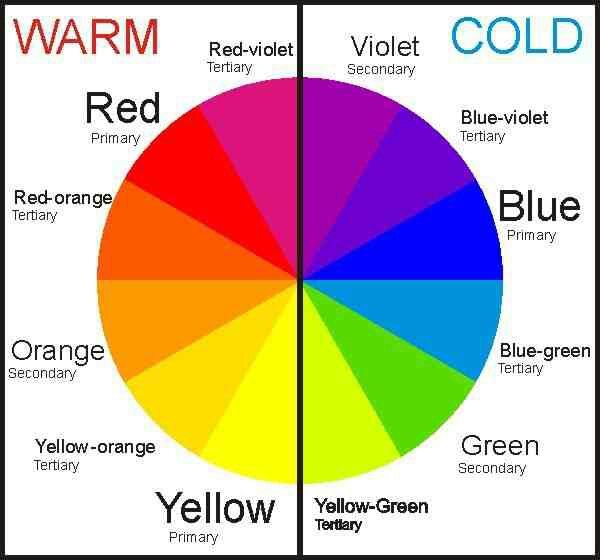
Warm colors are those that evoke feelings of warmth, energy, and excitement. They include shades like orange, red, yellow, and even the golden brown tones found in sun-kissed skin. These colors have a profound effect on our emotional state, as they stimulate our senses and increase alertness.
Some interesting facts about warm colors:
- The Sun’s Warmth: Warm colors are reminiscent of sunlight, which is why we often associate them with feelings of happiness and warmth.
- Biological Response: Warm colors can stimulate the release of serotonin, a neurotransmitter that regulates mood, appetite, and sleep.
- Emotional Expression: Colors like orange and red can convey emotions like excitement, enthusiasm, or even passion.
Cool Colors: The Calmers
On the other hand, cool colors are those that evoke feelings of calmness, serenity, and tranquility. They include shades like blue, green, purple, and even the pale blues found in clear summer skies. These colors have a soothing effect on our emotional state, as they create a sense of balance and stability.
Some interesting facts about cool colors:
- Nature’s Respite: Cool colors are often associated with natural environments, such as forests, lakes, or mountains, which can provide a sense of refuge from the stresses of everyday life.
- Reducing Anxiety: Colors like blue and green have been shown to reduce anxiety and promote relaxation by lowering cortisol levels and heart rate.
- Mood Enhancement: Cool colors can also boost mood by promoting feelings of calmness and serenity, which can be particularly beneficial for individuals experiencing stress or anxiety.
The Science Behind the Emotional Impact
While color psychology is not a hard science, there are some interesting theories that attempt to explain why certain colors evoke specific emotions. One such theory suggests that our brains process colors based on their wavelength and frequency, with warm colors typically having a shorter wavelength (around 600-700 nanometers) and cool colors having a longer wavelength (around 400-500 nanometers).
Applying Warm and Cool Colors in Your Life
So, how can you incorporate warm and cool colors into your life to enhance your emotional state? Here are some practical tips:
- Color Scheme: Choose a color scheme that reflects your personality or mood. For example, if you’re feeling energetic, use warm colors like orange or red.
- Home Decor: Select furniture, decor, and accessories that reflect your desired emotional state. Cool colors can create a calming atmosphere, while warm colors can stimulate energy and excitement.
- Fashion: Wear clothing that makes you feel confident and energized. Warm colors like yellow and orange can boost mood, while cool colors like blue and green can promote relaxation.
Conclusion
Color psychology is a complex field that continues to fascinate researchers and designers alike. By understanding the emotional impact of warm and cool colors, we can make informed decisions about how to incorporate these colors into our lives to enhance our well-being. Whether you’re looking to boost energy or promote relaxation, there’s a color out there for everyone.
FAQs
- What is the difference between warm and cool colors?
Warm colors evoke feelings of warmth, energy, and excitement, while cool colors create a sense of calmness, serenity, and tranquility. - Which colors are considered warm or cool?
Warm colors include orange, red, yellow, and golden brown, while cool colors include blue, green, purple, and pale blues. - How do warm colors affect our emotional state?
Warm colors stimulate the release of serotonin, a neurotransmitter that regulates mood, appetite, and sleep, promoting feelings of happiness and energy. - Which colors are best for reducing anxiety?
Colors like blue and green have been shown to reduce anxiety and promote relaxation by lowering cortisol levels and heart rate, promoting relaxation and calmness. - Can warm or cool colors affect our mood?
Yes, colors can impact our mood, with warm colors boosting energy and excitement, while cool colors promote relaxation and serenity.
Additional Resources
- Color Psychology: A Beginner’s Guide to Understanding the Emotional Impact of Colors
- The Science of Color: How Our Brains Process Colors
- Colorful Homes: Choosing a Color Scheme that Reflects Your Personality
By incorporating warm and cool colors into your life, you can enhance your emotional state, boost mood, and create a more harmonious living space. Experiment with different color schemes to find what works best for you!
Incorporating Warm and Cool Colors into Daily Life
- Morning Routine: Start your day with a warm color scheme, like orange or red, to boost energy and motivation.
- Workplace Decor: Use cool colors in the workplace to promote relaxation and focus.
- Travel: Choose destinations that match your desired emotional state. For example, visit a beach town if you’re feeling relaxed, or explore a vibrant city for an energetic vibe.
Common Color Mistakes
- Overusing Warm Colors: Too much warm color can lead to feelings of overwhelm and anxiety. Balance with cool colors to create harmony.
- Underusing Cool Colors: On the other hand, not enough cool colors can make you feel restless and ungrounded. Incorporate them into your life to promote relaxation.
Personal Color Palette
- Identify Your Colors: Take a quiz or explore different color palettes to find the colors that resonate with you.
- Experiment and Evolve: Try out new colors in your daily life, and adjust as needed to maintain balance and harmony.
By incorporating warm and cool colors into your life, you can create a more harmonious living space that reflects your personality and emotional state. Experiment with different color schemes to find what works best for you!


