
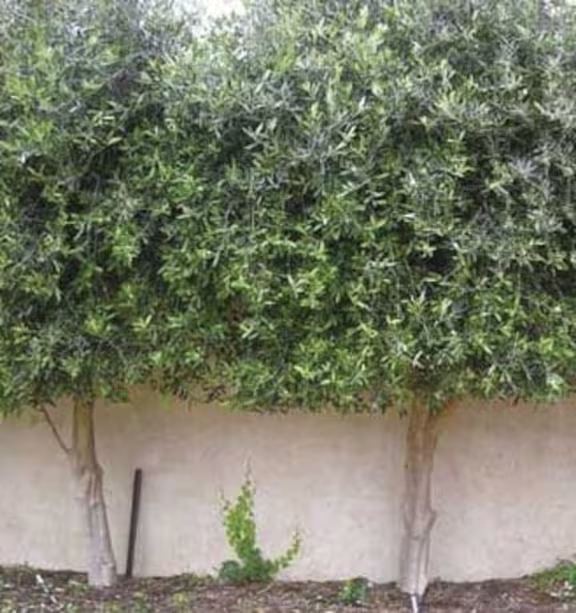
As a gardener, you’re likely familiar with the importance of shrubs and trees in creating a beautiful and functional outdoor space. However, when it comes to choosing the right type of plant for your garden, there’s often confusion about what makes a good option. In this article, we’ll explore the world of olive-leaf shrubs, also known as olivagno, and provide you with the knowledge you need to decide if this plant is right for you.
What is an Olive-leaf Shrub?
Olive-leaf shrubs are often overlooked when it comes to discussing gardening, but they’re incredibly versatile and beneficial plants. They’re typically used as ornamental plants or hedges, offering a beautiful green screen that’s also easy to maintain. But before we dive into the details, let’s talk about what makes an olive-leaf shrub unique.
These shrubs have a dense, evergreen growth habit, which means they remain green year-round and don’t shed leaves like other deciduous plants do. They come in a range of sizes, from small to medium, making them perfect for small gardens or large estates alike. The name “olivagno” comes from the Italian word for olive tree, but these shrubs are not related to actual olive trees.
Characteristics of Olive-leaf Shrubs
So, what makes an olive-leaf shrub so special? Here are some key characteristics to look out for:
- Form: Olive-leaf shrubs have a dense, bushy shape with multiple stems that grow upwards.
- Leaves: The leaves are small and lance-shaped, often with a silver or gray color on the underside. They’re also quite fragrant when in bloom.
- Fragrance: As mentioned earlier, olive-leaf shrubs produce small white flowers that are incredibly fragrant. These flowers are followed by red berries that attract birds and other wildlife.
Choosing the Right Location
When it comes to choosing a location for your olive-leaf shrub, there are a few things to keep in mind:
- Sunlight: Olive-leaf shrubs prefer full sun to partial shade. If you’re looking for a spot with direct sunlight, choose a south-facing location.
- Soil: These plants thrive in well-draining soil that’s rich in organic matter. If your soil is heavy clay or prone to waterlogging, consider raising it by adding compost or topsoil.
Growing and Maintaining Olive-leaf Shrubs
Now that we’ve covered the basics, let’s talk about how to grow and maintain these amazing shrubs:
- Watering: Olive-leaf shrubs prefer moist soil but can tolerate some drought. Water them regularly during hot summer months.
- Pruning: Prune your olive-leaf shrub annually to maintain its shape and promote healthy growth. Cut back any dead or damaged branches in the winter months.
Common Problems and Solutions
Like all plants, olive-leaf shrubs are susceptible to pests and diseases. Here are some common issues to watch out for:
- Pests: Keep an eye out for aphids, whiteflies, and spider mites, which can be treated with insecticidal soap or neem oil.
- Diseases: Regularly inspect your plant for signs of disease like fungal infections, leaf spot, or root rot. Treat any issues promptly to prevent them from spreading.
Tips for Growing Olive-leaf Shrubs in Different Regions
If you live in a region with extreme temperatures, humidity levels, or soil conditions, here are some additional tips for growing olive-leaf shrubs:
- USDA Hardiness Zones: Olive-leaf shrubs thrive in USDA hardiness zones 4-8. If you live outside of this range, consider using containers to protect the plant from harsh weather conditions.
- Humidity Levels: These plants prefer a moderate level of humidity (around 50-60%). To maintain optimal humidity levels, you can place the pot on a tray filled with water and pebbles or use a humidifier nearby.
- Soil pH: Olive-leaf shrubs prefer slightly acidic to neutral soil pH (around 6.0-7.0). If your soil is too alkaline, consider adding organic matter like compost to lower the pH.
Propagation Methods
If you want to share your olive-leaf shrub with friends or create new plants for your garden, here are some propagation methods to try:
- Stem Cuttings: Take 6-8 inch stem cuttings from the current season’s growth. Remove lower leaves and plant them in a well-draining potting mix. Water sparingly until roots develop.
- Layering: Bend a long stem down towards the ground and secure it with a rock or U-shaped wire. Cover the buried part of the stem with soil and wait for roots to form. Once roots have developed, cut the stem below the soil line to create a new plant.
- Division: Divide mature plants into smaller sections, making sure each section has at least one growing point (node). Replant the divided sections in well-draining potting mix.
Pest and Disease Management
To keep your olive-leaf shrub healthy and thriving, it’s essential to monitor for pests and diseases regularly. Here are some tips for managing common issues:
- Pest Control: Use neem oil or insecticidal soap to control pests like aphids, whiteflies, and spider mites.
- Disease Prevention: Remove infected branches immediately to prevent the spread of disease.
Conclusion
Growing olive-leaf shrubs is a great way to add some color and life to your garden without breaking the bank. With proper care and maintenance, these amazing plants can thrive in even the toughest conditions. Whether you’re looking for a low-maintenance hedge or a stunning ornamental plant, an olive-leaf shrub is definitely worth considering.
Frequently Asked Questions
- What is the best time to prune olive-leaf shrubs?
Pruning olive-leaf shrubs should be done in late winter or early spring, before new growth begins. - Can I grow olive-leaf shrubs in containers?
Yes, you can grow olive-leaf shrubs in large pots or containers. However, make sure the pot is at least 12 inches deep to accommodate the roots. - How often should I water my olive-leaf shrub?
Water your olive-leaf shrub regularly during hot summer months, but avoid overwatering. Check the soil moisture by inserting a finger into the soil up to the knuckle. - Can I propagate olive-leaf shrubs from seed?
Yes, you can propagate olive-leaf shrubs from seed, but it may take several years for the new plants to mature. Alternatively, you can try layering or grafting. - Are olive-leaf shrubs toxic to pets and humans?
Olive-leaf shrubs contain small amounts of saponins, which are toxic to cats and dogs if ingested in large quantities. However, the toxicity is relatively low, making them safe for most people to be around.


