
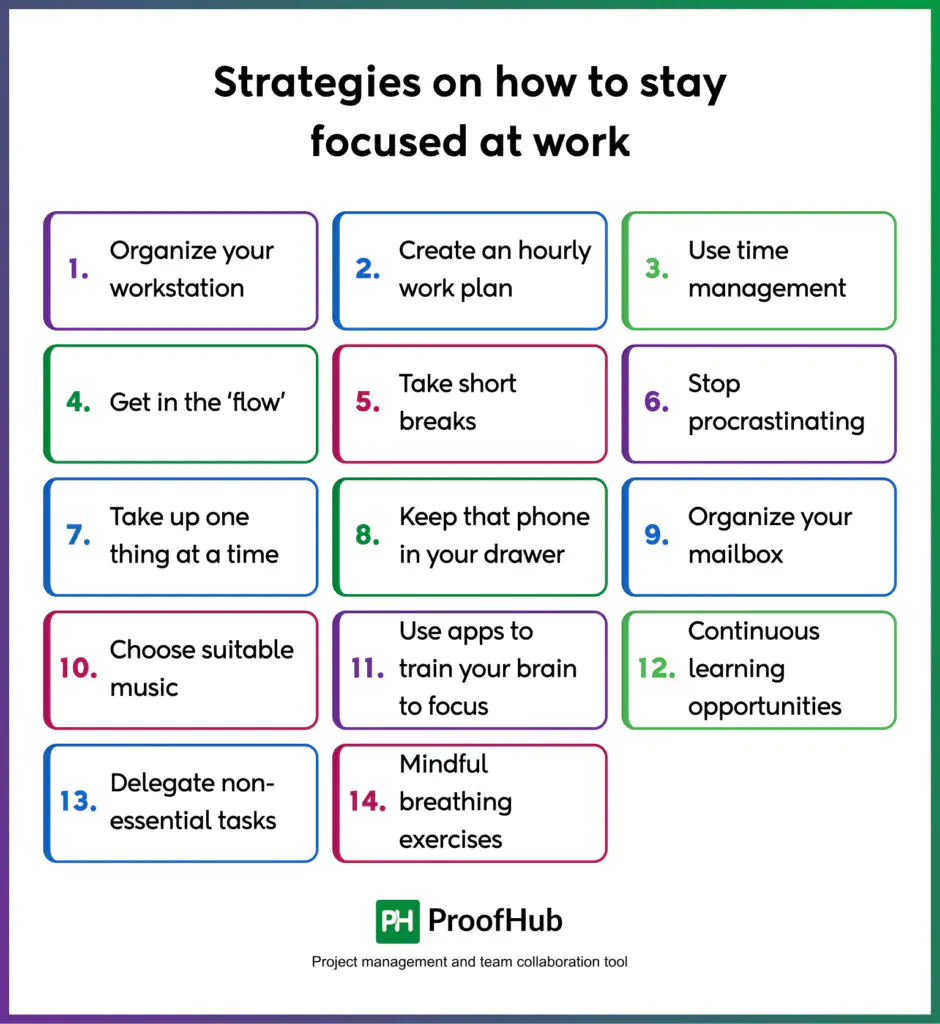
As we navigate the complexities of modern life, many of us find ourselves torn between our professional and personal aspirations. Should we prioritize work or learning? The answer, much like the solution, lies in finding a balance that works for us all. In this article, we’ll explore practical strategies for juggling multiple activities, ensuring that neither your career nor your education suffers as a result.
Understanding Your Priorities
Before we dive into specific solutions, it’s essential to identify what matters most to you. What drives your motivations? Is it financial security or personal growth? Taking the time to reflect on your priorities will help you make informed decisions about how to allocate your time and energy.
For instance, if work is your top priority, it may be best to dedicate your weekends and evenings to studying. On the other hand, if learning is more important, you might consider taking courses online or utilizing your vacation time to focus on personal development.
Choosing Online Courses
Online courses offer an excellent solution for those seeking to balance work and learning. These platforms provide flexibility, convenience, and access to a wide range of subjects. By choosing courses that cater to your interests and schedule, you can ensure that your studies complement your professional responsibilities.
When selecting online courses, consider the following factors:
- Professional certifications or credentials: Look for courses that offer recognized certifications or credits from reputable institutions.
- Personal development opportunities: Consider courses that focus on skills development, personal growth, or well-being.
- Flexibility in scheduling and pacing: Choose courses that allow you to set your own pace and schedule, so you can balance your learning with work and other responsibilities.
- Quality of instruction and support: Ensure that the course has experienced instructors, engaging materials, and adequate technical support.
Making the Most of Your Vacation Time
Vacations offer a unique opportunity to focus on learning without the pressures of work. Many students utilize their breaks to gain practical experience, such as internships or part-time jobs. Even those with full-time careers can benefit from dedicating time to personal growth during their vacations.
Whether you’re an intern or a working professional, taking advantage of your vacation time can have long-term benefits for your career and overall well-being. Consider using this time to:
- Gain practical experience in your field
- Develop new skills or hobbies
- Network with professionals in your industry
- Take breaks from the daily grind and recharge
Setting Realistic Goals
To maintain a healthy balance between work and learning, it’s crucial to set realistic goals. Avoid overcommitting yourself by breaking down larger objectives into smaller, manageable tasks. This approach will help you stay focused, reduce stress, and make steady progress in both areas of your life.
By setting achievable goals, you’ll be able to:
- Prioritize your activities more effectively
- Manage your time more efficiently
- Reduce feelings of overwhelm and anxiety
- Celebrate small victories along the way
Time Management Strategies
Effective time management is essential for balancing work and learning. Consider using the following strategies to optimize your schedule:
- Use a planner or calendar to stay organized and on track
- Prioritize tasks based on importance and deadlines
- Break down large tasks into smaller, manageable chunks
- Take regular breaks throughout the day to avoid burnout
- Learn to say “no” to non-essential commitments
Avoiding Common Pitfalls
When juggling multiple activities, it’s easy to fall into common pitfalls. Avoid these mistakes by:
- Overcommitting yourself: Be realistic about your capacity and avoid taking on too much at once.
- Procrastination: Break down large tasks into smaller steps, and focus on making progress one step at a time.
- Multitasking: Focus on one task at a time to ensure quality and accuracy.
Conclusion
Achieving a balance between work and learning requires intentionality, flexibility, and patience. By understanding your priorities, choosing online courses that align with your interests, making the most of your vacation time, setting realistic goals, using effective time management strategies, and avoiding common pitfalls, you can successfully juggle multiple activities without sacrificing your professional or personal aspirations.
Frequently Asked Questions
-
How do I prioritize my work and learning when both are equally important?
Consider identifying specific objectives for each area and allocate your time accordingly. Be flexible and willing to adjust your priorities as needed. -
What types of online courses should I choose?
Select courses that cater to your interests, schedule, and career goals. Consider professional certifications, personal development opportunities, and flexibility in scheduling and pacing. -
How can I make the most of my vacation time for learning?
Use this opportunity to gain practical experience, such as internships or part-time jobs. Take advantage of online courses or attend workshops and seminars that align with your interests. -
What are some common pitfalls when balancing work and learning?
Avoid overcommitting yourself by setting unrealistic goals or trying to do too much at once. Be patient, flexible, and willing to adjust your priorities as needed. -
How can I stay motivated and focused while juggling multiple activities?
Celebrate small victories along the way, and remind yourself of your long-term objectives. Find ways to make learning enjoyable and rewarding, such as incorporating games or interactive elements into your studies. -
What role does self-care play in balancing work and learning?
Prioritize self-care by maintaining a healthy work-life balance, getting enough sleep, exercising regularly, and taking breaks throughout the day. This will help you stay focused, motivated, and resilient in the face of challenges. -
How can I measure my progress and success when balancing work and learning?
Track your progress by setting measurable goals and evaluating your achievements along the way. Celebrate your successes, no matter how small they may seem, to maintain motivation and direction. -
What are some common mistakes to avoid when juggling multiple activities?
Avoid overcommitting yourself by setting unrealistic goals or trying to do too much at once. Be patient, flexible, and willing to adjust your priorities as needed.
By following these practical strategies and avoiding common pitfalls, you can successfully balance work and learning, achieving a harmonious blend of professional and personal growth. Remember to stay focused, motivated, and patient, and you’ll be well on your way to achieving your goals.


