
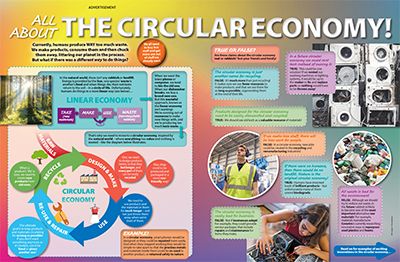
The Future of Economy: Understanding the Circular Economy
As we navigate the complexities of the modern world, it’s become increasingly clear that our traditional linear economy model is no longer sustainable. The consequences of this approach are evident in the growing concerns about climate change, social inequality, and health crises.
Fortunately, there’s a new way of thinking emerging – the circular economy. This concept is all about reusing resources, reducing waste, and promoting sustainability. It’s time for us to understand the benefits of this innovative approach and how it can shape our future.
What is the Circular Economy?
The circular economy has its roots in the 1960s, but it wasn’t until recently that governments, politicians, and large corporations began to take notice. The idea is simple: design products and systems that are restorative and regenerative by design.
The benefits of a circular economy are numerous:
- Reduced greenhouse gas emissions
- Decreased waste and pollution
- Increased resource efficiency
- Improved public health
How Can We Promote the Circular Economy?
There are several ways to promote the circular economy, but one approach that’s gaining traction is through education and awareness. Initiatives like PlayEnergy aim to engage young people in understanding the value of sustainable living.
PlayEnergy: A Pathway to Sustainability
ENEL has launched a project called PlayEnergy to educate students between 7 and 18 years old about the circular economy. The program consists of two phases:
- Online challenges that test students’ knowledge and skills
- An in-person hackathon, Campus Party, where teams can showcase their ideas
The project aims to develop critical thinking, teamwork, and creative problem-solving skills.
Why is Education Important?
Education plays a crucial role in shaping the next generation of leaders and innovators. By incorporating sustainability and environmental awareness into school curricula, we can empower young people to make informed decisions that benefit both themselves and the planet.
Leveraging Technology for Sustainable Living
Technology has the power to transform our relationship with the environment. From renewable energy sources to sustainable agriculture practices, there are countless innovations that can help us reduce waste and promote sustainability.
In recent years, we’ve seen significant advancements in green technologies, including electric vehicles, solar panels, and eco-friendly packaging materials.
The Role of Businesses in Promoting Sustainability
As consumers become increasingly aware of the environmental impact of their purchasing decisions, businesses must adapt to meet growing demand for sustainable products and services.
By incorporating circular economy principles into their operations, companies can reduce waste, conserve resources, and lower greenhouse gas emissions. This not only benefits the environment but also contributes to long-term business success.
The Importance of International Cooperation
Promoting a circular economy is a global challenge that requires international cooperation and collaboration. Governments, businesses, and civil society organizations must work together to address the complex issues surrounding sustainability and environmental degradation.
By sharing knowledge, best practices, and expertise, we can accelerate progress towards a more sustainable future.
Challenges and Opportunities
While the benefits of a circular economy are clear, there are also challenges and opportunities that must be addressed. Some of these include:
- Reducing waste and increasing resource efficiency
- Promoting sustainable consumption patterns
- Encouraging innovation and entrepreneurship in sustainable technologies
Addressing these challenges will require a concerted effort from governments, businesses, and civil society organizations.
Conclusion
The circular economy is a critical component of our future, offering a compelling alternative to traditional linear economic models. By engaging young people in sustainable practices and leveraging technology and innovation, we can create a more regenerative and restorative world for all.
As we move forward, it’s essential that we continue to promote sustainability education and awareness. Together, we can create a brighter future – one where humans and the planet thrive.
Frequently Asked Questions
- What is the circular economy?
The circular economy is an economic model that aims to reduce waste and promote sustainability by designing products and systems that are restorative and regenerative by design. - How can we promote the circular economy?
There are several ways to promote the circular economy, including education and awareness initiatives, technological innovations, and business practices that incorporate sustainable principles. - What is PlayEnergy?
PlayEnergy is a project launched by ENEL to educate students between 7 and 18 years old about the circular economy through online challenges and an in-person hackathon at Campus Party. - How can technology help us promote sustainability?
Technology has the power to transform our relationship with the environment, from renewable energy sources to sustainable agriculture practices. It can also help reduce waste and promote circular economy principles. - What role do businesses play in promoting sustainability?
Businesses must adapt to meet growing demand for sustainable products and services by incorporating circular economy principles into their operations.
The Role of Individuals
While governments, businesses, and organizations play a crucial role in promoting the circular economy, individuals also have an important part to play. By making conscious choices about our consumption patterns, we can contribute to reducing waste and promoting sustainability.
Some ways individuals can promote the circular economy include:
- Reducing energy consumption at home
- Using public transportation or biking
- Buying sustainable products
- Recycling and composting
Every small action counts, and collectively, these efforts can have a significant impact on our collective future.


