
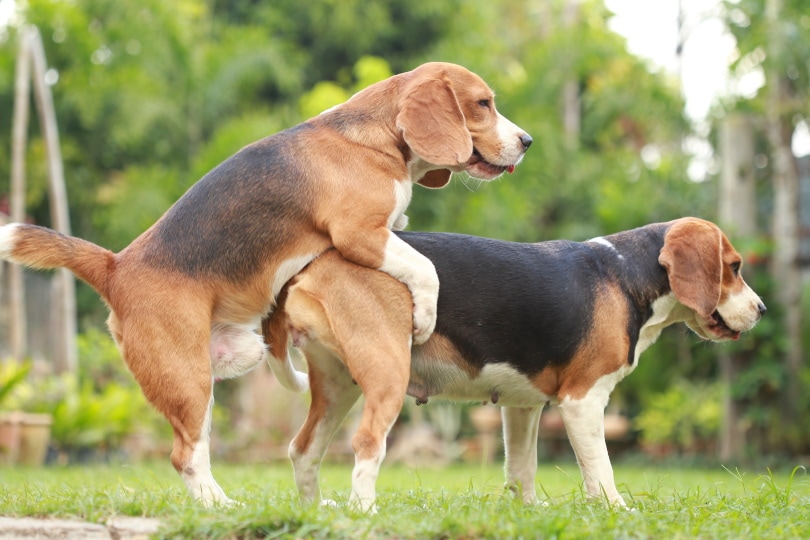
Understanding Canine Mating: A Comprehensive Guide
As a dog owner, it’s essential to understand the process of canine mating. This natural behavior can be fascinating to observe, but it’s crucial to approach it with knowledge and respect for both dogs and their needs. In this article, we’ll delve into the world of canine mating, covering its stages, duration, rules, and timing.
Pre-Mating Preparation
Before we dive into the nitty-gritty of canine mating, let’s cover some essential groundwork. The process begins with preparation, where both males and females need to be physically ready for mating. This involves a period of courtship, during which the male dog will engage in various behaviors to attract the female.
The Courtship Process
The courtship process is crucial in establishing a connection between the male and female dogs. It typically begins with the male dog circling around the female, sniffing her, and engaging in gentle play. This behavior is essential in establishing trust and intimacy between the two animals. The female will often respond to the male’s advances by swatting at him or turning away.
As the courtship progresses, the male dog may begin to display more intense behaviors, such as mounting or attempting to mate with the female. If the female accepts the male, she will typically lift her tail and allow him access to her reproductive area.
Mating and Post-Mating Care
Once mating occurs, it’s essential to provide post-mating care for both dogs. This includes monitoring their behavior, ensuring they are comfortable, and providing a safe environment for them to rest.
During the mating process, the male dog will typically ejaculate, which can take several minutes. It’s crucial to separate the dogs immediately after ejaculation to prevent any complications or stress.
Duration of Mating
The duration of canine mating varies greatly depending on factors such as breed, size, and individual temperament. On average, a successful mating session can last anywhere from 10 to 30 minutes.
Rules and Considerations
While canine mating is a natural process, there are certain rules and considerations to keep in mind:
Spaying or Neutering: Spaying or neutering your dog can significantly reduce the risk of unwanted breeding and prevent certain health issues.
Age and Size: Ensure that both dogs are mature enough for mating. In general, males should be around 12-18 months old, while females should be at least 6 months old.
Health and Well-being: Prioritize your dog’s health and well-being above all else. Mating can be stressful, so ensure that both dogs are comfortable and healthy before proceeding.
Timing of Mating
Mating timing is a critical factor in successful breeding. Female dogs typically enter heat (estrus) every 6-8 months, while males can mate throughout their lives. The ideal time to breed depends on various factors, including:
Breed: Different breeds have varying mating cycles and optimal times for breeding.
Size and Age: Smaller breeds may require earlier mating, while larger breeds may benefit from later maturation.
Health: Prioritize your dog’s health when determining the ideal time for mating.
Conclusion
Canine mating is a natural process that requires understanding, respect, and proper care. By following these guidelines and considering factors such as breed, age, size, and health, you can ensure a successful and stress-free breeding experience for both your dogs.
Frequently Asked Questions (FAQs)
- How often do dogs go into heat?
Female dogs typically enter heat every 6-8 months.
- Can I breed my dog if they are not yet mature?
No, breeding should wait until both dogs are mature enough for mating.
- What is the ideal time to breed my dog?
The ideal time to breed depends on various factors such as breed, size, age, and health.
- How long does canine mating typically last?
Mating can last anywhere from 10 to 30 minutes.
- What are the benefits of spaying or neutering my dog?
Spaying or neutering reduces the risk of unwanted breeding and prevents certain health issues.
- Can I breed my dog if they have a history of health problems?
Prioritize your dog’s health when determining the ideal time for mating.


