
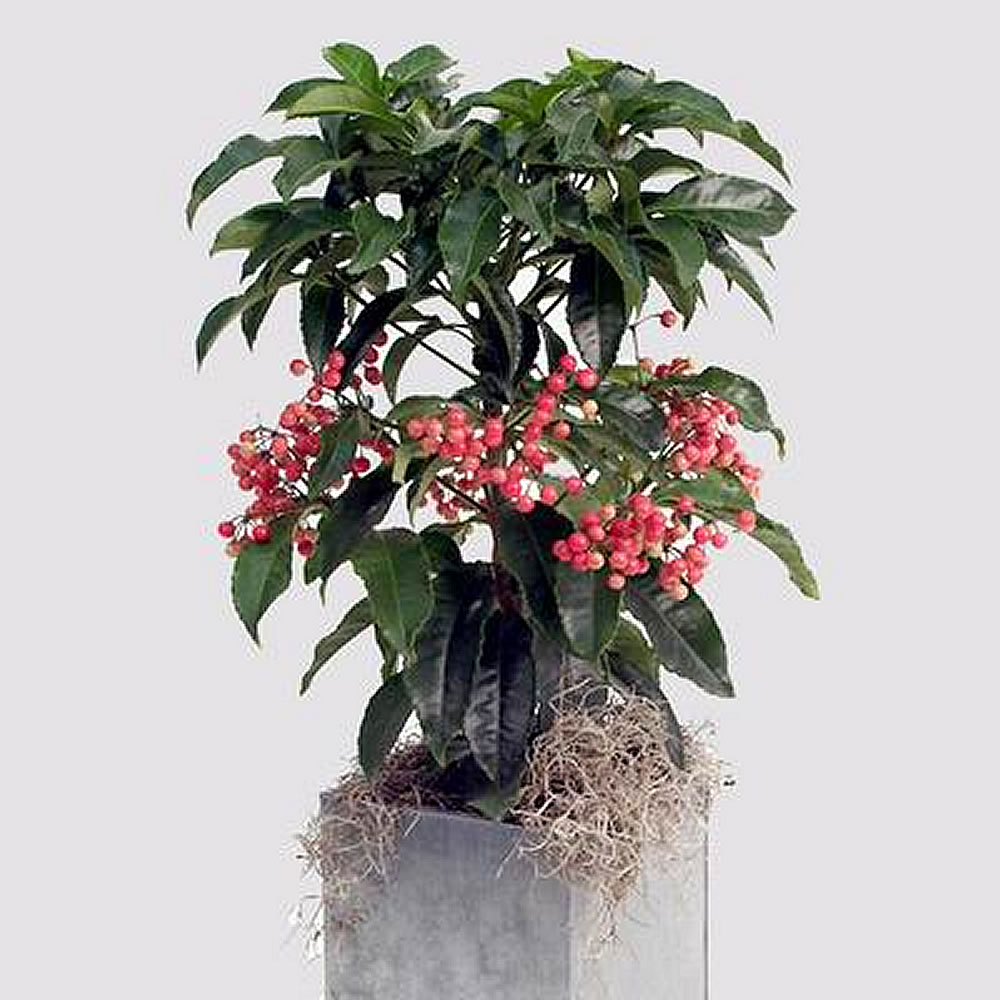
Ardisia is a genus of plants that comprises hundreds of species. Native to tropical regions, this versatile plant has been widely cultivated for its ornamental value. In this article, we will delve into the characteristics, cultivation, and care requirements of ardisia, helping you to appreciate its beauty in your home.
Characteristics of Ardisia
In its natural habitat, ardisia grows as a shrub of moderate size. However, when cultivated in containers, it remains under 3 feet tall. This evergreen plant is highly prized for its attractive foliage and showy flowers.
The leaves of ardisia are oval-shaped, dark green, and glossy. The flowers are star-shaped with small white or colored petals that emit a sweet fragrance.
Cultivating Ardisia
Ardisia is grown as an ornamental plant in temperate regions with mild winters. In the Northern Italy, it’s commonly cultivated as a houseplant. During hot summer months, move the plant outdoors to a shaded area and bring it back inside during winter to prevent leaf scorch.
To optimize growth, follow these guidelines:
1. Ideal Exposure
Ardisia thrives in bright, indirect light but should not be exposed directly to sunlight, which can cause scorched leaves.
2. Suitable Soil
The ideal soil for ardisia is rich in organic matter and well-draining. Mix equal parts of potting soil, peat moss, and sand for optimal results.
When transplanting, replace a significant portion of the old soil with fresh, nutrient-rich soil in the autumn season.
3. Watering
Water ardisia regularly, but avoid overwatering, which can lead to root rot. Allow the top inch of soil to dry out between waterings.
Reduce watering during the winter months when the plant is dormant.
4. Fertilization
Feed your ardisia with a balanced fertilizer every 10 days from March to October. In the winter, reduce fertilization to once a month.
5. Pruning
Prune your ardisia in February or early spring to maintain its shape and encourage new growth.
6. Propagation
Ardisia can be propagated through seeds or cuttings. Take 10-15 cm long stem cuttings from the lateral buds, remove lower leaves, and plant them in a mixture of peat moss and sand. Keep the soil moist until roots develop.
Common Pests and Diseases
Ardisia is susceptible to pests like aphids and whiteflies. Regularly inspect your plants for signs of infestation and treat promptly with neem oil or insecticidal soap.
Common diseases include root rot, leaf spot, and powdery mildew. Treat these conditions by removing affected areas, improving air circulation, and applying fungicides as necessary.
Varieties of Ardisia
There are numerous varieties of ardisia, each with its unique characteristics. Some popular ones include:
- Ardisia crispa: Known for its glossy leaves and vibrant flowers.
- Ardisia humilis: Features dark green leaves and white or colored flowers.
- Ardisia solanacea: Has ovate-shaped leaves and produces small, yellowish flowers.
Fun Facts About Ardisia
Ardisia is an evergreen shrub with a short growth cycle. After three years of life, it becomes less productive and requires renewal.
The name “ardisia” comes from the Greek word “aridis,” meaning “pointed tip.” The leaves have distinctive creases or crenations along their edges.
Ardisia has been used in herbal medicine to help manage asthma symptoms due to its unique compounds.
In floral language, ardisia symbolizes good luck and prosperity. Give it as a gift to someone you care about for an auspicious occasion.
Caring for Young Ardisia Plants
Caring for young ardisia plants is essential to ensure they grow healthy and strong. Here are some tips:
- Provide sufficient light: Young ardisia plants need bright, indirect light to photosynthesize.
- Maintain optimal temperature: Keep the plant at a consistent temperature between 65-75°F (18-24°C).
- Water carefully: Water young ardisia plants regularly, but avoid overwatering.
Ardisia in Winter
During winter months, ardisia plants go dormant. Here are some tips to care for your plant during this period:
- Reduce watering: Reduce watering as the plant goes dormant.
- Maintain humidity: Keep the air around your plant humid to prevent drying out.
Repotting Ardisia
Ardisia plants typically need to be repotted every 2-3 years. Here are some tips:
- Choose a well-draining potting mix: Select a potting mix that drains excess water quickly.
- Use a slightly larger container: Choose a pot that is only slightly larger than the previous one.
Tips for Growing Ardisia Outdoors
If you live in an area with mild winters, consider growing ardisia outdoors. Here are some tips:
- Choose a location with partial shade: Select a spot that receives partial shade to prevent scorching.
- Water regularly: Water your ardisia plant regularly during the growing season.
Conclusion
Ardisia is a versatile and attractive plant that can add beauty to any home. By following these guidelines, you’ll be able to cultivate this lovely plant and enjoy its unique characteristics for years to come.


