
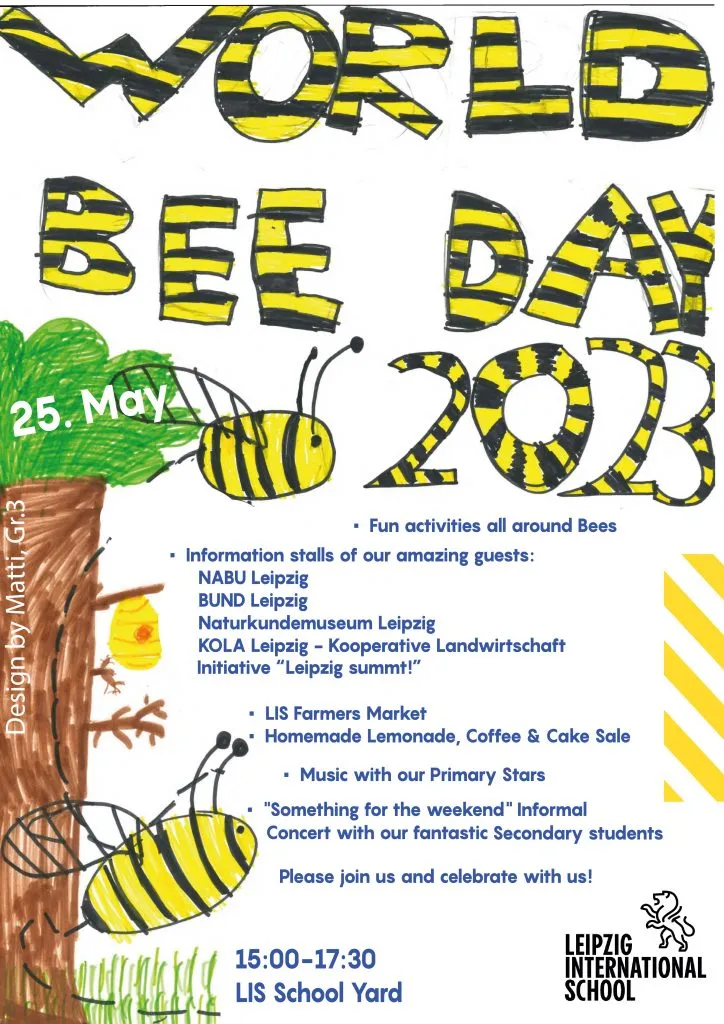
As the world celebrates the World Bee Day on May 20th every year, it’s essential to understand the significance of this day and the challenges faced by these vital pollinators. The bees are not just sweet producers of honey but also crucial contributors to plant reproduction and agricultural productivity. Unfortunately, they are facing immense threats due to human activities that are degrading their habitats.
The Importance of Bees
Bees play a vital role in maintaining ecosystem balance and food security. They pollinate over 75% of the world’s crops, including fruits, vegetables, and nuts. Without bees, our diets would be severely impacted, leading to food shortages and economic losses. The loss of bee populations could have far-reaching consequences for human health and the environment.
The State of Bee Decline
In recent years, bee decline has become a pressing global issue. According to the United Nations Food and Agriculture Organization (FAO), bee populations are facing an unprecedented level of threats. The use of pesticides, habitat destruction, and climate change have contributed to bee decline, with some species experiencing mortality rates as high as 100 times those observed in healthy colonies.
Why is Bee Conservation Crucial?
Conserving bees is essential for sustainable development and food security. Healthy bee populations are necessary for maintaining ecosystem balance, ensuring crop yields, and preventing the loss of biodiversity. By protecting bees, we can also mitigate the impact of climate change, reduce pesticide use, and promote environmental sustainability.
The History of World Bee Day
World Bee Day was first observed in 2017, following a call to action by Anton Janša, a Slovenian apiculturist who recognized the importance of bees in the 18th century. The United Nations General Assembly has designated May 20th as World Bee Day, aiming to raise awareness about the plight of bees and promote conservation efforts.
The Challenges Ahead
Despite growing awareness about bee decline, many challenges remain. Governments and industries are still slow to adopt sustainable practices that protect bee habitats and reduce pesticide use. The lack of effective policies and regulations hinders our ability to mitigate the impact of human activities on bee populations.
Innovative Initiatives for Bee Conservation
There are several initiatives underway to support bee conservation efforts. Some examples include:
- Slow Food’s “Slow Bees” Campaign: Slow Food has launched an international campaign to raise awareness about bee decline and promote sustainable practices.
- Planting Trees for Bees: In this World Bee Day, Slow Food invites everyone to plant trees or flowers to create bee-friendly habitats.
- Bee-Friendly Gardens: Individuals and communities are encouraged to create bee-friendly gardens by incorporating native plants and reducing pesticide use.
The Role of Individuals in Bee Conservation
Individuals can make a difference in supporting bee conservation efforts. Some ways to do this include:
- Creating Bee-Friendly Habitats: Planting native flowers, trees, and shrubs that provide food and shelter for bees can help support local populations.
- Reducing Pesticide Use: Using organic pest control methods or reducing pesticide use in gardens and homes can help minimize harm to bees.
- Supporting Sustainable Agriculture Practices: Choosing sustainable produce from local farmers who use bee-friendly practices can help promote conservation efforts.
The Role of Governments in Bee Conservation
Governments play a critical role in supporting bee conservation efforts. Some ways governments can support these initiatives include:
- Implementing Policies and Regulations: Governments can implement policies and regulations that protect bee habitats, reduce pesticide use, and promote sustainable agriculture practices.
- Providing Funding for Research and Education: Governments can provide funding for research on bee health and education programs to raise awareness about the importance of bee conservation.
Conclusion
The world is facing a critical moment in the history of bee conservation. As we celebrate World Bee Day, we must acknowledge the challenges ahead and commit to sustainable practices that protect bee populations. By working together, we can ensure the long-term health of our planet and its precious pollinators.
Frequently Asked Questions
- What is the main threat to bee populations?
- The main threats to bee populations include pesticide use, habitat destruction, climate change, and human activities that degrade their habitats.
- How do bees contribute to agriculture?
- Bees play a crucial role in pollinating over 75% of the world’s crops, including fruits, vegetables, and nuts.
- What can individuals do to help protect bee populations?
- Individuals can make a difference by creating bee-friendly habitats, reducing pesticide use, and supporting sustainable agriculture practices.
- Can bee conservation efforts be effective in mitigating climate change?
- Yes, conserving bees can contribute to climate change mitigation by promoting ecosystem balance and food security.
- How can governments support bee conservation efforts?
- Governments can implement policies and regulations that protect bee habitats, reduce pesticide use, and promote sustainable agriculture practices.


