
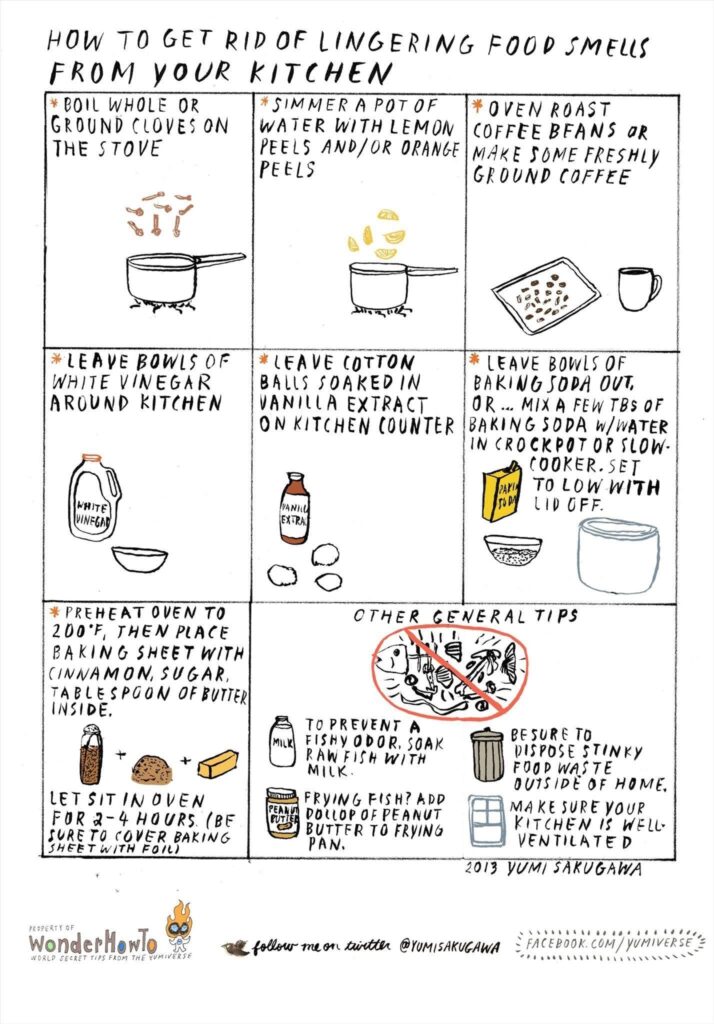
As we cook, aromas from food can be our allies, filling our kitchens with a delicious scent. However, these same aromas can quickly turn into a nuisance if they linger for hours.
Many homeowners find themselves at war against bad smells in their kitchen, known as “tanfo” that can affect countertops, fridges, ovens, and even clothes and hair.
The Sources of Bad Smells in the Kitchen
Bad smells in the kitchen can originate from various sources, including:
- The garbage disposal
- Countertops and appliances
- Clothing and fabrics
- Carpets and upholstery
These sources can contribute to the buildup of unpleasant odors that can make our kitchens uncomfortable to live in. Understanding where bad smells come from is essential for effective elimination.
The Importance of Eliminating Bad Smells
Eliminating bad smells is essential for maintaining a clean and healthy kitchen. Not only do they make our homes uncomfortable to live in, but they can also pose health risks.
Bad smells can trigger allergies, exacerbate respiratory issues, and even lead to skin problems. In extreme cases, persistent bad smells can even affect the mental health of household members, leading to stress and anxiety.
How to Eliminate Bad Smells from the Garbage Disposal
To eliminate bad smells from your garbage disposal:
- Make sure to regularly clean it with baking soda and vinegar
- Use a disposal filter or replacement blades to prevent clogs
- Run cold water through the disposal after use
Regular cleaning of the garbage disposal can help remove food particles and debris that contribute to unpleasant odors. Using a disposal filter or replacement blades can also prevent clogs, which can lead to bad smells.
Removing Odors from Clothing and Fabrics
Bad smells can easily transfer to clothing and fabrics, especially after cooking. Here are some tips to remove odors from clothes and upholstery:
- Use baking soda or activated charcoal to absorb the smell
- Wash the garment in cold water with a mild detergent
- Dry the garment on low heat to prevent re-depositing the odor
Bad smells can be particularly challenging to remove from clothing and fabrics, as they can penetrate deep into the material. Using baking soda or activated charcoal can help absorb the smell, while washing the garment in cold water with a mild detergent can help remove any remaining residue.
Eliminating Bad Smells from Carpets and Upholstery
Bad smells can penetrate deep into carpets and upholstery, making them difficult to remove. Here are some tips:
- Use baking soda or white vinegar to absorb the smell
- Clean the affected area with a mild detergent
- Dry the area thoroughly to prevent re-depositing the odor
Carpets and upholstery can be particularly susceptible to bad smells, as they can trap moisture and debris. Using baking soda or white vinegar can help absorb the smell, while cleaning the affected area with a mild detergent can help remove any remaining residue.
Using Natural Remedies for Odor Removal
In addition to traditional cleaning methods, natural remedies can be an effective way to eliminate bad smells:
- Acetone or lemon juice can dissolve grease and grime that contributes to odors
- Essential oils like tea tree oil and lavender oil have antibacterial properties that can help eliminate odors
- Baking soda is a natural deodorizer that can absorb odors and neutralize them
Natural remedies can be an effective way to eliminate bad smells, as they are often gentler on surfaces and can penetrate deep into materials. Acetone or lemon juice can dissolve grease and grime that contributes to odors, while essential oils like tea tree oil and lavender oil have antibacterial properties that can help eliminate odors.
Maintaining a Smell-Free Kitchen
To keep your kitchen smelling fresh and clean:
- Regularly clean surfaces with soap and water
- Wipe down appliances and countertops after use
- Use a trash can with an odor-absorbing filter or baking soda
- Store food and spices in airtight containers to prevent moisture buildup
Maintaining a smell-free kitchen requires regular cleaning, proper disposal of waste, and careful storage of food and spices. Using an odor-absorbing filter or baking soda in your trash can can also help reduce unpleasant odors.
Tips for Eliminating Bad Smells from Common Kitchen Appliances
Bad smells can affect not only countertops and appliances but also other kitchen fixtures. Here are some tips for eliminating bad smells from common kitchen appliances:
- Refrigerator: Regularly clean the fridge with soap and water, and wipe down shelves and drawers to remove any food residue.
- Oven: Clean the oven regularly with a degreaser or baking soda and vinegar mixture to remove grease and grime that contributes to odors.
- Stove: Wipe down the stove after use with soap and water, and clean the burners and igniter to prevent food buildup.
Eliminating bad smells from common kitchen appliances requires regular cleaning and maintenance. Using a degreaser or baking soda and vinegar mixture can help remove grease and grime that contributes to odors, while wiping down surfaces with soap and water can help prevent the buildup of food residue.
Conclusion
Bad smells can be a nuisance in the kitchen, but they don’t have to be a persistent problem. By understanding their sources and using effective methods for elimination, you can keep your kitchen smelling fresh and clean.
Regular cleaning and maintenance, combined with natural remedies and proper disposal of waste, are essential for maintaining a smell-free kitchen.


