
As an avid gardener and food enthusiast, you’re likely familiar with the thrill of harvesting fresh herbs from your garden. But have you ever stopped to think about how to preserve these fragrant treasures for future use? In this article, we’ll delve into the world of aromatic herbs and explore the best ways to conserve them.
Choosing the Right Time
When it comes to preserving aromatic herbs, timing is everything. The ideal time to harvest most herbs is during the summer months, specifically from June to July. This period allows the plants to reach their peak potency and makes them easier to dry.
Drying Methods
There are two primary methods for drying aromatic herbs: air-drying and sun-drying.
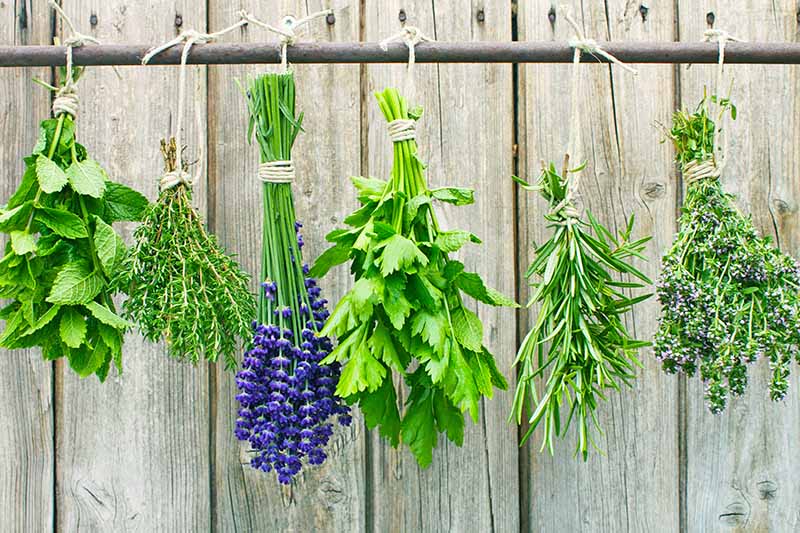
- Air-Drying: This method involves tying the herb stems in small bunches and hanging them upside down in a cool, dark place. The ideal temperature for air-drying is between 60°F to 70°F (15°C to 21°C).
- Sun-Drying: Sun-drying involves placing the herbs on a paper towel or cloth, allowing them to dry in direct sunlight. This method requires careful monitoring to prevent over-drying.
Infused Herbs vs. Dried Herbs
When preserving aromatic herbs, you’ll often come across the terms “infused” and “dried.” The main difference between the two lies in their preparation and usage:
- Dried Herbs: Dried herbs are the most common form of preservation and can be stored for extended periods. They’re perfect for adding to soups, stews, or salads.
- Infused Herbs: Infused herbs, on the other hand, involve steeping the herb in a solvent (such as oil or vinegar) to create a flavorful extract. This method is ideal for creating herb-infused oils, vinegars, or salts.
Popular Aromatic Herbs
Some of the most popular aromatic herbs used in cooking and preservation include:
- Basil: Known for its sweet, slightly spicy flavor.
- Mint: Famous for its refreshing, cooling properties.
- Thyme: Used to add depth and warmth to various dishes.
- Rosemary: Often paired with olive oil and lemon juice for a classic Mediterranean flavor.
Spezie vs. Erbe Aromatiche
While the terms “spezie” and “erbe aromatiche” are often used interchangeably, there’s a subtle distinction between them:
- Erbe Aromatiche: These herbs are consumed primarily in their fresh or dried form, with an occasional use of infusions.
- Spezie: Spezies, on the other hand, are typically used to add flavor to dishes and can include seeds, roots, bark, and other plant parts.
Tips for Preserving Aromatic Herbs
Here are some expert tips for preserving aromatic herbs:
- Monitor Temperature and Humidity: Ensure the drying area is cool, dark, and dry to prevent mold or mildew.
- Use Paper Towels or Cloth: To absorb excess moisture and promote even drying.
- Avoid Over-Drying: Keep an eye on the herb’s color and texture to avoid over-drying.
Common Mistakes to Avoid
To ensure the best results, be mindful of these common mistakes:
- Over-Drying: This can lead to a loss of flavor and aroma.
- Under-Drying: Can result in mold or mildew growth.
- Insufficient Monitoring: Failing to check on the herbs regularly can lead to spoilage.
Preserving Aromatic Herbs for Different Cuisines
Different cuisines require unique preservation methods. Here are some tips for preserving aromatic herbs for specific types of cooking:
- Mediterranean Cuisine: Rosemary, thyme, and oregano pair well with olive oil and lemon juice.
- Indian Cuisine: Mint, cilantro, and basil can be preserved using infusions or dried methods.
- Middle Eastern Cuisine: Sumac, parsley, and mint are often used in salads and sauces.
Preserving Aromatic Herbs for Teas and Infusions
Herbs like peppermint, chamomile, and lemon balm make excellent tea ingredients. Here’s how to preserve them:
- Infusion Method: Steep the herbs in hot water to create a flavorful infusion.
- Dried Method: Dry the herbs using air-drying or sun-drying methods.
- Freeze-Dry Method: Freeze the herbs and then remove the moisture to preserve them.
Conclusion
Preserving aromatic herbs is an art that requires attention to detail, patience, and practice. By mastering the techniques outlined in this article, you’ll be able to enjoy your favorite herbs year-round and experiment with new recipes.
Frequently Asked Questions (FAQs)
-
What is the best way to dry basil?
- Tie the stems in small bunches and hang them upside down in a cool, dark place.
-
Can I preserve thyme by infusing it in oil?
-
Yes, you can make herb-infused oils using fresh or dried thyme leaves.
-
How do I store dried herbs to maintain their flavor?
-
Store dried herbs in a cool, dark place, such as an airtight container or glass jar.
-
Can I use mint in savory dishes?
-
Yes, mint pairs well with lamb, chicken, and vegetables for added freshness.
-
What is the difference between rosemary and thyme?
-
Rosemary has a piney flavor, while thyme has a more delicate, earthy taste.
Additional Resources
For more information on preserving aromatic herbs, check out these resources:
- The Spruce Eats: A comprehensive guide to herb preservation and recipes.
- Food52: Explore the world of herb-infused oils, vinegars, and salts with Food52’s expert tips and recipes.
Happy preserving!


