
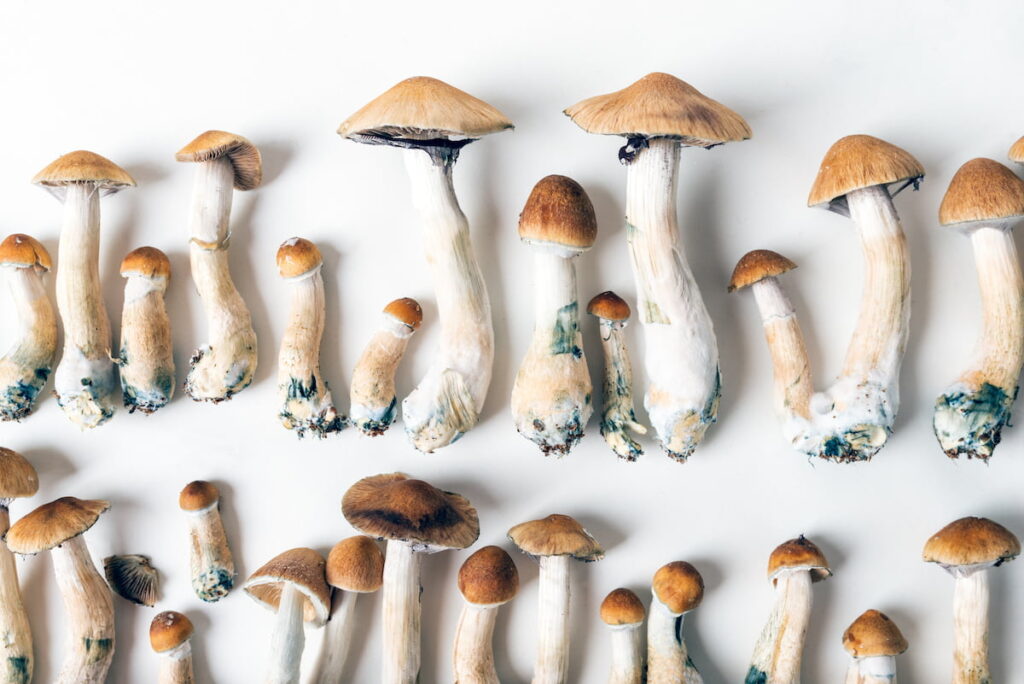
Mushroom hunting is an activity that requires respect for the environment and caution for one’s safety. There are two types of mushroom hunters: seekers and grazers. While seekers actively search for mushrooms, grazers stumble upon them while hiking.
To avoid confusing these two categories, it’s essential to understand their motivations. Seekers typically know the terrain well and spend hours searching for mushrooms. Grazers, on the other hand, may not be as familiar with the area and often find mushrooms by accident.
The Importance of Mushroom Conservation
Mushrooms play a vital role in their ecosystems, serving as food sources for various animals. However, once harvested, they are only used for culinary purposes or to satisfy curiosity. To avoid harming the environment, it’s crucial to leave unknown mushrooms in their natural habitat and avoid damaging them with sticks or foot traffic.
Equipment for Mushroom Hunting
Before embarking on a mushroom hunting adventure, it’s essential to choose the right equipment:
- Clothing: Comfortable, practical, and durable clothing is necessary for long hikes. A backpack with multiple compartments can help keep gear organized.
- Footwear: Sturdy boots or shoes are essential for navigating rough terrain. In flat areas, gummy boots can be a good option, but in mountainous regions, robust hiking boots are recommended to avoid slipping on rocks and encountering snakes.
The Right Tools for the Job
A trusty walking stick is an indispensable tool for mushroom hunters:
- Walking Stick: A sturdy stick serves as both a support during hikes and a gentle tool for clearing foliage. You can either bring one from home or find a suitable branch in nature.
- Knife: A lightweight knife is necessary for gently harvesting mushrooms without damaging them. Choose one with a well-sharpened blade to ensure clean cuts.
- Basket or Container: A sturdy basket made of willow or other flexible materials is perfect for collecting and storing found mushrooms.
Mushroom Hunting Strategies
Here are some additional tips to help you become a successful mushroom hunter:
- Plan ahead: Choose the right equipment, dress accordingly, and familiarize yourself with local regulations and safety guidelines.
- Be patient: Mushroom hunting can be time-consuming, so it’s essential to enjoy the journey as much as the destination.
- Respect nature: Always prioritize environmental conservation and safety.
Understanding Mushrooms
Before venturing out on your first mushroom hunt, familiarize yourself with common species:
- Edible mushrooms: Look for species like chanterelles, oyster mushrooms, or wild mushrooms that are safe to consume.
- Poisonous mushrooms: Be aware of species like the Destroying Angel or the False Morel, which can be deadly if ingested.
Choosing the Right Location
When selecting a location for your mushroom hunt:
- Research local regulations: Familiarize yourself with laws and restrictions regarding mushroom hunting in your area.
- Consult experts: Reach out to experienced mushroom hunters or botanists for guidance on finding specific species.
- Look for conducive environments: Mushrooms thrive in areas with suitable temperatures, humidity, and sunlight.
Additional Tips and Resources
To help you refine your skills as a mushroom hunter:
- Join local mycological societies: Connect with fellow enthusiasts to share knowledge and tips.
- Attend workshops or courses: Expand your expertise through hands-on training and online resources.
- Consult field guides: Use reliable sources to identify species and learn about their habitats.
Conclusion
Mushroom hunting is a rewarding experience that requires patience, respect for nature, and the right equipment. By following these guidelines and tips, you’ll be well on your way to becoming a skilled mushroom hunter. Happy hunting!
Frequently Asked Questions
- What are the most common edible mushrooms?
Chanterelles, oyster mushrooms, and wild mushrooms like Morels and Porcini are popular edible species. - How do I identify poisonous mushrooms?
Familiarize yourself with distinctive features such as bright colors, unusual shapes, or patterns on the cap. - What should I wear for mushroom hunting?
Comfortable clothing and sturdy footwear will help you navigate challenging terrain while minimizing distractions. -
Can I grow my own mushrooms at home?
Yes, with the right equipment and conditions, it’s possible to cultivate mushrooms in a controlled environment. -
How do I store harvested mushrooms?
Keep them cool, dry, and ventilated to maintain freshness. -
What are some common mistakes mushroom hunters make?
Ignoring local regulations, not being aware of their surroundings, or over-harvesting can lead to negative consequences. -
How do I learn more about mushroom hunting?
Join local mycological societies, attend workshops, and consult field guides for expert guidance. -
Can I find mushrooms in urban areas?
Yes, with the right knowledge and equipment, you may be able to discover edible species in urban environments.


