
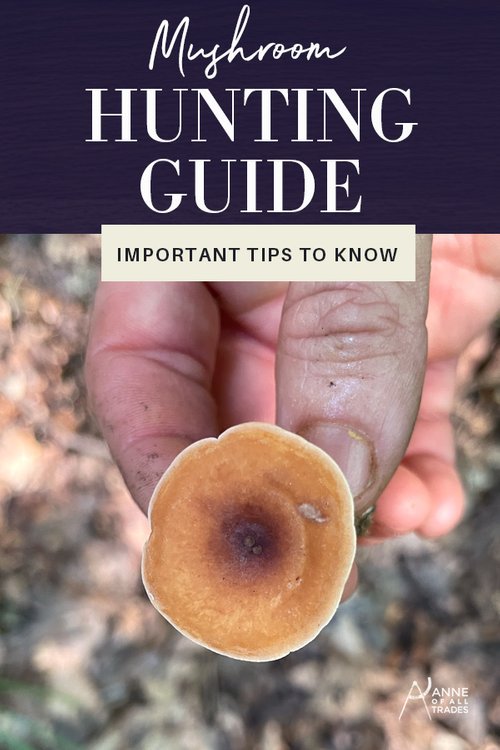
As a mushroom enthusiast, you know that foraging for wild mushrooms requires patience, dedication, and the right techniques. Before enjoying a delicious risotto with porcini or other types of mushrooms, it’s essential to understand how to collect them successfully. In this comprehensive guide, we’ll share expert advice on the best locations, timing, equipment, and safety precautions to ensure you have a bountiful and enjoyable mushroom-hunting experience.
Understanding Mushroom Foraging
Mushroom foraging is an art that requires knowledge, skill, and attention to detail. The process involves identifying suitable habitats, recognizing species, and harvesting them at the right time. With over 10,000 known species of mushrooms, it’s crucial to be familiar with the characteristics, growth habits, and edibility of each type.
Best Locations for Mushroom Foraging
Mushrooms can be found in various environments, including forests, meadows, and even urban areas. The best locations depend on the type of mushroom you’re searching for. Here are some popular options:
- Castagni forests: Porcini (Boletus edulis) and Boletus aestivalis thrive in these forests.
- Erica forests: Porcini neri (Boletus aereus) can be found here, particularly under pine trees.
- Quercus forests: A variety of mushroom species, including porcini and chanterelles, grow in these areas.
Timing is Everything
The best time for mushroom foraging varies depending on the season. Autumn is usually the peak season, but some species can be found during summer or spring. Keep an eye out for weather conditions that favor fungal growth, such as heavy rainfall followed by a period of dryness.
Safety Precautions: Avoiding Deadly Mushrooms
With so many mushroom species, it’s easy to mistake one for another. Some can be deadly poisonous, while others are harmless. To avoid harm, follow these guidelines:
- Use field guides: Consult books or online resources that provide detailed descriptions and images of various mushrooms.
- Join a mushroom-hunting community: Connect with experienced foragers who can share their knowledge and expertise.
Equipment and Techniques
To ensure successful mushroom foraging, you’ll need the right equipment and techniques:
- Chestnut basket: A sturdy basket made from natural materials like wicker or bamboo is ideal for collecting mushrooms.
- Gloves and knife: Wear gloves to protect your hands from thorns and prickles, and carry a small knife for cutting the mushroom stalk.
Expert Tips:
- “When searching for porcini, always look for clusters of the same species.”
- “Avoid areas with recent logging or heavy pesticide use.”
- “Be mindful of your surroundings and keep an eye out for other foragers.”
Choosing the Right Mushroom for Your Cuisine
Different mushroom varieties offer unique flavors and textures that can elevate various dishes. Here are some popular options:
- Porcini: Add earthy flavor to pasta sauces, risottos, or roasted vegetables.
- Chanterelle: Use in French cuisine, such as in bouillabaisse or with butter and herbs for a delicious side dish.
- Maitake: Enhance Asian-inspired dishes with their rich, umami taste.
Mushroom Safety: Handling and Storage
After collecting your prized mushrooms, it’s essential to handle and store them safely:
- Handle mushrooms gently: Avoid bruising or damaging the caps to preserve flavor and texture.
- Store in a cool, dark place: Keep mushrooms refrigerated at 32°F (0°C) to prolong their shelf life.
Mushroom Recipes: Bringing Your Harvest Home
With your freshly foraged mushrooms, you’re ready to create delicious dishes. Here are some ideas to get you started:
- Creamy mushroom risotto: Sauté Arborio rice with porcini and white wine for a comforting Italian classic.
- Pan-seared chanterelles: Sear these fungi in butter and herbs for a side dish that pairs perfectly with grilled meats or fish.
- Mushroom and leek soup: Simmer porcini, leeks, and vegetables in a rich broth for a hearty, flavorful soup.
Conclusion:
Mushroom foraging is a rewarding experience that requires patience, knowledge, and attention to detail. By understanding the best locations, timing, equipment, and safety precautions, you can enjoy a successful and safe mushroom-hunting adventure. Happy foraging!
Frequently Asked Questions (FAQs)
Q: What are some common poisonous mushrooms?
A: Some examples include the Destroying Angel (Amanita virosa), Death Cap (Amanita phalloides), and False Morel (Gyromitra esculenta).
Q: How do I identify edible mushrooms?
A: Look for distinctive features like shape, size, color, and texture. Consult field guides or expert sources to confirm identification.
Q: What should I wear while mushroom hunting?
A: Wear sturdy shoes, comfortable clothing, and gloves to protect yourself from rough terrain and potential hazards.
Q: Can I grow my own mushrooms at home?
A: Yes! You can purchase mushroom spores or spawn online and create a controlled environment for cultivation.


