
Introduction
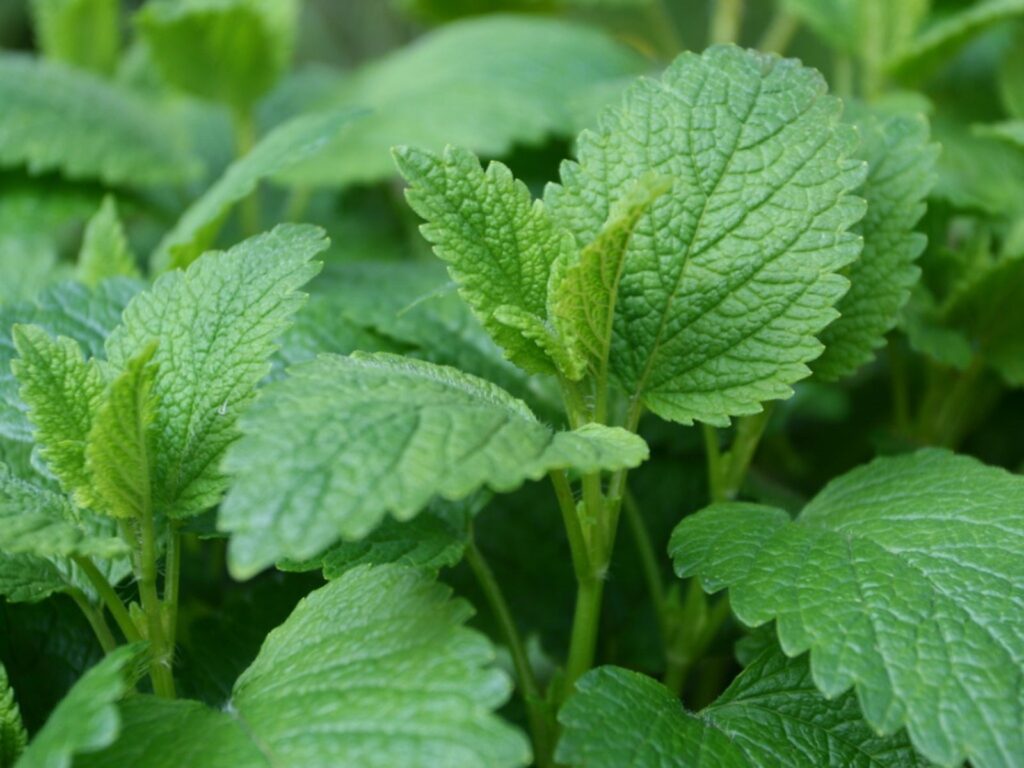
Melissa, also known as melissa officinalis, is a perennial herbaceous plant that has been widely used for its medicinal properties. This article will provide a comprehensive guide on how to cultivate and care for melissa, a natural remedy that can be easily grown in your garden or indoor pots. Melissa has been traditionally used to reduce stress and anxiety levels, improve digestion, and promote relaxation.
History of Melissa
Melissa has been used for centuries in traditional medicine, particularly in Europe and the Mediterranean region. The plant was highly valued by ancient Greeks and Romans, who used it to treat a variety of ailments, including insomnia, anxiety, and digestive issues. Today, melissa is still widely used as a natural remedy, and its popularity continues to grow among health-conscious individuals.
Getting Started with Melissa
If you have purchased seed packets, you can begin growing melissa between March and April. For those living in the northern regions, it’s recommended to wait until late April to start sowing seeds directly into the ground. If you’re starting from seeds indoors, you can sow them as early as mid-March.
The seeds of melissa take 15-20 days to germinate. When growing in an orchard or garden bed, space the plants about 20-30 cm apart, allowing for good air circulation and sunlight penetration. For container gardens, simply scatter a few seeds on top of the soil surface and water lightly.
Growing Melissa in Pots
When growing melissa in pots, use a fresh and well-draining potting mix. Melissa prefers partial shade to full shade, making it an ideal choice for balcony or terrasse planters. To prevent root rot, avoid using saucers under the pots, as they can retain moisture. If you must use a saucer, make sure to empty it regularly.
Melissa is prone to decay in wet conditions; therefore, it’s crucial to monitor soil moisture levels and water only when necessary. It’s also essential to choose a pot that is large enough for the plant, as melissa has a tendency to spread.
Growing Melissa in Full Sun
For those growing melissa in full sun, keep in mind that this herb can thrive in various types of soil. It requires minimal care and can adapt well to dry or moist conditions. Since melissa has a natural tendency to spread, consider planting it along the edges of your garden bed or sharing plants with friends.
To grow melissa successfully in full sun, ensure that the plant receives at least 6 hours of direct sunlight per day. Water the plant regularly, but avoid overwatering, as this can lead to root rot.
Caring for Your Melissa
As a hardy perennial, melissa doesn’t require extensive care. Regular watering is essential; however, be cautious not to overwater, as this can lead to root rot. In hot weather, water the plant twice a day. Keep an eye out for pests like aphids and treat them promptly with natural remedies.
For optimal growth, ensure your melissa receives partial shade. Prune your plants regularly to maintain their shape and promote healthy growth. This will also encourage the plant to produce more leaves and flowers.
Harvesting and Using Melissa
Once your melissa has grown and matured, you can harvest the leaves and flowers for various uses. The leaves can be used fresh or dried, while the flowers can be used in salads, teas, and other recipes.
To dry the leaves, simply tie them into small bunches and hang upside down in a warm, dry place. To freeze the leaves and flowers, chop them finely and store them in airtight containers.
Melissa’s Medicinal Properties
Melissa contains compounds that have calming effects on the mind and body. It has been traditionally used as an anxiolytic natural remedy to reduce stress and anxiety levels. Melissa also has anti-inflammatory properties, making it useful for treating digestive issues and promoting relaxation.
The essential oil of melissa has a soothing effect on the nervous system, which can help alleviate symptoms of insomnia and anxiety. Melissa tea is also a popular remedy for stress relief and relaxation.
Frequently Asked Questions
- What is the best time to plant melissa seeds?
Melissa seeds can be sown between March and April for indoor starting or late April for outdoor planting.
- How often should I water my melissa plant?
Water your melissa plant when the soil feels dry to the touch, but avoid overwatering.
- Can I grow melissa in full sun?
Yes, melissa can thrive in full sun conditions, but it may require more frequent watering.
- How do I prevent root rot in my melissa plant?
To prevent root rot, ensure good air circulation and monitor soil moisture levels carefully.
- What are the benefits of using melissa leaves and flowers?
Melissa leaves and flowers can be used to make teas, infusions, and other remedies for stress relief, digestion, and relaxation.
- Can I grow melissa in containers?
Yes, melissa can be grown in pots with a well-draining potting mix and partial shade.
- How do I care for my melissa plant during the winter months?
To care for your melissa plant during the winter, reduce watering to once every two weeks and provide protection from extreme cold temperatures.
Benefits of Growing Melissa
Growing melissa can have numerous benefits for your health and well-being. Here are some of the advantages of cultivating this natural remedy:
- Reducing stress and anxiety: Melissa has been traditionally used as an anxiolytic natural remedy to reduce stress and anxiety levels.
- Promoting relaxation: The essential oil of melissa has a soothing effect on the nervous system, which can help alleviate symptoms of insomnia and anxiety.
- Improving digestion: Melissa tea is also a popular remedy for digestive issues, such as bloating and indigestion.
- Boosting mood: The leaves and flowers of melissa can be used to make teas, infusions, and other remedies that promote relaxation and reduce stress levels.
Growing Your Own Melissa
If you’re new to growing melissa, don’t worry. With this comprehensive guide, you can learn how to cultivate and care for melissa successfully. Here are some final tips to keep in mind:
- Choose a healthy plant: When purchasing a melissa plant, choose one that is healthy and free of pests.
- Provide the right conditions: Melissa prefers partial shade to full shade, making it an ideal choice for balcony or terrasse planters.
- Water correctly: Water your melissa plant when the soil feels dry to the touch, but avoid overwatering.
By following these guidelines, you can cultivate melissa in your garden or indoor pots and enjoy its numerous benefits as a natural remedy.


