
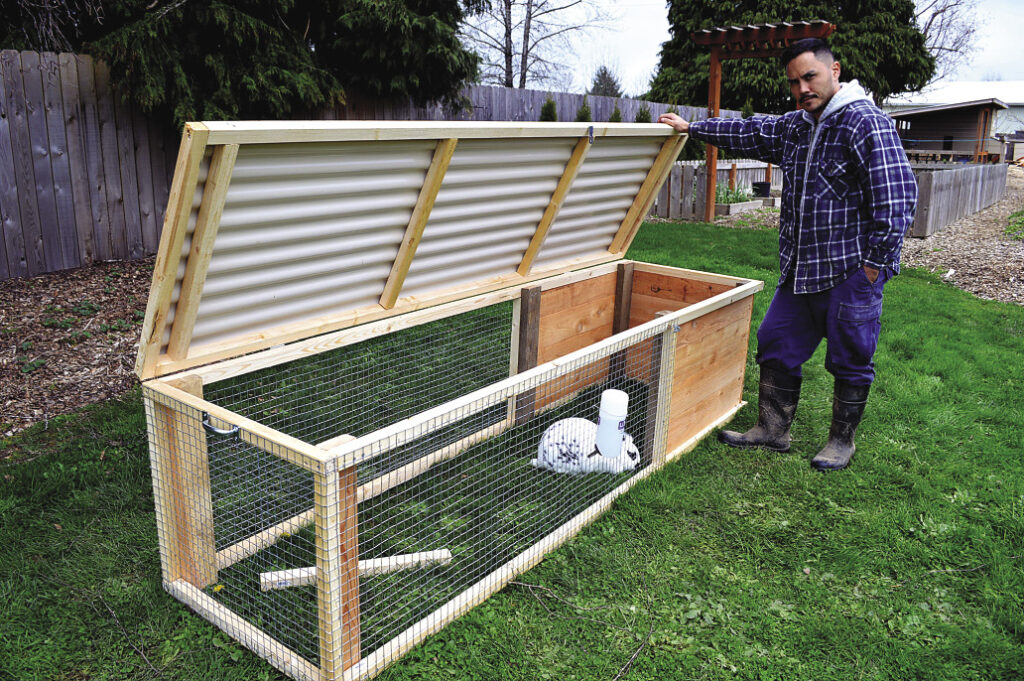
As a rabbit owner, providing a suitable enclosure is crucial for their health, safety, and well-being. While it’s not possible to replicate the wild environment exactly, you can create a cage that meets your rabbit’s needs and provides a comfortable space for them to live and thrive.
The Importance of a Rabbit Cage
A rabbit cage serves as a safe haven for your pet, protecting them from predators, providing shelter from extreme temperatures, and preventing accidents. However, it’s essential to choose the right size, design, and location for your cage to ensure your rabbit’s happiness and health.
Rabbits are social animals that need interaction with their environment, which is why a spacious cage or enclosure is vital. A well-designed cage can help prevent stress, boredom, and behavioral problems associated with inadequate space.
Choosing the Right Cage Size and Design
When selecting a cage for your rabbit, consider the following factors:
- Space: Rabbits are active animals that need room to move around. A minimum cage size of 2×4 feet (60×120 cm) is recommended.
- Ventilation: Adequate ventilation is crucial to prevent respiratory problems. Look for cages with good airflow and ventilation systems.
- Bar spacing: The bar spacing should be no more than 1 inch (2.5 cm) apart to prevent your rabbit from escaping or getting their fur caught.
Designing a Custom Cage
If you’re not satisfied with the existing cage options, consider building a custom cage using reclaimed wood or other materials. Here are some design tips:
- Height: Rabbits need space to stand up and move around. Ensure the cage is at least 2 feet (60 cm) tall.
- Barriers: Use barbed wire or metal mesh to prevent your rabbit from escaping or getting their fur caught.
- Ventilation: Incorporate ventilation systems, such as windows or vents, to maintain airflow.
When building a custom cage, consider the following tips:
- Use durable materials: Choose materials that can withstand your rabbit’s biting and scratching.
- Provide hiding places: Include hiding places, such as tunnels or boxes, to reduce stress and provide comfort.
- Keep it clean: Regularly clean and disinfect the cage to prevent health problems.
Cages for Outdoor Use
If you plan to let your rabbit outside, consider building a secure enclosure that provides protection from predators and harsh weather conditions. Here are some design tips:
- Fencing: Use sturdy fencing materials, such as wood or metal mesh, to prevent escape.
- Covering: Provide shade and shelter from extreme temperatures using canopies or tarps.
- Escape-proofing: Make sure the enclosure is secure and escape-proof.
When designing an outdoor enclosure, consider the following:
- Predator protection: Use fencing materials that are difficult for predators to chew through.
- Weather protection: Provide shade and shelter from extreme temperatures and weather conditions.
- Escape-proofing: Ensure the enclosure is secure and escape-proof.
Choosing the Right Cage for Your Rabbit
With so many options available, it’s essential to choose a cage that meets your rabbit’s specific needs. Consider factors such as size, design, ventilation, bar spacing, and materials when making your decision.
Here are some popular types of cages:
- Wire mesh cages: These cages provide good ventilation and visibility.
- Plastic cages: These cages are easy to clean and maintain.
- Wooden cages: These cages offer a natural look and feel.
Frequently Asked Questions
Q: What is the minimum cage size for a rabbit?
A: The minimum cage size should be at least 2×4 feet (60×120 cm).
Q: How often should I clean my rabbit’s cage?
A: Clean your rabbit’s cage regularly, ideally every week or two.
Q: Can I let my rabbit outside?
A: Yes, but make sure the enclosure is secure and escape-proof. Provide shade and shelter from extreme temperatures.
Additional Resources
For more information on building a rabbit cage, check out these resources:
- Rabbit Welfare Association: This organization provides guidelines for rabbit care and housing.
- RSPCA: The RSPCA offers advice on rabbit welfare and care.
- PetMD: PetMD provides tips on building a rabbit cage and caring for your pet.
By following this guide, you can create a safe and comfortable environment for your rabbit, providing them with the space and care they need to thrive.


