
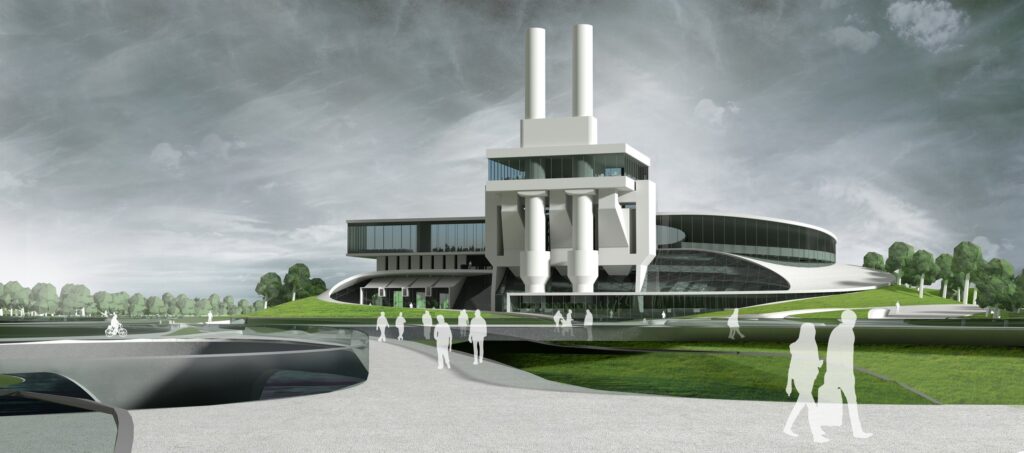
As the city of Florence bids farewell to its historic incinerator, a new era of sustainability is dawning. The demolition of the San Donnino plant marks the beginning of an ambitious project aimed at revolutionizing waste management in Tuscany.
A New Chapter for Florence
The transformation of San Donnino is more than just the end of an era; it’s the dawn of a new chapter in Florence’s history. This significant shift in waste management will not only improve the environment but also create new economic opportunities for the city and its residents.
Florence, known for its rich cultural heritage and breathtaking architecture, has long been a symbol of elegance and refinement. However, beneath its picturesque facade lies a complex web of industrial legacy and environmental concerns. The city’s outdated waste management infrastructure, which relied heavily on incineration, had become a pressing issue that needed to be addressed.
From Incineration to Recycling
The former incinerator, once a symbol of industrial heritage, is being replaced by an innovative electronic waste treatment facility (E-waste). This cutting-edge plant will have the capacity to process up to 65,000 tons of waste annually, focusing on the recovery of valuable materials like gold, silver, and palladium.
The introduction of E-waste recycling technology marks a significant shift in Florence’s approach to waste management. By harnessing the power of advanced technologies, the city is poised to become a leader in sustainable waste management practices.
A New Era in Sustainable Waste Management
The San Donnino transformation is made possible by a significant investment of over $3.5 million from the Italian government’s National Recovery and Resilience Plan (Pnrr). This injection of funds is part of a broader industrial development plan worth over $1.1 billion, which aims to develop new waste treatment networks and valorize recovered materials.
The project has garnered widespread support from local authorities, business leaders, and environmental groups. “The demolition of the incinerator represents not only a symbol of change but also a concrete step towards a future where recycling and waste recovery become the norm,” stated Lorenzo Perra, president of Alia Multiutility.
Leadership Support
Local authorities and business leaders are wholeheartedly supporting this initiative, seeing it as a game-changer for the industry and the region’s sustainability culture. The City Council of Florence has pledged to work closely with private companies and community groups to ensure a smooth transition and maximize the benefits of this project.
“We believe that sustainable waste management is crucial for our city’s future growth and prosperity,” said Alessandro Bonacci, Mayor of Florence. “This project embodies the principles of environmental sustainability and economic vitality that we strive for in our great city.”
A Model for Sustainability
This development is a shining example of how environmental policies can be integrated with economic growth to create sustainable solutions that benefit both the environment and local communities. As construction work progresses, Florence and Tuscany are poised to become leaders in waste management and recycling at the national and international levels.
The transformation of San Donnino serves as a blueprint for other cities seeking to adopt more sustainable practices. By investing in cutting-edge technologies and fostering collaboration among stakeholders, Florence is demonstrating that environmental sustainability can go hand-in-hand with economic growth.
Key Partnerships
The success of this project depends on collaboration between various stakeholders, including government agencies, private companies, and local residents. By working together, these partners can create a more sustainable future for generations to come.
Alia Multiutility, the company leading the E-waste treatment facility, has established partnerships with major waste management providers and technology suppliers to ensure the project’s success.
A Brighter Future for Florence
As we look to the future, it’s clear that Florence is embracing its role as a leader in waste management and sustainability. With the transformation of San Donnino, the city is setting an example for other communities to follow, demonstrating that sustainability and economic growth can go hand-in-hand.
The San Donnino project has sparked a renewed sense of civic pride and environmental awareness among Florence’s residents. As the city embarks on this new chapter in its history, it is clear that the future looks brighter than ever.
Frequently Asked Questions
Q: What is the current state of waste management in Florence?
A: Florence’s waste management infrastructure has been outdated for decades, with a focus on incineration rather than recycling.
Q: How much did it cost to demolish the San Donnino plant?
A: The demolition cost over $3.5 million, funded by the Italian government’s National Recovery and Resilience Plan (Pnrr).
Q: What materials will be recovered from the electronic waste treatment facility?
A: The facility will focus on recovering valuable materials like gold, silver, and palladium.
Q: How many tons of waste can the new plant process annually?
A: Up to 65,000 tons of waste per year.
Q: What is the total investment in this project?
A: Over $40 million, including the demolition cost and development of new infrastructure.
Q: Who is leading this project?
A: Alia Multiutility, a company working closely with local authorities and other stakeholders.
Q: How will this project benefit the local community?
A: By creating jobs, reducing waste, and promoting sustainability.
Q: What is the long-term goal of this project?
A: To become a model for sustainable waste management in Italy and internationally.


