
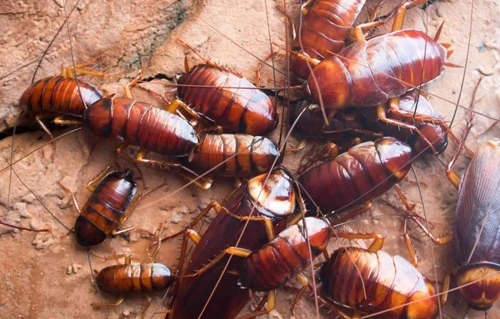
The Fascinating World of Cockroaches: 11 Surprising Facts
Cockroaches are one of the most reviled insects on the planet. However, these tiny creatures are incredibly resilient and possess abilities that seem almost “superhuman” for their size. In this article, we’ll delve into 11 astonishing facts that make cockroaches stand out as truly unique animals.
- Atomic Radiation Resistance
One of the most astounding facts about cockroaches is their ability to withstand nuclear radiation. During the 1950s, scientists conducted experiments with atomic bombs and found that these insects could often survive the explosions while most other living organisms perished. Cockroaches can resist doses of radiation up to 100 times higher than many other animals due to their efficient DNA repair system, which allows them to rapidly regenerate damaged cells.
- Speed Demon
Contrary to popular perception, cockroaches are surprisingly fast movers. They can reach speeds of up to 4 km/h (2.5 mph), making them quick escape artists from predators and formidable opponents in a game of hide-and-seek.
Their long, specially developed legs enable them to sprint away with remarkable agility, showcasing that these insects are far more nimble than they’re often given credit for.
- Omnivorous Appetites
Cockroaches have the unique ability to feed on virtually any substance, from organic waste and decaying matter to paper, glue, and even metals. Their adaptability in terms of diet is nothing short of remarkable – they can derive nutrients from almost anything they come into contact with.
This impressive versatility allows them to thrive in environments where other animals would struggle to survive, making cockroaches some of the most resilient creatures on the planet.
- Headless Survivors
Another surprising fact about cockroaches is their ability to live for several days without a head. Their decentralized nervous system means that the loss of a head does not necessarily equate to immediate death. Instead, the body can continue to function and even move for an extended period before succumbing to starvation.
This remarkable resilience is a testament to the intricate and complex nature of cockroach biology.
- Parental Instincts
Female cockroaches have a special pouch or sac on their abdomen where they carry eggs and tend to their young. This unique reproductive strategy allows them to transport their offspring safely, protecting them from predators and environmental hazards.
It’s fascinating to see how these insects exhibit parental care, a trait more commonly associated with larger, more complex animals.
- Regenerative Abilities
Cockroaches have the remarkable ability to regrow lost limbs, a process made possible by their unique cellular structure and growth patterns. This capacity for regeneration is shared by other arthropods but takes cockroach biology to an extreme level.
The loss of an arm or leg does not hinder these insects’ ability to adapt and thrive – they can simply grow back what’s been lost, showcasing the incredible resilience of these creatures.
- Edible Delights
In some parts of the world, like Thailand and other Asian countries, cockroaches are considered a delicacy and are even farmed for human consumption. Specifically, their larvae are prized for their unique flavor profile, which is said to be similar to that of shellfish.
The idea of eating insects might seem strange to many, but it’s an approach that has been practiced by humans for centuries in various cultures around the globe.
- Breath-Holding Champions
Cockroaches have a remarkable ability to survive without oxygen for extended periods. By slowing down their metabolism and reducing respiration, they can go without breathing for up to 7 minutes in certain species.
This extraordinary capacity allows them to withstand environments where other animals would quickly succumb to lack of oxygen, making cockroaches some of the most resourceful insects on the planet.
- Urban Acrobats
Many people assume that cockroaches are ground-dwelling creatures but are actually excellent climbers and can scale vertical surfaces with ease using their powerful legs and sticky feet. This ability allows them to navigate human-dominated environments where other animals might struggle to survive.
Their remarkable agility on walls and ceilings makes them formidable opponents in any environment, showcasing the incredible adaptability of these insects.
- Shedding Their Skin
After molting (shedding their skin), young cockroaches undergo a dramatic transformation as they emerge with a new, hardened exoskeleton. Initially, this process leaves them looking pale or white, like baby chicks emerging from eggs. As time passes and the exoskeleton hardens, the coloration darkens to that of an adult, highlighting the insects’ ability to adapt to their environment through visible changes.
This remarkable process is a testament to the dynamic nature of cockroach biology, as they continually evolve to suit their surroundings.
- Painful Morsers
Finally, while generally not considered a threat to human health, cockroaches are capable of inflicting painful bites if threatened or provoked. These insects possess powerful mandibles that can deliver a considerable amount of pressure, making them a nuisance to humans who might find themselves in close proximity.
While these morsers may be uncomfortable for humans, they are hardly fatal – a reminder that even the smallest creatures can have a profound impact on our lives.
Conclusion
Cockroaches are far more fascinating than most people realize. From their ability to withstand atomic radiation and extreme environmental stress to their remarkable regenerative powers and complex social behaviors, these insects showcase a level of resilience and adaptability unmatched by many other animals.
By exploring the world of cockroaches through a new lens, we can gain a deeper appreciation for the intricate biology and ecological importance of these often-maligned creatures. Whether viewed as pests or marvels of nature, cockroaches will continue to inspire scientific inquiry and public fascination in equal measure.
Frequently Asked Questions
- Q: Can cockroaches survive without their heads?
A: Yes, due to their decentralized nervous system, the loss of a head does not necessarily equate to immediate death. They can continue to function and even move for an extended period before succumbing to starvation. - Q: Why are some species of cockroaches considered edible?
A: In certain cultures, like in Thailand and other parts of Asia, the larvae of these insects are prized for their unique flavor profile, which is said to be similar to that of shellfish. - Q: Can cockroaches survive without oxygen?
A: Yes, by slowing down their metabolism and reducing respiration, they can go without breathing for up to 7 minutes in certain species. - Q: Are cockroaches dangerous to humans?
A: While generally not considered a threat to human health, cockroaches are capable of inflicting painful bites if threatened or provoked. - Q: Can cockroaches regrow lost limbs?
A: Yes, due to their unique cellular structure and growth patterns, they can regenerate lost body parts with remarkable ease. - Q: Why do some people find cockroaches so fascinating?
A: By exploring the biology and ecology of these insects, we can gain a deeper appreciation for their resilience, adaptability, and complex social behaviors.


