
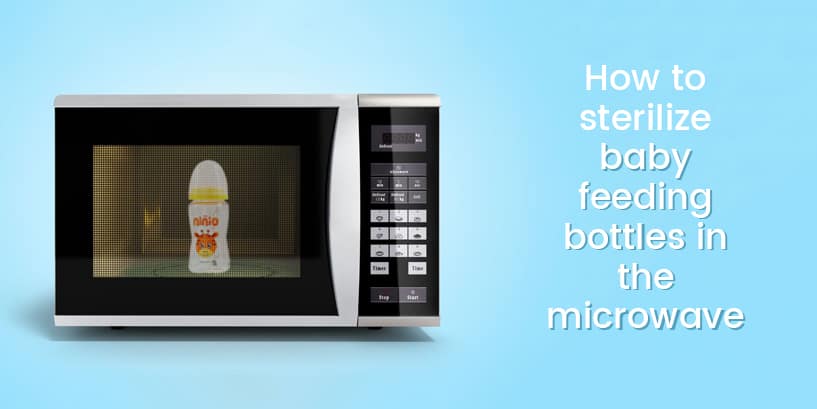
As a parent, ensuring your baby’s health and safety is always top priority. One essential aspect of parenting is sterilizing bottles and pacifiers to prevent bacterial growth and contamination. In this article, we’ll explore the best methods for sterilizing bottles in the microwave, along with some valuable tips and recommendations.
Why Microwave Sterilization?
Microwave sterilization is a convenient and efficient way to kill bacteria and other microorganisms that can contaminate bottles and pacifiers. This method uses high-frequency electromagnetic energy to heat the water inside the container, creating an environment that’s lethal to germs.
But why microwave sterilization in particular? Here are some reasons:
- Convenience: Microwave sterilization is quick and easy, taking only a few minutes to complete.
- Energy efficiency: Microwaves use less energy than traditional boiling water methods, making them a more environmentally friendly option.
- Safety: The microwave environment helps prevent hotspots and uneven heating patterns that can damage bottles or cause burns.
Choosing the Right Container
To ensure effective microwave sterilization, it’s crucial to use a dedicated bottle sterilizer or a specialized container designed specifically for this purpose. These containers typically have a narrow mouth and are made of materials like stainless steel or BPA-free plastic.
Some popular brands offer microwave-safe containers that can be used to sterilize bottles, such as Philips Avent or Nuvita. When selecting a container, look for the following features:
- Microwave-safe material
- Narrow mouth to prevent spills
- Easy-to-clean design
The Sterilization Process
To sterilize a bottle in the microwave using a specialized container, follow these steps:
- Disassemble the bottle and remove any accessories.
- Place the bottle in the sterilizer container, leaving enough space for water to cover the entire item.
- Add water to the container, making sure it’s level with the top of the bottle.
- Close the container and heat for 90 seconds.
Why Not to Sterilize Bottles Directly in the Microwave?
Many websites suggest sterilizing bottles directly in the microwave by placing them in a microwave-safe bag or covering them with a cloth. However, this method is not recommended due to several reasons:
- Microwaves can create uneven heating patterns, leading to hotspots and potentially damaging the bottle.
- The microwave environment is not suitable for sterilization, as it’s prone to contamination and bacterial growth.
- The risk of explosion or fire when heating a water-based solution in a sealed container is too high.
Alternative Methods: Boiling Water Sterilization
If you prefer to use boiling water sterilization, make sure to follow these guidelines:
- Fill a pot with enough water to cover the bottle by at least 2-3 inches.
- Bring the water to a rolling boil and maintain it for 5 minutes.
- Remove the bottle from the pot using oven mitts or tongs.
Tips and Recommendations
To ensure safe and effective microwave sterilization, keep these tips in mind:
- Use distilled water: Distilled water is free of minerals that can affect the heating process.
- Avoid overheating: Don’t overheat the bottle or container, as this can cause damage or create hotspots.
- Check for compatibility: Make sure the container and bottle are compatible with each other to avoid any potential issues.
- Sterilize frequently: Sterilize bottles regularly to prevent bacterial growth and contamination.
Some recommended products that include everything you need for microwave sterilization are:
- Philips Avent Microwave Sterilizer Kit: This kit includes five reusable containers designed specifically for microwave sterilization.
- Nuvita Microwave Sterilizer Container: This container is made of stainless steel and can be used to sterilize bottles, pacifiers, and other items.
- Sacchetti per microonde (Microwave Bags): These bags are affordable and can be used to sterilize individual bottles or smaller items.
Safety Precautions
When using the microwave for sterilization, keep these safety precautions in mind:
- Supervise children: Keep a close eye on children when they’re around the microwave to avoid any accidents.
- Avoid overheating: Don’t leave the microwave unattended while it’s heating up, as this can cause an explosion or fire.
- Use oven mitts: When removing hot containers from the microwave, use oven mitts to protect your hands.
Conclusion
Sterilizing bottles in the microwave using a specialized container is a convenient and efficient way to kill bacteria and prevent contamination. By following these guidelines and choosing the right container, you can ensure your baby’s health and safety while reducing the risk of bacterial growth. Remember to always follow the manufacturer’s instructions for any product you use, and happy parenting!


