
As we continue to grapple with the challenges of climate change, it’s essential that we explore innovative solutions for energy efficiency. One such solution lies in mineral insulation, a natural, renewable, and recyclable material that has been gaining popularity in recent years.
What are Mineral Insulation Materials?
Mineral insulation materials are derived from natural sources, making them a sustainable choice for building construction. They have been used for centuries to provide thermal insulation, but their use has increased significantly in recent times due to growing concerns about energy efficiency and environmental sustainability.
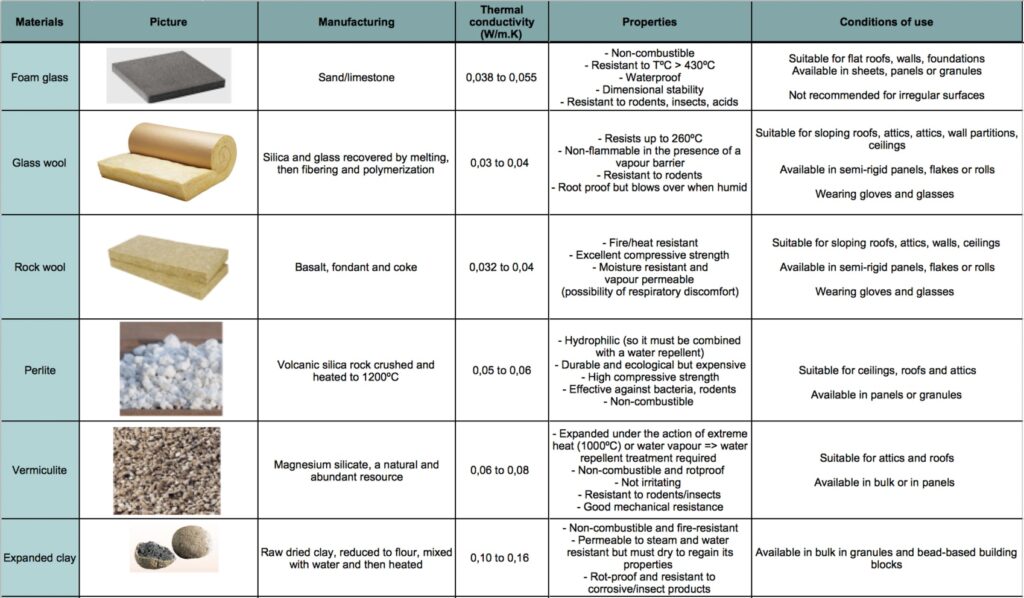
Types of Mineral Insulation Materials
There are several types of mineral insulation materials, each with its unique properties and applications. Some of the most common types include:
- Lana di Vetro: A type of glass wool that is widely used in building construction.
- Lana di Roccia: A natural fiber obtained from volcanic rock, known for its thermal insulation properties.
- Argilla Espansa: A type of expanded clay that is often used as a filler material in insulation products.
- Perlite Espansa: A type of expanded perlite that is widely used in construction and insulation applications.
- Vermiculite Espansa: A type of expanded vermiculite that is known for its thermal insulation properties.
Properties and Benefits
Mineral insulation materials have several key properties that make them an attractive choice for building construction. These include:
- Thermal Insulation: Mineral insulation materials are effective at reducing heat transfer, making them ideal for energy-efficient buildings.
- Durability: Many mineral insulation materials are resistant to moisture and humidity, making them suitable for use in humid environments.
- Sustainability: Mineral insulation materials are natural and renewable, making them a more sustainable choice than synthetic insulation materials.
Applications
Mineral insulation materials can be used in a variety of applications, including:
- Building Construction: Mineral insulation materials can be used to insulate walls, floors, and ceilings.
- Roofing: Mineral insulation materials can be used to insulate roofs and reduce energy losses.
- Insulation Products: Mineral insulation materials can be used to make a range of insulation products, including batts, blankets, and boards.
Comparison with Synthetic Insulation Materials
While synthetic insulation materials have their own advantages, mineral insulation materials offer several key benefits. These include:
- Natural and Renewable: Mineral insulation materials are natural and renewable, making them a more sustainable choice.
- Long-Lasting: Many mineral insulation materials are resistant to moisture and humidity, making them suitable for use in humid environments.
- Low Maintenance: Mineral insulation materials require minimal maintenance, reducing the risk of damage or degradation.
Types of Building Materials Using Mineral Insulation
Mineral insulation can be used in a variety of building materials. Some examples include:
- Concrete: Mineral insulation can be added to concrete to improve its thermal mass and reduce heat transfer.
- Bricks: Mineral insulation can be used as an additive to bricks to improve their thermal performance.
- Ceramic: Mineral insulation can be used in ceramic products, such as tiles and cookware.
How is Mineral Insulation Used in Different Regions?
Mineral insulation materials are widely used across different regions. In some cases, they have become a standard component of building construction. For example:
- North America: Mineral insulation has been widely adopted in North America for its energy efficiency benefits.
- Europe: European countries such as Germany and Sweden have implemented large-scale use of mineral insulation to reduce energy consumption.
- Asia Pacific: Countries such as Australia and New Zealand are increasingly adopting mineral insulation materials due to their sustainability credentials.
Mineral Insulation: A Long-Term Solution for Climate Change
The adoption of mineral insulation materials offers a long-term solution for climate change. By reducing energy consumption, we can decrease greenhouse gas emissions and help mitigate the impact of global warming.
What Does the Future Hold?
While mineral insulation has made significant strides in recent years, there is still much work to be done. The industry faces challenges related to cost, scalability, and regulation. As such, it’s essential that governments, industries, and individuals work together to support the widespread adoption of mineral insulation.
What Can You Do Today?
There are several ways you can contribute to the growth of the mineral insulation industry:
- Learn more: Stay up-to-date with the latest news and developments in the field.
- Choose sustainable options: Make informed decisions about the products you use, choosing mineral insulation materials whenever possible.
- Support policy change: Advocate for policies that promote the adoption of mineral insulation in your community.
Conclusion
Mineral insulation offers a natural, renewable, and recyclable solution for energy efficiency. With its unique properties and benefits, it’s an attractive choice for building construction and insulation applications. As we continue to grapple with the challenges of climate change, it’s essential that we explore innovative solutions like mineral insulation.
FAQs
- What is mineral insulation?
- What types of mineral insulation materials are available?
- How do mineral insulation materials compare to synthetic insulation materials?
- What are the applications for mineral insulation materials?
- Why are mineral insulation materials a sustainable choice?
- What are the benefits of using mineral insulation in building construction?
- How can I use mineral insulation materials effectively?
- Are there any limitations or drawbacks to using mineral insulation materials?


