
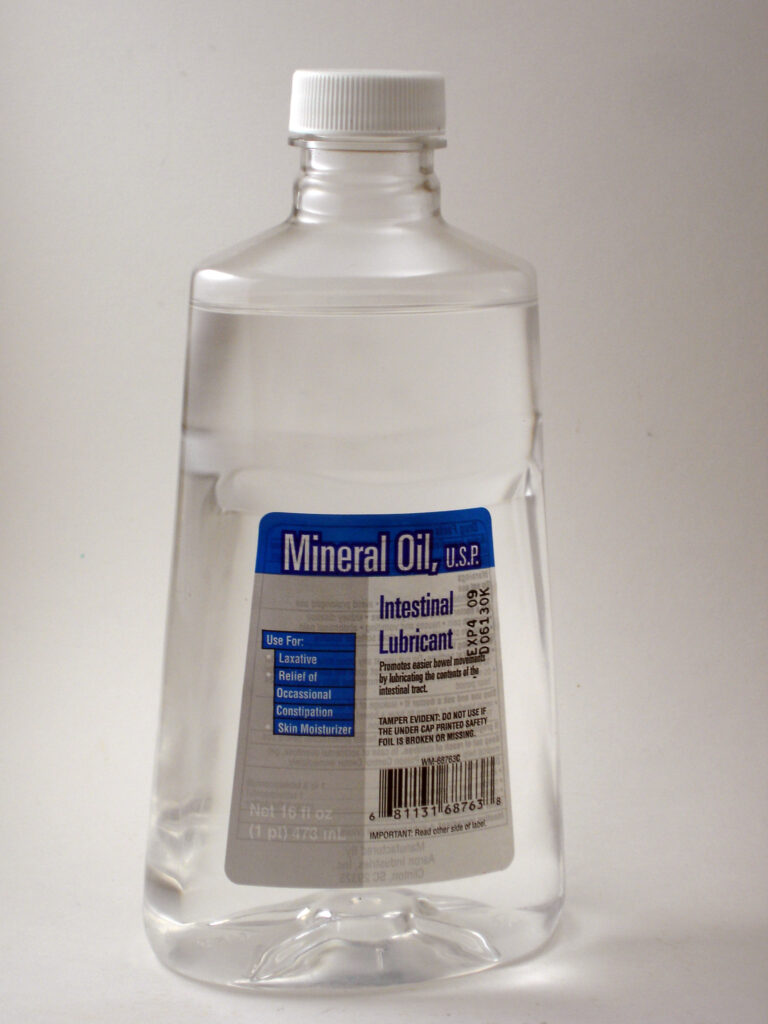
In the world of agriculture, mineral oil is a versatile product that serves multiple purposes. This article will delve into the properties and uses of mineral oil for plants, its effectiveness as an insecticide, and how to prepare it at home.
What is Mineral Oil?
Mineral oil is used as a broad-spectrum insecticide. It is derived from the fractional distillation of crude petroleum and can be compared to paraffine (synthetic cere). Like paraffine, mineral oil belongs to the aliphatic hydrocarbons with high molecular weight.
The History of Mineral Oil
Mineral oil has been used for centuries in various applications, including as a lubricant, waterproofing agent, and even as a hair treatment. Its versatility and efficacy led to its widespread use in agriculture, where it was first introduced as an insecticide in the late 19th century.
Mineral Oil: Not Just for Agriculture
While mineral oil is widely used in agriculture, it also has other uses such as a detergent, diluent, solvent, cleaning agent, and anti-rust agent. Its applications extend beyond the agricultural industry, making it a valuable resource in various sectors. If you’re interested in learning more about its applications, we recommend checking out our article on “Petrolio Bianco: A Cosa Serve.”
Mineral Oil as an Insecticide
Mineral oil acts both as an insecticide and a plant toxin. The plant toxicity is expressed through the penetration of the compound into plant tissues via capillary action.
In contrast, the insecticidal effect of mineral oil is due to the occlusion of tracheal spiracles, resulting in the death of insects from asphyxiation; essentially, this compound blocks the respiratory pathways of insects, causing them to suffocate.
When purchasing an insecticidal mineral oil, you can be assured that your plants are safe: generally, oils are either insecticides or plant toxins. Paraffines (mineral oils) with molecular weights below 280-290 units are insecticides, while those above 330 units are plant toxins.
The raffination process of mineral oil reduces its toxicity. Raffinization involves the distillation of petroleum fractions to reduce the plant toxicity of the oil. This process saturates double bonds through sulfonation, adding sulfuric acid.
Mineral Oil: Effective Against Certain Insects
Mineral oil is indicated for controlling insects that are less mobile with a pungent-sucking mouthpart, such as:
- Cocciniglie
- Afidi
- Young stages of Aleurodis (stati giovanili degli Aleurodi)
- Acari and aphids
White Mineral Oil: What is It?
When mineral oil is highly refined to be used primarily as an insecticide, it is referred to as white mineral oil or light oil. This type of oil has a latticinous white color (hence the term “white oil”). The higher volatility of mineral oil allows it to take effect on insects with less time on plant surfaces, reducing its ability to express plant toxicity.
White Mineral Oil: Effective Against Which Insects?
While the white mineral oil is less potent than the original mineral oil, its efficacy has been proven for treating and preventing infestations by:
- Afidi
- Cocciniglie
- Acari
- Defoliators and other parasites
Homemade Mineral Oil
This type of insecticide is called “oil blanco naturale” (white natural oil) and can be easily made at home using only two common ingredients. This pesticide is particularly popular in the United States and Australia due to its proven efficacy, ease of preparation, and minimal cost.
The homemade mineral oil recipe involves mixing a small amount of mineral oil with other readily available ingredients. The process is detailed in our article on “Insetticida Biologico Fai Da Te,” where you can learn how to prepare your own pesticide using natural ingredients.
Benefits of Homemade Mineral Oil
Homemade mineral oil offers several benefits, including:
- Cost-effective: Homemade pesticides are often cheaper than commercial products.
- Easy preparation: The recipe involves mixing two common ingredients with mineral oil, making it a simple and accessible option.
- Environmentally friendly: Natural ingredients used in homemade pesticide recipes minimize the environmental impact of traditional insecticides.
Where to Buy Mineral Oil
If the homemade recipe doesn’t meet your needs, you can purchase mineral oil from specialty stores or online retailers that sell agricultural products. You can find useful links on our website: “Olio Minerale su Amazon.”
Mineral Oil Safety Precautions
While mineral oil is generally safe for use on plants, it’s essential to follow proper application guidelines to ensure your plants’ safety:
- Use the correct concentration of mineral oil to avoid over-application.
- Avoid applying mineral oil during extreme weather conditions, such as high temperatures or heavy rain.
- Wear protective clothing and gloves when handling mineral oil.
FAQs
-
What is the difference between mineral oil and paraffine?
Mineral oil and paraffine are both derived from crude petroleum, but they have distinct properties and uses. -
Is mineral oil safe for use on plants?
Generally, mineral oil is either an insecticide or a plant toxin; always follow proper application guidelines to ensure your plants’ safety. -
How do I prepare the homemade mineral oil recipe?
The recipe involves mixing two common ingredients with mineral oil; for more information, refer to our article “Insecticide Biologico Fai Da Te.” -
What are some of the benefits of using a homemade pesticide?
Homemade pesticides are often cheaper and easier to prepare than commercial products. -
Where can I buy mineral oil?
Specialty stores or online retailers sell agricultural products that include mineral oil. -
Is white mineral oil more potent than regular mineral oil?
No, while it is less toxic and has a lower potency than the original mineral oil. -
What types of insects are effective against white mineral oil?
White mineral oil can be used effectively to control certain insects such as cocciniglie, afidi, acari, and parasites. -
Can I use homemade pesticide on all plants?
While most homemade pesticides are generally safe for use on plants, always follow proper application guidelines and consult with a gardening expert if you’re unsure.
Conclusion
Mineral oil is a versatile and effective product for plants, serving as both an insecticide and plant toxin. With its high reactivity and minimal cost, it’s no wonder why it remains a popular choice among gardeners. By understanding the properties and uses of mineral oil, you can make informed decisions about its application on your crops.
Recommendations
- Always follow proper application guidelines when using mineral oil to ensure your plants’ safety.
- Use homemade pesticide recipes with caution, as they may not be as effective as commercial products.
- Consider alternative pest control methods, such as integrated pest management (IPM) strategies, which incorporate multiple approaches to manage pests.
By embracing the benefits of mineral oil and other natural pesticides, you can create a healthier and more sustainable garden ecosystem.


