
Smoking is a habit that has been written about extensively, and opinions on the most effective methods vary widely. However, one thing is clear: smoking is highly detrimental to health, particularly when it comes to increasing the risk of developing lung cancer or throat cancer.
Quitting smoking is not an easy task, but it’s a battle that anyone can win. In this article, we’ll explore some of the most effective techniques for quitting smoking, backed by scientific evidence and expert opinions.
Understanding Why Smoking is So Hard to Quit
According to Dr. Anna Maria Sepe, a psychoanalyst and expert in hypnotherapy, “There are many factors that contribute to the development of smoking habits,” but ultimately, it’s about finding ways to cope with stress and emotions. Her approach to quitting smoking involves using hypnosis as a tool for overcoming nicotine addiction.
One reason why smoking is so hard to quit is because of its addictive nature. Nicotine is a highly potent stimulant that can activate the brain’s reward centers, leading to feelings of pleasure and relaxation. This can create a cycle of dependence, making it difficult for smokers to stop without some sort of assistance.
Another factor that contributes to the difficulty of quitting smoking is the physical withdrawal symptoms that occur when nicotine levels drop in the body. These symptoms can range from mild irritability and anxiety to more severe issues like chest pain and shortness of breath.
The Power of Auto-Analysis
One method for quitting smoking is through self-analysis, also known as autohypnosis. This technique involves associating the act of smoking with negative consequences and then replacing those habits with more positive ones. There are two phases to this process: one focused on identifying and challenging the addictive behaviors, and the other on cultivating a more positive mindset.
To get started, you’ll need a few simple tools:
- A piece of paper
- A pen or pencil
- Some calming music
- A quiet space to relax
During your self-analysis session, focus on:
- Writing down three people who have made a positive impact in your life and associate them with feelings of happiness and well-being.
- Identifying objects that bring you joy and writing them down as well.
- Creating a playlist of calming music to help you relax during this process.
After completing these exercises, it’s time to move on to the second phase: “liberatoria” or “inductive positive”. This involves visualizing a more peaceful and stress-free life without cigarettes.
Mindful Meditation
Another effective technique for quitting smoking is through mindful meditation. Mindfulness is a practice that focuses on being present in the moment, letting go of worries about the past or future. By cultivating mindfulness, you can learn to recognize the physical sensations associated with cravings and anxiety, and use them as opportunities to pause and reflect.
Here’s a simple mindfulness exercise you can try:
- Find a quiet space to sit comfortably, either on a chair or on the floor.
- Close your eyes and take a few deep breaths, focusing on the sensation of the air moving in and out of your body.
- Bring your attention to the sensations in your mouth and throat, noticing any tension or discomfort.
- As you exhale, imagine any stress or anxiety leaving your body, replaced by feelings of calmness and relaxation.
The Benefits of Acupuncture
Acupuncture is a traditional Chinese medicine technique that involves inserting small needles into specific points on the body to stimulate healing and balance. In the context of quitting smoking, acupuncture can be used to alleviate withdrawal symptoms and reduce cravings.
According to Dr. Sarah K. Searle, an acupuncturist and expert in smoking cessation, “Acupuncture can help reduce nicotine withdrawal symptoms by stimulating the release of endorphins, which are natural painkillers.”
To get started with acupuncture for quitting smoking, find a licensed practitioner who specializes in this area. You’ll need to schedule several sessions, typically spaced one week apart, to achieve optimal results.
Nicotine Replacement Therapy
Nicotine replacement therapy (NRT) is a medication that delivers nicotine through various delivery methods, such as gum, patches, or inhalers. NRT can help reduce withdrawal symptoms and cravings, making it an effective tool for quitting smoking.
However, NRT is not without its drawbacks. Some users may experience side effects like headaches or nausea, while others may find the delivery methods unpleasant or inconvenient.
Prescription Medications
Prescription medications are another option for quitting smoking. These medications work by reducing withdrawal symptoms and cravings, making it easier to stay on track with a quit plan.
According to Dr. Michael C. Johnson, a pulmonologist and expert in smoking cessation, “Prescription medications like bupropion (Zyban) or varenicline (Chantix) can be very effective for quitting smoking, especially when used in conjunction with other therapies.”
Here’s how prescription medications work:
- Bupropion: This medication works by blocking the nicotine receptors in the brain, reducing cravings and withdrawal symptoms.
- Varenicline: This medication works by blocking the nicotine receptors in the brain, as well as reducing the pleasurable effects of smoking.
The Importance of Support Systems
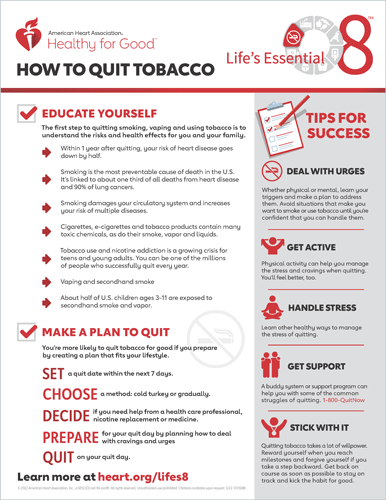
Quitting smoking is not a journey to be undertaken alone. Having a strong support system can make all the difference in achieving success and maintaining long-term results.
Here are some ways to build a supportive network:
- Join a quit-smoking support group, either in-person or online.
- Share your goals with friends and family members, asking them for their support and encouragement.
- Consider enlisting the help of a healthcare professional, such as a doctor or therapist.
Conclusion
Quitting smoking is not an easy task, but it’s a battle that anyone can win. By understanding why smoking is so hard to quit, using self-analysis and mindfulness techniques, trying acupuncture, taking nicotine replacement therapy, and having a strong support system, you’ll be well on your way to a healthier, happier life.
Don’t let nicotine addiction hold you back any longer. Take control of your health and your life today.


