
As a responsible cat owner, it’s natural to worry when your feline friend starts coughing. While coughs in cats are less common than in dogs, they can still be a significant concern, especially if they persist for more than a few days or are accompanied by other symptoms like starnoxis, red eyes, and difficulty breathing.
In this article, we’ll delve into the causes of coughs in cats, their diagnosis, and treatment options. We’ll also explore some natural remedies that may help alleviate your cat’s discomfort.
What is a Cough in Cats?
A cough in cats is the sudden expulsion of air from the lungs through the mouth. There are two types of coughs in cats: productive and non-productive. A productive cough involves the emission of mucus, fluid, or even blood, while a non-productive cough does not produce any mucus.
Causes of Coughs in Cats
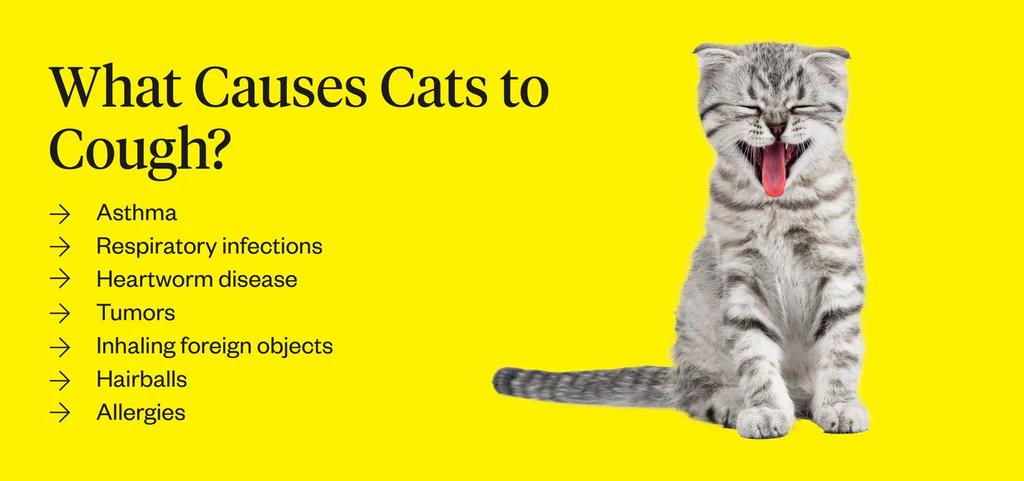
Coughs in cats can be caused by various factors, including:
- Allergies: Allergic reactions to environmental allergens like dust, pollen, or mold can cause coughing in cats.
- Infections: Viral or bacterial infections can lead to coughing in cats.
- Bronchitis: Chronic bronchitis is a common condition in cats that causes persistent coughing.
- Asma: Asma felina is a respiratory disorder that affects cats and can cause coughing.
- Parasites: Parasites like ticks, fleas, or worms can cause coughing in cats.
Some other potential causes of coughs in cats include:
- Foreign body aspiration: If your cat swallows something foreign, it can irritate the lungs and cause a cough.
- Heart disease: Heart failure can lead to fluid buildup in the lungs, causing coughing in cats.
- Obstruction of the airways: Tumors or other obstructions in the airways can cause coughing in cats.
- Chronic respiratory diseases: Conditions like chronic bronchitis and emphysema can cause persistent coughing in cats.
Diagnosis
If you suspect your cat has a cough, it’s essential to consult with a veterinarian. The diagnosis process typically involves the following steps:
- Physical examination: The veterinarian will perform a physical examination to assess your cat’s overall health and identify any signs of respiratory distress.
- Radiography: X-rays may be taken to rule out any underlying conditions that could be causing the cough.
- Lavaggi transtracheali: Lavages of the trachea can help identify any abnormalities or blockages in the airways.
- Bronchoscopy: In some cases, a bronchoscope may be used to visually inspect the lungs and airways.
Treatment
The treatment plan for your cat’s cough will depend on the underlying cause. Some common treatments include:
- Antibiotics: Antibiotics may be prescribed if an infection is diagnosed.
- Corticosteroids: Corticosteroids can help reduce inflammation in the airways and alleviate symptoms.
- Bronchodilators: Bronchodilators can help relax the muscles in the airways and improve breathing.
- Vermifugos: Vermifugs may be prescribed if parasites are identified as the cause of the cough.
Natural Remedies
While antibiotics, corticosteroids, and bronchodilators can provide relief from a cat’s cough, some natural remedies may also help alleviate symptoms. These include:
- Honey: Honey has antibacterial properties that can help soothe a sore throat and reduce inflammation.
- Ginger: Ginger has anti-inflammatory properties that can help reduce congestion and ease breathing.
- Echinacea: Echinacea is an herb that may help boost the immune system and fight off infections.
Other natural remedies that may be beneficial for cats with coughs include:
- Steam inhalation: Steam inhalation can help loosen mucus and reduce inflammation in the airways.
- Warm compresses: Warm compresses on the chest and face can help relieve congestion and ease breathing.
- Aromatherapy: Certain essential oils like eucalyptus and peppermint may help relax the muscles in the airways and improve breathing.
Conclusion
Coughs in cats can be caused by various factors, including allergies, infections, bronchitis, asthma, parasites, foreign body aspiration, heart disease, obstruction of the airways, and chronic respiratory diseases. A thorough diagnosis from a veterinarian is essential to determine the underlying cause of your cat’s cough. Treatment options include antibiotics, corticosteroids, bronchodilators, vermicides, honey, ginger, echinacea, steam inhalation, warm compresses, and aromatherapy.
Frequently Asked Questions
- Q: What are the signs of a cough in cats?
*A: The signs of a cough in cats may include starnoxis, red eyes, difficulty breathing, and vomiting. - Q: Can I treat my cat’s cough at home?
*A: While some natural remedies like honey and ginger may help alleviate symptoms, it’s always best to consult with a veterinarian for proper diagnosis and treatment. - Q: How often should I take my cat to the vet if they have a cough?
*A: If your cat has a persistent cough that lasts longer than 7-10 days or is accompanied by other symptoms, you should consult with a veterinarian as soon as possible.



