
Introduction
In the ancient traditions of the Inca people, Maca andina was revered as a gift from the gods. Today, we recognize its importance as a natural elixir that can enhance our overall well-being. This remarkable plant has been cultivated in the Andean regions of Peru and Bolivia for centuries, and its unique properties have made it a sought-after supplement globally.
What is Maca Andina?
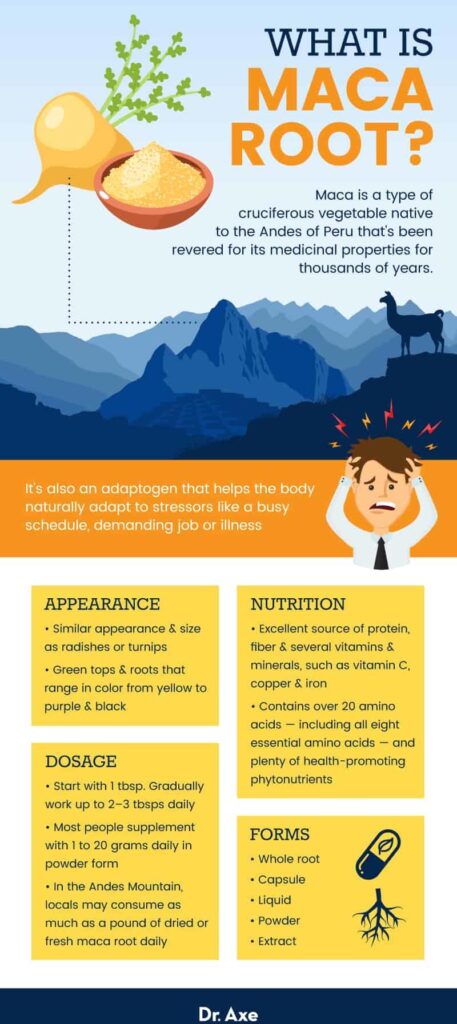
Maca andina, scientifically known as Lepidium meyenii, is a perennial herb belonging to the Brassicaceae family. Its tuberous root system is rich in essential nutrients, making it an excellent food source for humans. Native to the high-altitude regions of the Andes, this plant has adapted to withstand harsh environmental conditions, including strong winds, extreme temperatures, and poor soil quality.
Characteristics of Maca Andina
Maca andina is a small, herbaceous plant with rounded tubers, measuring up to 15 cm in diameter. The color can range from dark red to yellow, and the flowers are very small. The leaves are green, alternate, and grow on the branches of the stem.
Properties of Maca Andina
The rich nutrient profile of maca andina makes it an excellent food source for humans. It contains:
- Amino acids: essential for muscle growth and repair
- Vitamins: A, C, and B complex, important for immune function and energy production
- Minerals: calcium, iron, zinc, and potassium, crucial for maintaining strong bones, healthy blood cells, and proper hydration
- Carbohydrates: provide energy for the body
- Fatty acids: essential for hormone regulation and skin health
- Fibers: support digestive health
The high concentration of these nutrients makes maca andina an excellent food source for individuals with:
- Anemia
- Patologies del sistema nervioso (nervous system disorders)
- Sintomi influenzali (influenza-like symptoms)
Maca Andina as an Integrator
This natural supplement is highly recommended for athletes, as it can enhance their performance by:
- Reducing stress and fatigue
- Increasing energy levels
- Improving endurance and muscle mass
In addition to its athletic benefits, maca andina has been used traditionally to:
- Regulate menstrual cycles and reduce symptoms of premenstrual syndrome (PMS)
- Enhance fertility in both men and women
- Support immune function and overall well-being
Maca Andina for Fertility
The unique properties of maca andina have made it a popular natural remedy for enhancing fertility. Its effects on the reproductive system include:
- Stimulating follicle growth in women
- Increasing sperm count and motility in men
- Balancing hormonal levels, promoting overall well-being
Maca Andina and Hormonal Balance
Maca andina has been shown to have a positive effect on hormonal balance, particularly in relation to thyroid function. Its active compounds may help regulate T3 and T4 levels, which can lead to improved energy production and reduced symptoms of hypothyroidism.
Maca Andina and Thyroid Function
Research suggests that maca andina may have a beneficial effect on thyroid function by:
- Stimulating the release of thyroid hormones (T3 and T4)
- Regulating the hypothalamic-pituitary-thyroid axis
- Reducing symptoms of hypothyroidism, such as fatigue and weight gain
Maca Andina in Capsules: Where to Buy
If you’re interested in trying maca andina capsules, you can find them at specialty stores, pharmacies, or online retailers. A single serving should cost no more than 20 euros.
Precautions and Contraindications
While maca andina is generally considered safe, it’s essential to consult with your doctor before using it as a supplement. In rare cases, it may interact with certain medications or exacerbate underlying health conditions.
Conclusion
Maca andina is a natural wonder that has been cherished by the Inca people for centuries. Its unique properties make it an excellent supplement for enhancing overall well-being, fertility, and athletic performance. As you consider incorporating maca andina into your lifestyle, remember to consult with your doctor and start with a low dose to ensure optimal results.
Frequently Asked Questions
- What is the recommended dosage of Maca Andina?
The recommended dosage varies depending on individual needs, but a typical serving size is 500-1000 mg per day. - Can I take Maca Andina with other supplements?
Consult your doctor before combining maca andina with other medications or supplements. - How long does it take to notice the effects of Maca Andina?
Results may vary, but some users report noticeable improvements within 1-3 months. - Is Maca Andina safe for pregnant women?
Consult your doctor before using maca andina during pregnancy, as its effects on fetal development are not well-studied. - Can I take Maca Andina with other medications?
Consult your doctor before taking maca andina with blood thinners or medications that interact with hormonal levels. - What is the best way to store Maca Andina capsules?
Keep them in a cool, dry place, away from direct sunlight and moisture. - Can I grow my own Maca Andina plant?
Yes, but it’s challenging due to its specific climate requirements and soil conditions. - Is Maca Andina regulated by the FDA?
Maca andina is not regulated by the FDA as a dietary supplement, but it is considered a food item and subject to labeling regulations.
The Science Behind Maca Andina
Research on maca andina has been conducted in various laboratories and clinical trials. While more studies are needed to fully understand its effects on human health, some promising findings include:
- Antioxidant properties: Maca andina contains antioxidants that can help protect against oxidative stress and inflammation.
- Hormone regulation: The plant’s active compounds may help regulate hormonal balance, particularly in relation to thyroid function.
- Neuroprotective effects: Some research suggests that maca andina may have neuroprotective effects, potentially reducing the risk of age-related cognitive decline.
Modern Applications of Maca Andina
Beyond its traditional uses, maca andina is being explored for various modern applications, including:
- Nutritional supplements: Maca andina is being used as a natural supplement to enhance athletic performance, improve fertility, and support overall well-being.
- Cosmetic products: The plant’s antioxidant and anti-inflammatory properties make it an attractive ingredient for cosmetic products, such as skin creams and hair care products.
- Pharmaceuticals: Research is ongoing to develop pharmaceutical applications of maca andina, including potential treatments for thyroid disorders and age-related cognitive decline.
Conclusion
Maca andina is a remarkable plant with a rich history and diverse properties. Its unique characteristics make it an excellent natural elixir for enhancing overall well-being, fertility, and athletic performance. As we continue to explore its applications, we may uncover even more exciting uses for this ancient Peruvian plant.


