
As we explore the vast world of herbal medicine, it’s essential to delve into the properties and benefits of lesser-known plants like Asperula. This perennial herb, also known as Asperula or Stellina Odorosa, has been used for centuries in traditional medicine and has a multitude of applications.
What is Asperula?
Asperula odorata is a member of the Rubiaceae family and is native to Europe and Asia. It’s an erect herb that can grow up to 30 centimeters (12 inches) in height, making it a versatile addition to any herbal garden or medicine cabinet.
Physical Characteristics
One of the distinctive features of Asperula is its quadrangular stem section, covered in fine hairs that form a tuft under its verticils. The leaves are lance-shaped and dark green, with 6-8 lobes, forming a star-like pattern with 8 or 6 points. This unique shape allows Asperula to absorb sunlight efficiently, making it an ideal herb for medicinal purposes.
Properties and Uses
Asperula contains a range of compounds that contribute to its various uses:
- Lipids: These are essential fatty acids that support skin health and immune function.
- Vitamin C (in the leaves): Asperula is an excellent source of vitamin C, which plays a crucial role in immune function and collagen production.
- Cumarines: These compounds have anti-inflammatory properties and are used to treat various health issues, including respiratory problems.
- Asperuloside: This compound has been shown to exhibit antimicrobial and antifungal activities, making it effective against a range of infections.
- Tannins: Asperula contains tannins, which have astringent properties that can help treat digestive issues.
- Antrachinones: These compounds have anti-inflammatory effects and are used to treat conditions like arthritis.
- Flavonoids: Flavonoids have antioxidant properties that protect against oxidative stress and inflammation.
- Nicotine: Asperula contains nicotine, which has been used in traditional medicine to treat various health issues.
Preparation Methods
Asperula can be prepared in various ways to unlock its medicinal properties:
- Infusions: Steep fresh or dried leaves in hot water to create a tea-like infusion.
- Decoctions: Boil the roots or stems in water to extract their medicinal properties.
- Powders: Dry and powder Asperula leaves, flowers, or stems for use in cooking or as a supplement.
Medicinal Properties
Asperula has been traditionally used for:
- Digestive issues: The tannins in Asperula help treat digestive problems like diarrhea, constipation, and ulcers.
- Nervous system problems: The flavonoids and coumarines in Asperula have anti-inflammatory effects that can alleviate anxiety and stress.
- Skin conditions (e.g., rosacea): Asperula’s antioxidant properties help soothe skin irritations like acne, eczema, and rosacea.
- Kidney stones and urinary tract infections: The flavonoids in Asperula have antibacterial properties that can treat UTIs and prevent kidney stone formation.
- Menstrual issues: Asperula’s tannins help regulate menstrual cycles and alleviate symptoms like cramps, bloating, and mood swings.
- Headaches: Asperula’s flavonoids and coumarines have anti-inflammatory effects that can treat headaches and migraines.
However, it’s essential to note that Asperula can interact with certain medications and should be used under medical supervision.
Benefits of Tisanes
Asperula is often combined with other herbs in tisanes for its various health benefits. For example, a combination of Asperula, Rosemary, Lavender, and Melissa has been shown to alleviate headaches.
To prepare the tisana, use 40 grams of fresh Asperula, 30 grams of dried rosemary, 10 grams of dried lavender, and 20 grams of dried melissa. Steep for 10 minutes in a liter of boiling water, then filter.
Grappa Production
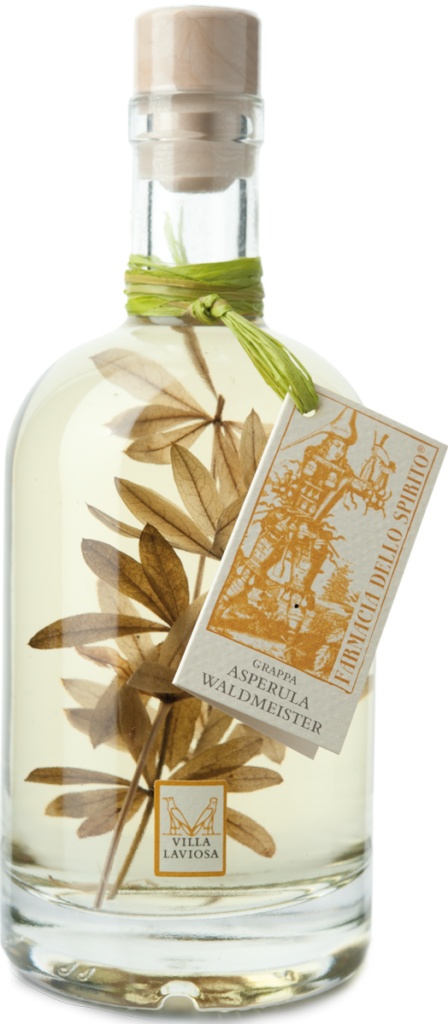
Asperula can be used to make grappa by infusing it in grape brandy. Simply add a few sprigs of fresh Asperula to a liter of grappa and let it sit for two weeks. After two months, the grappa is ready to drink.
This natural remedy has digestive benefits and can be enjoyed as a pure shot or diluted with water, sugar, and lemon juice.
Conclusion
Asperula, also known as Stellina Odorosa, is an underappreciated herb that offers a multitude of health benefits. Its unique properties and uses make it an excellent addition to any herbal medicine cabinet. Whether consumed as a tea, added to food and drinks, or used in tisanes and grappa production, Asperula’s power can be unlocked and enjoyed.
Stay tuned for more content on herbal remedies and health tips!


