
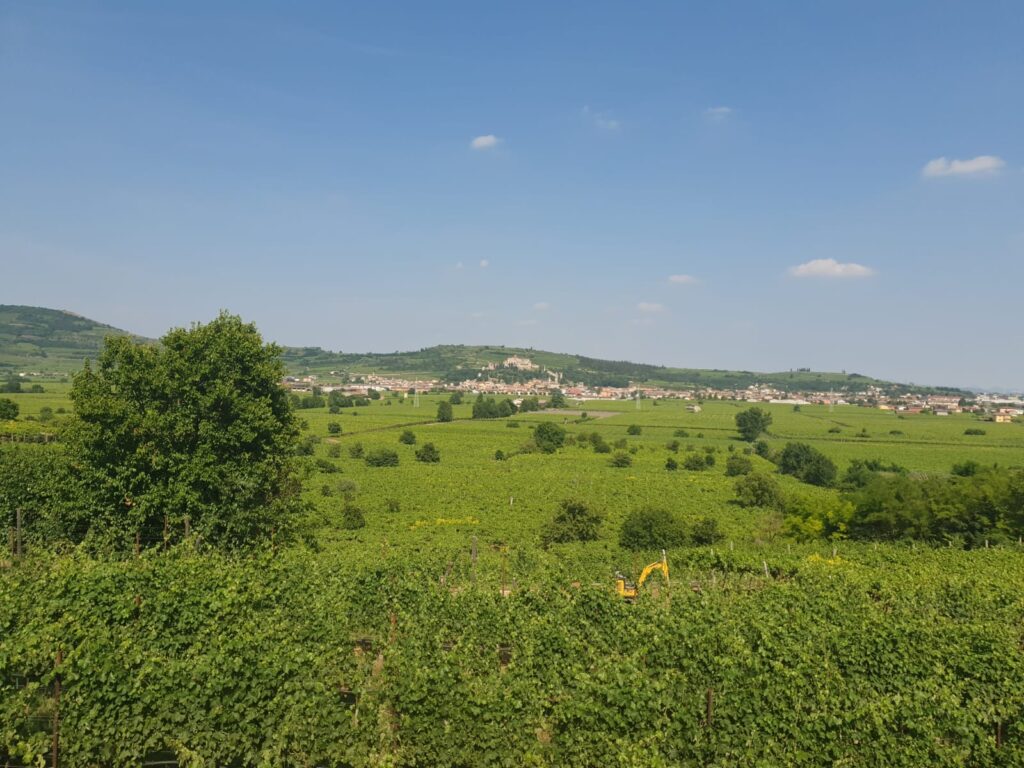
As we navigate the complexities of modern life, it’s easy to get lost in the nuances of a topic that seems simple on the surface but is actually multifaceted and deeply rooted in culture and history. The case in point is the Italian “Italy del biologico,” or organic food movement. To gain a deeper understanding of this phenomenon, we must delve into its past, present, and future, as well as explore its various facets.
Introduction
The Italy del Biologico: A Phenomenon of Today and Yesterday
Written by Roberta Paltrinieri and Stefano Spillare, authors with expertise in the fields of advanced consumer studies and sociology of consumption, this book provides a comprehensive analysis of the Italian organic food movement. Through their collaborative efforts, they shed light on the past, present, and future of the sector, highlighting its potential to contribute to sustainable development.
The Origins of the Italy del Biologico
Uncovering the History of Organic Food in Italy
To grasp the magnitude of the Italy del biologico phenomenon, it’s essential to understand how it evolved over time. From its humble beginnings as a niche market to its current success story, this movement has undergone significant transformations. By examining historical data and trends, we can gain insight into the key drivers behind its growth.
The history of organic food in Italy dates back to the 1960s, when the first organic farms were established in the country. At that time, the concept of organic farming was still relatively unknown, and it was largely seen as a fringe movement. However, as awareness about the benefits of organic produce grew, so did the demand for organic products.
In the 1980s, Italy witnessed a significant increase in the production of organic food, with many farmers adopting sustainable practices to improve soil fertility and reduce chemical use. This shift towards organic farming was driven by concerns about environmental degradation, health risks associated with pesticide use, and the desire to promote biodiversity.
The Rise of Organic Food in Italy
Understanding the Numbers Behind the Movement
The numbers tell a compelling story about the increasing popularity of organic food in Italy. With over 40% of the population choosing to buy organic products, this movement has become an integral part of Italian culture. But what’s driving these choices? Is it simply a matter of taste or is there something more profound at play?
One key driver behind the growth of organic food in Italy is the increasing awareness about the environmental impact of agricultural practices. As consumers become more conscious about their carbon footprint and the effects of pollution on their health, they are turning to organic products as a way to make more sustainable choices.
Another factor contributing to the rise of organic food in Italy is the growing demand for high-quality, locally produced products. With an aging population and a strong emphasis on regional cuisine, consumers are seeking out fresh, artisanal foods that reflect the unique characteristics of their local communities.
The Social and Anthropological Aspects of Organic Food
Exploring the Human Side of the Movement
Organic food is not just about produce; it’s also about relationships, meanings, and identities. The Italy del biologico movement highlights the importance of these social and anthropological aspects, demonstrating how they contribute to our overall well-being.
For many Italians, organic food is closely tied to family traditions, cultural heritage, and community ties. By choosing organic products, consumers are supporting local farmers and contributing to the preservation of traditional practices that have been passed down through generations.
Furthermore, the Italy del biologico movement has also become a catalyst for social change, as consumers increasingly demand more sustainable, equitable, and just food systems. This growing awareness about the impact of agricultural practices on society is driving innovation and change in the sector.
New Challenges and Opportunities
Looking to the Future: Overcoming Obstacles and Seizing Opportunities
As the Italy del biologico movement continues to grow, it must also address emerging challenges. By examining the current state of organic food production, processing, and distribution, we can identify areas for improvement and explore new opportunities.
One significant challenge facing the sector is ensuring quality control, as the increasing demand for organic products has led to concerns about adulteration and contamination. To address this issue, regulatory bodies are working closely with farmers, processors, and distributors to establish strict standards for labeling and testing.
Another area of focus is reducing costs, as many consumers remain hesitant to adopt organic foods due to their perceived higher prices. However, by exploring new production methods and improving supply chain efficiency, the sector can reduce costs without compromising on quality or environmental sustainability.
Sustainable Development and Climate Change
The Role of Organic Food in Addressing Climate Change
Organic food has the potential to play a crucial role in addressing climate change by promoting sustainable agriculture practices. By examining the current state of organic farming, we can gain insight into its contribution to mitigating environmental degradation.
One key strategy for reducing greenhouse gas emissions is the adoption of agroforestry practices, which combine tree cultivation with agricultural production. This approach not only sequesters carbon but also promotes biodiversity and ecosystem services.
Another area of focus is improving soil health through organic amendments and conservation tillage. By enhancing soil fertility and structure, farmers can reduce synthetic fertilizer use, lower water consumption, and promote more resilient ecosystems.
Conclusion
A Call to Action: Embracing the Potential of Organic Food
As we conclude our exploration of the Italy del biologico phenomenon, it’s clear that this movement holds immense potential for positive change. By embracing the principles of organic food and sustainable development, we can create a more equitable and environmentally conscious society.
To achieve this goal, policymakers must continue to support innovation and investment in the sector, while also promoting public awareness and education about the benefits of organic food. Consumers, too, have a critical role to play by making informed choices about their diet and advocating for policies that promote sustainable agriculture practices.
As we look to the future, it’s clear that the Italy del biologico movement will continue to evolve and adapt in response to emerging challenges and opportunities. By working together, we can build a more resilient, equitable, and sustainable food system that benefits both people and the planet.
Frequently Asked Questions
- What is the Italy del biologico movement?
The Italy del biologico movement refers to the growing trend of choosing organic food in Italy. - Why did the movement emerge?
The movement emerged as a response to concerns about environmental degradation, health risks associated with pesticide use, and the desire to promote biodiversity. - How has the movement evolved over time?
The movement has undergone significant transformations from its humble beginnings to its current success story. - What are the key drivers behind the growth of organic food in Italy?
Key drivers include increased consumer awareness, government support, and growing demand for sustainable products. - What is the potential impact of organic food on climate change?
Organic food has the potential to contribute significantly to mitigating environmental degradation and addressing climate change. - How can individuals get involved in promoting sustainable agriculture practices?
Individuals can make informed choices about their diet, support local farmers, and advocate for policies that promote sustainable development. - What are some of the challenges facing the Italy del biologico movement today?
Challenges include ensuring quality control, reducing costs, and addressing consumer concerns about taste and convenience. - How can governments support the growth of organic food in Italy?
Governments can provide incentives for farmers to adopt sustainable practices, invest in research and development, and create policies that promote organic food production.
By exploring the complexities of the Italy del biologico phenomenon, we hope to inspire a new wave of interest in sustainable agriculture and organic food. Join us on this journey as we uncover the secrets behind the movement’s success and explore its potential to shape a more equitable and environmentally conscious future.


