
Understanding the Importance of Thermostatic Valves in Condominiums with Central Heating
The European Union’s Directive on Energy Efficiency, known as Ue 2012/27, has made it mandatory for condominiums with central heating systems to install thermostatic valves. This article aims to explain how these valves work, their benefits, and provide guidance on installing them correctly.
The Deadline for Installation: A Countdown Begins
As of December 31st, 2016, the deadline for installing thermostatic valves in all condominiums with central heating systems was set. However, for regions like Piemonte and Lombardia, which had already complied with the regulations by 2014, the deadline has passed.
The Exemption: A Way Out
While the installation of thermostatic valves is mandatory, there are exemptions available. Condominiums with outdated termosifoni or those where the cost of upgrading the heating system exceeds a certain threshold (yet to be disclosed) can apply for an exemption.
Thermostatic Valves and Fiscally Beneficial Benefits
Installing thermostatic valves is not just about saving money; it also has environmental benefits. These valves regulate temperature efficiently, reducing energy consumption by up to 10%. Moreover, condominiums with these valves can enjoy a fiscal benefit of up to 55% of the installation cost.
How Thermostatic Valves Work: Understanding the Basics
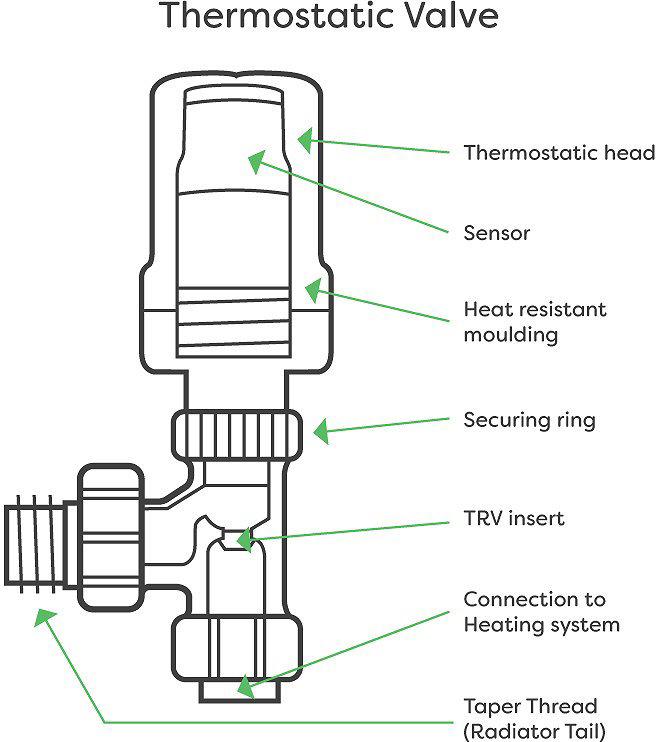
Thermostatic valves serve two primary purposes: regulating temperature and reducing energy waste. By adjusting the valve position, you can optimize heat emission from radiators, ensuring each room has its ideal temperature. However, it’s crucial to note that sensors in these valves can be affected by dust or water coverage, leading to inaccurate readings.
Tips for Using Thermostatic Valves Effectively
- Avoid covering calorifiers with curtains, shelves, or wet clothes.
- When you leave your home, close the valve partially or use a smart thermostat to avoid wasting energy.
- If your heating system is old, consider installing a new one.
Installing Thermostatic Valves: A Step-by-Step Guide
If your heating system is not too outdated, you can install thermostatic valves yourself. However, for complex systems, it’s recommended to hire a professional.
The Cost of Thermostatic Valves: Pricing and Options
Prices vary depending on the model and features. Basic graduate valves cost around €7 each, while more advanced models with displays or finiture come at a higher price.
Choosing the Right Thermostat Valve for Your Needs
When selecting a thermostatic valve, consider factors like energy efficiency, price, and features. There are different types of valves available, including:
- Graduated valves: These are basic, affordable options that can be installed in most heating systems.
- Digital valves: These models feature displays and can provide more precise temperature control.
- Smart valves: These advanced models can be controlled remotely using smartphones or tablets.
Common Types of Thermostatic Valves
- Zone controllers: These valves allow you to control different areas of your home independently, ensuring optimal heating and cooling in each zone.
- Preset valves: These valves come with pre-set temperature settings, making it easy to maintain a comfortable temperature in your home.
- Programmable valves: These advanced models can be programmed to follow specific schedules or routines, optimizing energy usage.
Thermostatic Valves and Energy Efficiency
Installing thermostatic valves is an excellent way to improve the efficiency of your heating system. By regulating temperature and reducing energy waste, these valves help lower your utility bills and minimize your environmental impact.
The Environmental Benefits of Thermostatic Valves
While the primary focus of thermostatic valves is on energy efficiency, they also have a positive impact on the environment. By reducing energy consumption, these valves help decrease greenhouse gas emissions and contribute to a more sustainable future.
Thermostatic Valves in Commercial Buildings
In addition to residential buildings, thermostatic valves are also used in commercial settings, such as offices and shopping centers. These valves help optimize energy usage, reduce costs, and improve employee comfort levels.
Conclusion: Embracing the Future of Heating with Thermostatic Valves
As we move forward, it’s essential to adopt energy-efficient solutions like thermostatic valves. Not only do they save money and reduce waste, but they also provide comfort and convenience. By understanding how these valves work and using them correctly, you can enjoy a more sustainable heating system.
Frequently Asked Questions (FAQs)
- What is the deadline for installing thermostatic valves in condominiums with central heating systems?
- December 31st, 2016.
- Can I install thermostatic valves myself if my heating system is outdated?
- No, it’s recommended to hire a professional.
- How much can I save by using thermostatic valves?
- Up to 10%.
- Are there any fiscal benefits available for condominiums with thermostatic valves?
- Yes, up to 55% of the installation cost can be claimed as a deduction.
- Can I use thermostatic valves with older heating systems?
- It’s recommended to upgrade your system first.
- How do I choose the right thermostat valve for my needs?
- Consider factors like energy efficiency, price, and features when selecting a model.
By understanding the benefits of thermostatic valves and following these guidelines, you can master the art of using them effectively in your condominium’s heating system.


